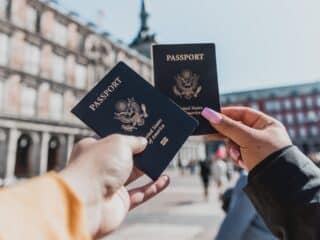
If you grew up in a moderate or cool climate like North America or most parts of Europe, heading to a tropical or sub-tropical locale can seem exotic and enticing. However, once you get there, you may quickly realize that you’re not quite used to the heat! Suffering in uncomfortable temperatures can put a real damper on your vacation, so here are some quick tips on staying healthy and happy if you’re about to embark on a hot vacation.
Always Have Water
Dehydration can be extremely dangerous, especially when you’re sweating more than usual in the heat. Always, always have a water bottle. In fact, bring more water than you think you need. Just in case.
If you anticipate doing strenuous activities like hiking or swimming, consider drinking something with electrolytes, such as a low-sugar sports drink. If you’re hiking in the wilderness, do not drink water from rivers and streams. Bring water purification devices or tablets with you if you think you may run out of water.
Bring Enough Emergency Medication
Good medicine to have while traveling include: motion sickness pills, antihistamines (the non-drowsy kind!), and over-the-counter painkillers (heat may give some folks headaches).
If you take prescription medication, bring more than enough with you. It may be tempting to refill your prescription abroad because many countries have significantly lower drug prices than the U.S.A., but navigating a foreign health-care system can mean ending up with low-quality or counterfeit drugs.
Instead, if you want to save on medicine, buy from an online Canada drug center like Canadian Med Center before you leave. Canadian Med Center only sources medicine from licensed pharmacies and fulfilment center that have been approved by their countries’ regulatory bodies.
Dress Loose, Light, and Layered
Mornings can be blissfully cool and afternoons blisteringly hot. The smartest way to handle a flip-flop of temperatures is to dress in layers. Cut-off pants, light windbreakers, and hats are good choices. Bring a big enough backpack to stash your stuff throughout the day. It’s also worth mentioning that some places love blasting the AC indoors. This means bringing a light jacket with you can come in handy.
The CDC recommends light-colored and loose-fitting clothing. Dark colors absorb heat while light colors reflect heat, so put on a white shirt.
Getting burned is no fun, nor is the risk of developing skin cancer. To protect yourself from the dangers of sun exposure, do the following:
Wear light-colored clothing
Use sunscreen and sunglasses that block both UVA and UVB rays — look at labels for features such as “broad spectrum”
For best results, apply sunscreen 20 minutes before exposure and re-apply every two hours
Buy sunscreen with an SPF rating of 15 or higher
It’s also worth mentioning that harmful sun exposure is not limited to tropical climates. You should also wear sun protection when going skiing and sailing because sunlight can reflect strongly off snow, sand, and water.
Know the Signs of Heatstroke
Heatstroke is a medical emergency. Find help immediately if you suspect it.
A person may be in danger of heatstroke if they exhibit the following symptoms:
Lack of consciousness
Convulsions
Difficulty breathing and a fast pulse
Heavy sweating, or sweating that may have stopped
Anxiety or confusion
Vomiting or having diarrhea
If you see someone with any or all of these symptoms, move the person to a cooler location and hydrate them if they are able to swallow. However, do not give the person acetaminophen or aspirin as this can be dangerous.
Be Cautious around Cold Drinks
When you’re hot, sweaty, and thirsty, you may be strongly tempted to grab the nearest smoothie off the nearest food stall. However, use caution when it comes to consuming cold drinks in certain places. Unfortunately, many areas in the tropics have sub-par sanitation, and cold drinks may be dangerous. Hepatitis A may also be transmitted through contaminated ice cubes.
Always have water with you, and if necessary, buy bottled or canned drinks.
Exercise Smart
Tropical areas are fantastic places for sports like hiking, windsurfing, swimming, and more. If you plan to do strenuous activity, try to schedule it during cooler times of the day, such as the early morning. The CDC also recommends adjusting your body to exercising in heat by being active an hour a day in the heat before you leave for vacation. Retreat to the shade if you’re overheating —the difference in temperatures can be extreme between direct sunlight and shade.
Use Common Sense
Using common sense may seem obvious, but travelers get into bad situations every year due to being overconfident or not knowing the environment. If you are not used to heat and extreme environments like jungles and oceans, do not overestimate your abilities, even if you’re young, healthy, and athletic.
Tropical areas harbor diseases like malaria, typhoid, and yellow fever that people from colder climates have no immunity against. Get the appropriate vaccinations beforehand and buy travel insurance in case of an accident. Air-lifting to a hospital is not cheap! Also wear bug spray (apply it after you apply sunscreen) because bug-borne diseases in tropical areas like West Nile can be nasty.
Lastly, stay informed. The CDC offers updates and alerts on disease outbreaks, along with guidelines on traveling to certain countries. Be prepared and enjoy safe travels!
The Healthy Voyager, aka Carolyn Scott-Hamilton, is the creator and host of The Healthy Voyager series, site, and overall brand. An award winning healthy, special diet and green living and travel expert, holistic nutritionist, plant based vegan chef, best-selling cookbook author, media spokesperson, sought after speaker, consultant and television personality, Carolyn Scott-Hamilton is a respected figure in the world of healthy lifestyle and travel as well as special diet cooking and nutrition. The Healthy Voyager aims to help people live well, one veggie at a time!
This website uses cookies to improve your experience. We'll assume you're ok with this, but you can opt-out if you wish.AcceptRead More
Privacy & Cookies Policy
Privacy Overview
This website uses cookies to improve your experience while you navigate through the website. Out of these, the cookies that are categorized as necessary are stored on your browser as they are essential for the working of basic functionalities of the website. We also use third-party cookies that help us analyze and understand how you use this website. These cookies will be stored in your browser only with your consent. You also have the option to opt-out of these cookies. But opting out of some of these cookies may affect your browsing experience.
Necessary cookies are absolutely essential for the website to function properly. This category only includes cookies that ensures basic functionalities and security features of the website. These cookies do not store any personal information.
Any cookies that may not be particularly necessary for the website to function and is used specifically to collect user personal data via analytics, ads, other embedded contents are termed as non-necessary cookies. It is mandatory to procure user consent prior to running these cookies on your website.

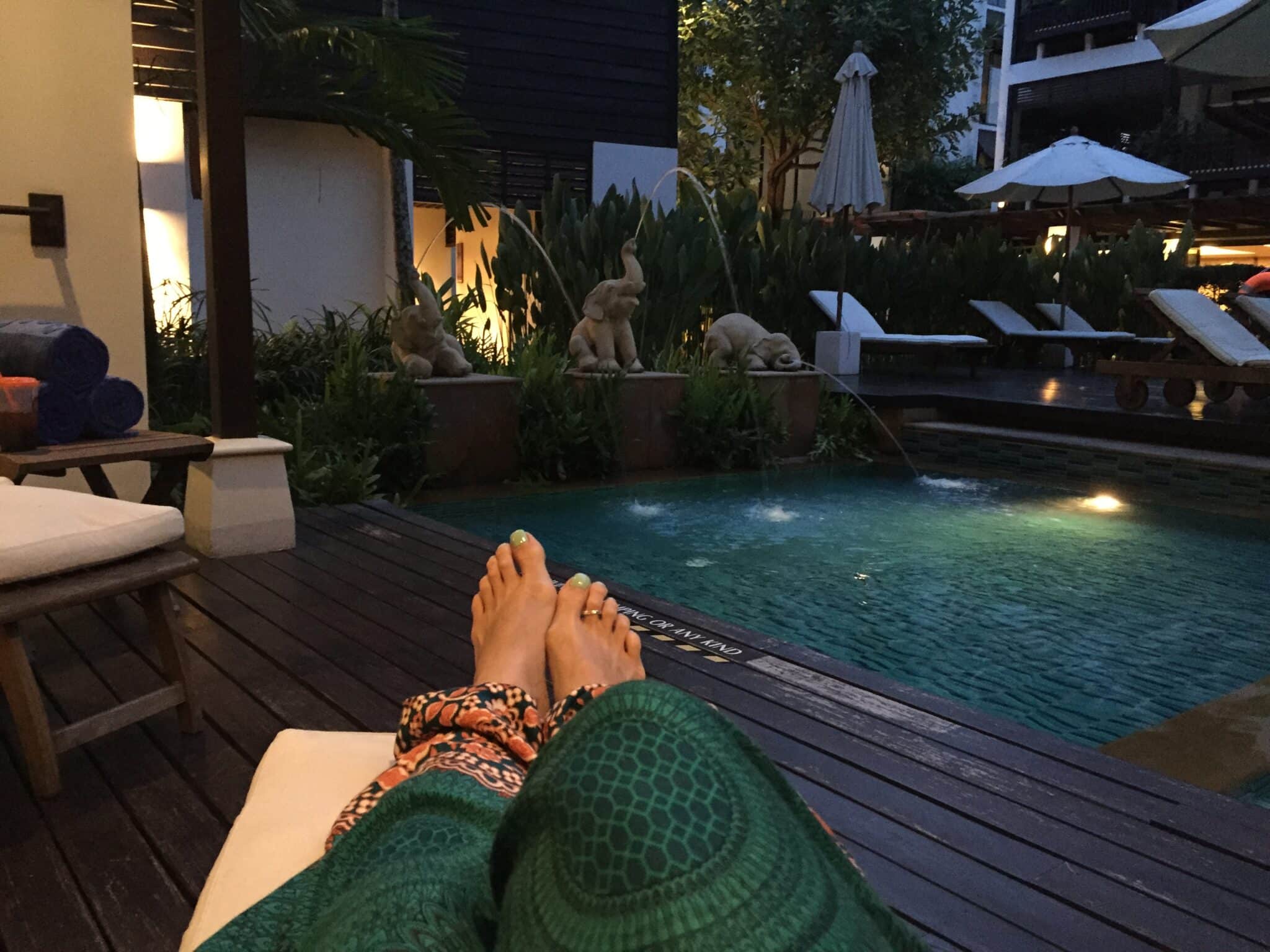 If you grew up in a moderate or cool climate like North America or most parts of Europe, heading to a tropical or sub-tropical locale can seem exotic and enticing. However, once you get there, you may quickly realize that you’re not quite used to the heat! Suffering in uncomfortable temperatures can put a real damper on your vacation, so here are some quick tips on staying healthy and happy if you’re about to embark on a hot vacation.