
 In today’s world, many individuals are at risk of developing mental health problems due to a variety of reasons. In fact, according to the World Health Organization (WHO), depression is one of the leading causes of disability while suicide is the second leading cause of death among people in the 15-29 age bracket.
Additionally, in an ever-increasing fast-paced world and a looming pandemic, mental health problems are on the rise. However, the good news is that many of these conditions are treatable and manageable with the right kind of care and timely intervention.
In this regard, one of the most brilliant innovations for solving the global mental health crisis has been the introduction of virtual reality therapy. VR has effectively transformed the way both patients and doctors view and conceptualize healthcare across the world. It is a ground-breaking technology that has been hailed for its vast potential in treating mental health issues.
This article explores everything you need to know about how virtual reality therapy can help your mental health so that you can decide if this is a good option for you.
What Is Virtual Reality Therapy?
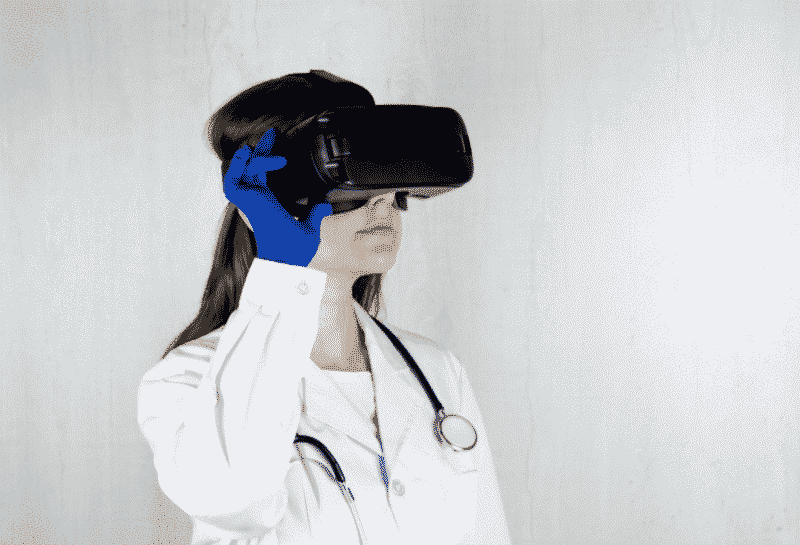
Virtual reality therapy, commonly referred to as VR therapy, is a type of telehealth offering that provides virtual therapy through a VR headset. The entire experience is guided by licensed mental health professionals to treat a range of mental health problems, such as stress, anxiety, depression, ADHD, memory and cognitive training, and others.
Virtual reality therapy is a reimagination of conventional therapy in the most innovative way to allow the patient to have an immersive, interactive, and dynamic experience from the comfort of their home. Each telehealth appointment is carried out in a digitally created space and every patient receives a personalized care plan to ensure that their individual needs are addressed.
The basic rule of procedure is that you sign up and state your symptoms, after which you choose a therapist and meet with them on an online appointment for a thorough clinical evaluation. Following that, the virtual clinic sends a VR headset to begin your treatment.
Is Virtual Reality Therapy Worth It?
Virtual reality therapy has been around for some time now. This is why there is ample scientific research to back up its effectiveness and success in dealing with mental health problems.
Clinical trials and studies have found that VR therapy has proven to be beneficial as a stand-alone treatment and without the need for pharmaceutical drugs. This is particularly noteworthy since the thought of consuming medicines such as antidepressants or mood stabilizers has a host of side effects.
Furthermore, since virtual reality therapy is a type of healthcare, the cost of the service is unique to everyone and is dependent on your condition and treatment. The good news is that many VR companies are in-network providers with most insurance companies and deal with insurance providers directly. This is immensely helpful as you get to focus on your treatment while the VR company sorts out the financial obligations.
Benefits Of Virtual Reality Therapy
Now that you know how virtual reality works and costs, it is important you weigh the benefits of VR so that you can determine if this is the optimal course of action for improving your mental health.
Highly Accessible
The best part about virtual reality therapy is that you can access these services from practically anywhere. Since it is a remote form of healthcare service, you can access your virtual therapy session even when you are home-bound, live in a rural setting with little or no mental health facilities, or don’t feel like making a visit to the clinic. This can be immensely liberating if you feel anxious before visiting doctors.
Cost Saving
Virtual reality therapy saves travel costs and time, both of which are valuable for those with financial constraints or tight schedules. This makes the entire process way more cost-effective than traditional therapy.
Enhances Patient Experience
With the advent of virtual reality therapy, patients are more engaged with the process as opposed to when they visit a clinic for an in-person session. This enhancement of overall experience is a great way to boost motivation to pursue therapy and reduce no-shows.
Parting Thoughts
In a world undergoing rapid technological innovations, it is only natural that technology is increasingly being integrated into the healthcare industry. As virtual reality therapy offers a convenient and cost-effective way to seek treatment for mental health issues, it is expected to become more mainstream in the near future among people from all ages and geographical areas.