

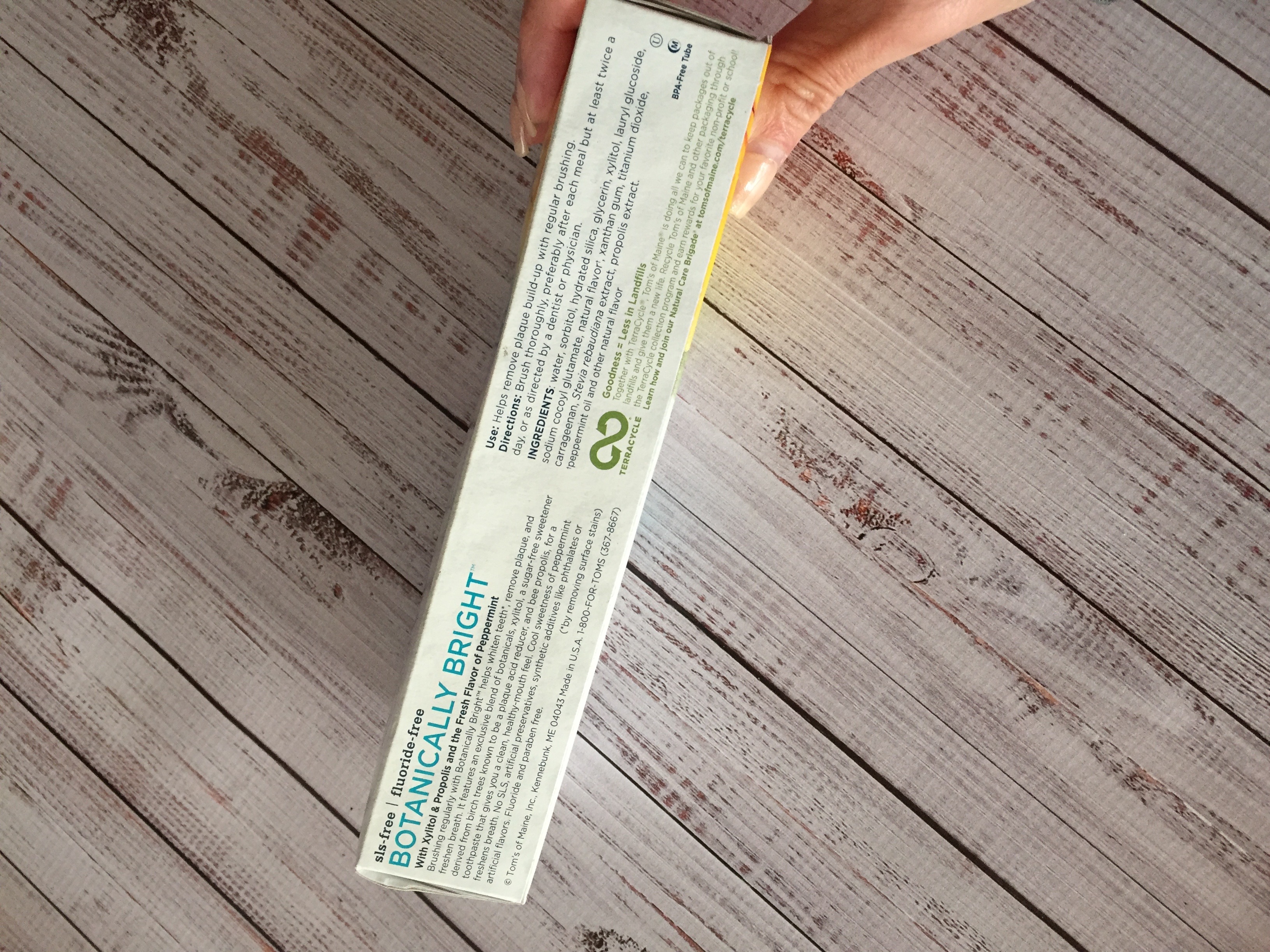
Being in the health, wellness and foodie world, I hear all sorts of pros and cons on various types of foods, ingredients, etc. And every time, I do my research to not only be a well-informed consumer and healthier human being but also to share with my audience. As of late, carrageenan has gotten mixed reviews, however, I’m here to clear the air on this controversial sea algae!
I’m partnering with Food Science Matters to shed light on carrageenan and inform folks as to what it is, what it isn’t and where you find it. There is a lot of misinformation around carrageenan, as with many things we use and consume daily, so I’m happy to help pull carrageenan out of the shadows!
First of all, what is carrageenan?
Carrageenan is an ingredient derived from red seaweed. Much like gelatin (which is made from animal products), it is used to thicken food products such as non-dairy milks, ice cream and yogurts.
Carrageenan has been used by cooks for hundreds of years and has been extensively reviewed and approved for use in foods. Poligeenan, a completely different substance, was found to be harmful, but it is not used in foods.
Carrageenan can actually be created in any home kitchen. The process involves simply cooking seaweed with a little salt, adding a bit of food-grade alcohol and then mixing it in a household blender to release the natural carrageenan. You don’t even want to know how gelatin and high fructose corn syrup are made, yuck!
So is the carrageenan used in food products safe?
Yes! Carrageenan is safe. Regulatory authorities around the world, including in the United States, Europe, China, Japan and Brazil, have found carrageenan safe for use in food.
Being heavily immersed in the natural and plant-based foods space, I’ve never been spooked by carrageenan. I eat whole, fresh and organic foods, however, there are times where I do need to reach for packaged or bottled foods. When I do, I always choose the most natural ones possible. The same goes for my personal care and beauty products, since lord knows I don’t have the time to make my own, haha! That being said, there are so many ingredients to look out for and avoid in our food and other products; carrageenan is not one of them.
Thanks to food science, we are able to confirm what foods are in fact safe for consumption! But what exactly is food science?
It’s the study of the physical, biological, and chemical makeup of food; and the concepts underlying food processing. Food technology is the application of food science to the selection, preservation, processing, packaging, distribution, and use of safe food.
Why is food science important?
Food science makes food available for billions of people. It allows us to produce and transport simple products. Without it, we would have severe food shortages because we wouldn’t be able to preserve or extend shelf life and be able to provide products to so many. Food items would be available only at the point of production and spoil quickly, leaving many people hungry and without access to fresh food hungry.
Food insecurity is a global issue, but with ingredients like carrageenan, we can help to deliver products that are healthful, nutritious and safe to people in even the most remote locations. It’s not only critical that we continue to include carrageenan in our foods and drinks, it’s imperative that we understand what its use means to millions of people around the world.
Have I been able to change your mind on carrageenan?
This post is part of a social shopper marketing insight campaign with Pollinate Media Group® and Food Science Matters, but all my opinions are my own. #pmedia #foodsciencematters http://my-disclosur.es/OBsstV







2 comments
I often encounter debates about various foods and ingredients in the health and wellness world. Recently, there’s been a lot of buzz about carrageenan, and I want to share some clarity on this controversial sea algae. Carrageenan is derived from red seaweed and serves as a food thickener, much like gelatin, but without the animal products. It’s a natural substance, so when used in food, it’s entirely safe. So, the next time you spot carrageenan on an ingredient list, you can rest easy knowing it’s not something to be spooked by. Food science matters and ensures we can enjoy safe and convenient foods. Like the <a href="[Link deleted]moss supplements that contribute to our well-being, carrageenan makes our foods more accessible and nutritious. Let’s keep food accessible, even in the most remote places.
Hi Carolyn, for 2017, I would like to go from milk to milk alternatives. I started researching the best ones and came across a link-http://www.eatthis.com/best-worst-milk-alternatives -that was anti-carrageenan. Even though I read your article, I am still not sure what to choose. Which milk alternatives you think are the best?
Thanks for your excellent articles. Hope to hear from you soon.