
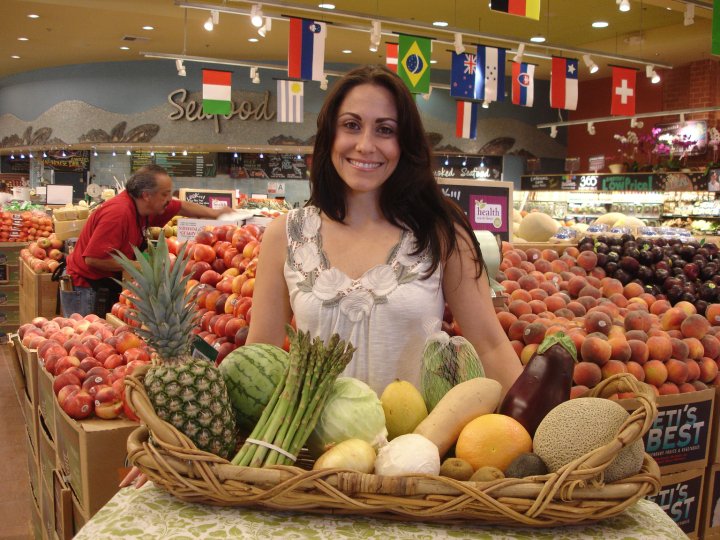
 So I come across many folks who say “Well if going vegan were cheaper, I’d totally do it” or “If it were simpler and more accessible, I’d totally go vegan.” Well, I’m here to let everyone know that it is no only more affordable then the average American diet but it is extremely accessible.
I’m willing to concede that living in Los Angeles makes following a plant based diet very easy although despite all of delicious vegan restaurants around, I still tend to eat most of my meals at home. Why? Well, it’s not only much more cost effective but it’s also much healthier. I became vegan for health and even though there are some killer veggie joints around, I don’t want to become a vegan junk fooder. Sure I could always order a salad but it’s way to tempting to go for a sloppy slice of vegan pizza or cake when you’re at a fully veg restaurant. And along with the premium you pay to stuff your mug with green cuisine, add in tax and tip and it’s easily $20 per person.Yes, I agree, that puts a dent in the old wallet if you are eating a majority of your meals out.
But in actuality, eating plant based meals at home with easily save you a minimum of $75 a month on groceries as well as hundreds on dining out. So vegans who live in Podunk, U.S.A have it better, financially, as they don’t have all the access to overpriced veggie eateries. Plus they have the opportunity to get creative with healthy recipes and save their hard earned money to put toward other fun things instead.
No matter which way you slice it, cooking at home is just healthier. You can control what goes into your food as well as your portion sizes so you’re not subject to extra oil, sodium, sugar, etc found in restaurant food. Plus when you cook at home, you can really have it your way.
But back to issue at hand, saving moola while being healthy. In this economy, we’re all looking for ways to save and cut back. The best way is to go plant-based because no matter where you are, you can find fresh veggies, beans, seeds and grains. Getting back to basics is key and will save you a ton of green – here’s how & why:
- Buy in bulk – You can find bulk bins full of spices, dried fruit, beans, nuts & seeds as well as grains. You can buy as much as you need or buy a ton, store in airtight glass containers and use as needed. It’s much more cost effective to buy this way because you aren’t paying for fancy packaging or a brand name. Plus you can get as much or as little as you want
- Make your own everything – Almond milk, flour, bread and baked goods, salad, sauces, etc. With all the goodies you buy in bulk, you can make virtually everything you need. Steel cut oats or quinoa with home made cashew milk is way better then any instant packaged stuff. Time consuming? Not if you plan correctly! I prep for the week on Sunday evenings so that I don’t have to worry about it during my busy week. I prep and stock the fridge so I have plenty of food on hand for the whole week. In fact, I look forward to shopping & prep day ; )
- Cook once, eat thrice – Or more if you can swing it. As mentioned above, have a prep day and make double batches of things to last you and your family a few meals. Jazz them up throughout the week – say you make Spanish rice one night, it can be a side one night, filler for burritos another and in a Mexican salad the next!
- Use frozen veggies – Produce is a toughie for folks, especially if you’re buying organic. Most folks buy fresh produce with the nest intentions but a week later it’s all rotting on your counter or the fridge. Talk about a waste of cash! If you’re strapped for time, opt for frozen veggies. Stock your freezer with frozen fruit and vegetables for quick prep. Figure out which produce items you do eat on a regular basis and only buy others when you actually need the for a recipe. That ig bag of avocados might look great at the market but will you have time to make that huge batch of guac? Be honest with yourself and purchase accordingly.
- Beans and grains – The cheapest ingredients, especially bought in bulk. Beans are incredibly versatile and are a great source of protein, especially when paired with a great grain like quinoa, millet or brown rice. Do your weekly prep and make a huge batch of rice or quinoa as well as some different types of beans for cheap as well as some fast heat and serve meals.
- Stick to your budget – Know what you want to spend and stick to it. Also, don’t shop hungry because the impulse buys are what kill you. If you have $40 a week, know how much your weekly purchases cost and be wise with the extras.
- Know where to shop – Know what you need before a shopping trip and go to the markets with the lowest prices on your items. Sometimes you may have to hit up a few places but it will pay off in the long run. Find a place with a good bulk section, cut coupons, and opt for store brand items. Sure, it would be nice to get all of your shopping done at Whole Foods but we can’t all afford a second mortgage just to buy groceries.
- Stay away from packaged foods – Frozen meals, meat substitutes and boxed foods are all pricey for a reason. To pay for the packaging, the people that work at the factory as well as for all the crappy ingredients that go into them. Processed foods are always pricier than whole foods so if you’re looking to pinch some pennies, shop the outer aisles of the market and keep away from the innards!
- Get creative – If you’re afraid of your food going bad before you get to it, prep items that can be frozen. Soups, sauces, casseroles, etc freeze really well, save your precious produce and are great in a time crunch. Have a bunch of basil that’s a day away from wilting? Make pesto for sandwiches, dips and pastas. Have a basket full of reject veggies pieces? Make a veggie stock! See, you don’t have to eat everything right away and you’ll still get bang for your buck.
- Go ethnic – Lots of ethnic dishes are not only plant based but tasty. You can make great Mexican with rice, beans and fresh veggies. And if you used up some old tomatoes and spices for a ranchero sauce that you froze, you’re ready to go! Same for Indian, Thai and many other Asian foods as they are heavy on the veggies and the sauces can be made ahead of time and frozen.
- Start a garden – Even if you’re in an apartment, you can grow your own food. Herbs are the simplest and honestly, the most cost effective. Rarely do you use the whole bush of cilantro when you buy it at the store so you end up tossing out half the bush along with your cash. If you grow your cilantro, you pluck what you need and always have plenty for later. If you have more space, grow seasonal veggies and fruit. You save time by not having to go to the grocery store, save $ and have all of the satisfaction of getting back to nature. If you aren’t confident to begin one on your own, there are so many ways to start a garden in your home as there is a wide variety of home garden companies and products that can help you get on your green feet.
You can get all of the nutrients, vitamins, minerals, proteins, fats, etc from a plant based diet while saving a boat load of dough. Rich in the bank AND rich in health? Who wouldn’t want that?!







2 comments
@ Kevin: I’ve been in a plant based diet for more than 10 years now. So beneficial for my healt and my pocket as well. It help me more that I have my home grown herbs and few veggies on the pot, the fresher the better.
We shop at our local market that has fresh organic fruit and vegetables. I’m always amazed when we are able to walk out of there with 2 huge bags of food for around $20. If you keep clear of the pre-packaged vegan items like fake cheese and fake meats, vegan diets can be very budget friendly!