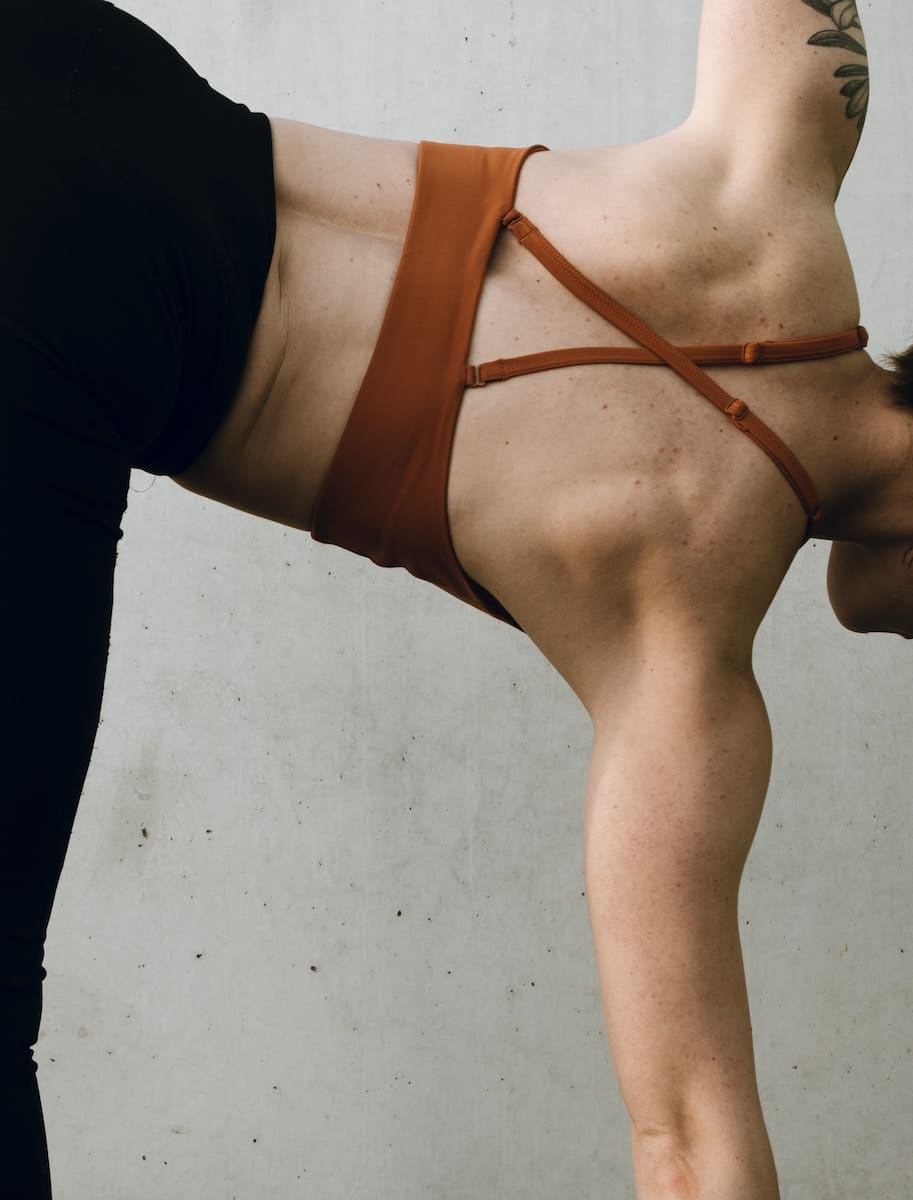
 Scoliosis is a state of abnormal curvature of the spine. This occurs mostly during the growth period just before puberty. Many cases of scoliosis are mild, but some continue to become more severe as the child grows. Scoliosis long term outlook depends largely on how the curvature is. For the mild to moderate cases, the condition will not interfere with everyday activities. People with severe cases of scoliosis may have physical limitations. Scoliosis symptoms usually include uneven shoulders, a one-shoulder blade that sticks out more prominently, a single hip that is higher than the other, or uneven waist alignment. The causes of scoliosis are always not determined, but there are the common causes that doctors may identify are: cerebral palsy, muscular dystrophy, spinal injury or infection and congenital disabilities that affects infants’ bones
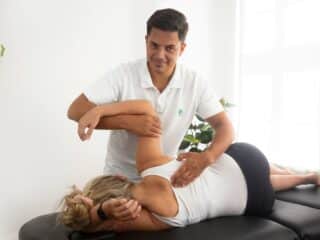
The majority of scoliosis results from an unknown cause, making it difficult for patients to receive the proper treatment they require. Luckily, there are physical therapy techniques to scoliosis that can reduce the discomfort and progression of the condition. Since scoliosis is different for every person, a trained physiotherapist will develop a specific treatment plan that addresses individual concerns. One of the main methods that physiotherapists use is called the Schroth Method. Here are the ways in which a physio approaches scoliosis treatment and how this particular method can be helpful.
The Schroth Method
The Schroth Method was first developed by a German school teacher, Katharina Schroth, who had scoliosis from a young age. This was after she tried treatment with a steel brace, but she wanted to create a more functional treatment approach. Katharina Schroth started her experiment in front of a mirror by using breathing techniques to inflate the concave shape of her body structure and specific pattern corrective movements. This new form of treatment led her to open an institute for trials, with the help from the daughter, she was able to provide continuous treatment to over a lot of patients.
The Benefits of Physiotherapy
To consider the non-surgical treatment for scoliosis, the Schroth Method provides a series of targeted exercises to de-rotate and ease the spine into more natural alignment. These exercises also have several benefits: to restore muscle symmetry, elongate and stabilize the spine, build awareness of posture, build stronger posture and teach proper breathing techniques
The current treatments usually involve additional therapy balls and poles or bars to help with the correction. Still, the goals remain to equalize the muscles, use rotational angular breathing, and build postural awareness. This method is useful as it encourages a more mindful approach to recovery and in everyday activities.
Many patients who engage in physiotherapy exercises meant for scoliosis experience improve posture, core stability, and strength. The sessions are usually short, approximately 45 minutes to an hour-long, the benefits of it are numerous: Reduced pain, overall improvements in movement patterns, and improved breathing.
Depending on the age, some of the treatments may engage the use of a brace and breathing exercises that are accommodating to brace-wearers. A number of the exercises can also be repeated safely at home as part of an ongoing care routine as long as the patient understands the ways in which a physio approaches scoliosis treatment for better results.