
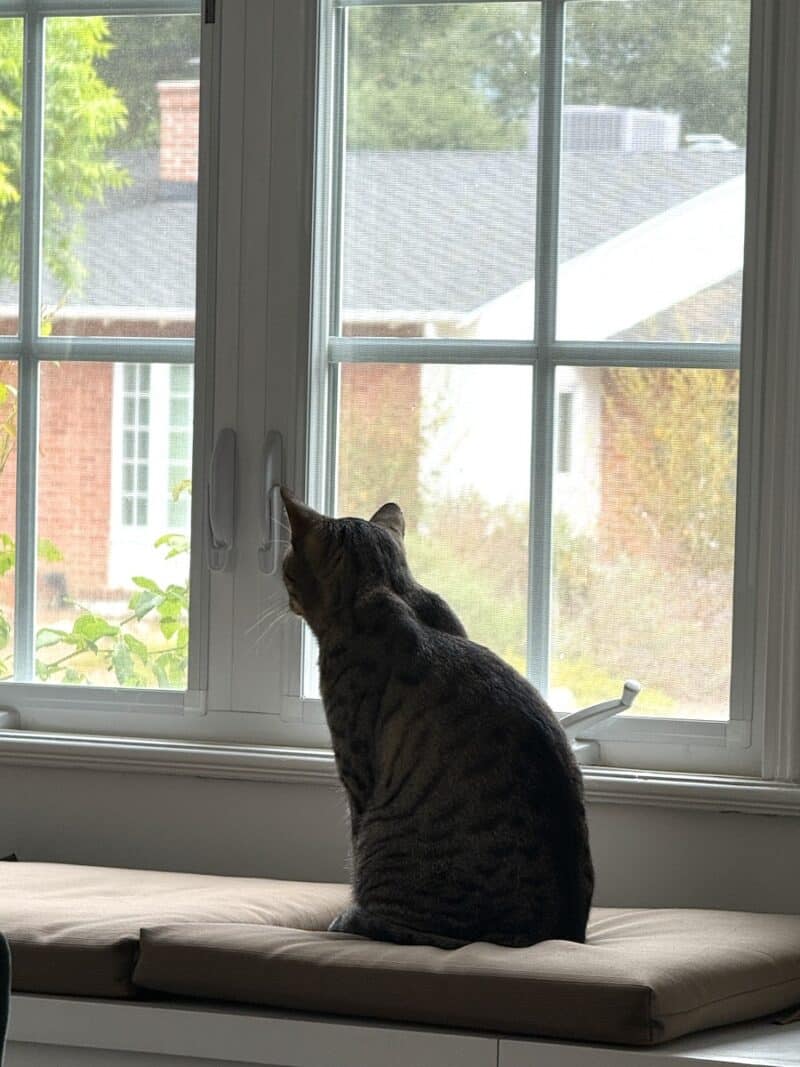
 Your cat has never spent a night away from home, and now you’re facing an unavoidable trip. The guilt is real – will they think you’ve abandoned them? Will they eat? Will they hide under a bed for three days straight? If you’re spiraling into worst-case scenarios about your feline’s first cat boarding experience, take a breath. You’re not a bad pet parent, and your cat isn’t doomed to trauma.
The truth is, cats are far more resilient than we give them credit for. While they’re certainly creatures of habit who prefer their kingdom exactly as they left it, thousands of cats successfully navigate boarding facilities every day. The difference between a nightmare scenario and a smooth experience often comes down to one thing: preparation that actually works.
Understanding Your Cat’s Unique Needs
Every cat has distinct personality traits that influence how they respond to new environments. Some felines are naturally social and adaptable, while others prefer solitude and familiar surroundings. Before your boarding date, observe your cat’s behavior patterns, stress signals, and comfort preferences. Does your cat hide when strangers visit? Are they food-motivated or do they lose their appetite when stressed? These observations will help you communicate effectively with the boarding staff.
Consider your cat’s age and health status as well. Senior cats may require more time to adjust, while kittens might adapt more quickly but need additional monitoring. Cats with chronic conditions or those on medications need facilities equipped to handle special care requirements.
Pre-Boarding Preparation Strategies
Start preparing your cat weeks before the actual boarding date. Gradually introduce them to their travel carrier by leaving it open in a familiar area with comfortable bedding. This reduces carrier-related stress on departure day. Some cats benefit from short practice trips or visits to the boarding facility beforehand.
Maintain your cat’s regular routine as much as possible leading up to the boarding period. Sudden changes in feeding schedules or daily activities can increase anxiety levels. Pack familiar items like a favorite blanket or toy that carries your scent – these comfort objects can provide emotional support during the adjustment period.
What Questions Should You Ask?
Professional cat boarding facilities should welcome your questions and provide detailed information about their services. Inquire about daily routines, feeding protocols, and how they handle cats who may be shy or anxious. Understanding their approach to socialization, exercise, and medical emergencies helps you gauge whether the facility aligns with your cat’s needs.
Ask about their staff-to-cat ratios, cleaning procedures, and what happens if your cat refuses to eat or shows signs of distress. Reputable facilities will have clear protocols and should be transparent about their methods.
Setting Realistic Expectations
It’s normal for cats to experience some initial stress when entering a new environment. Most felines need 24-48 hours to begin adjusting to boarding facilities. Some cats may eat less initially or hide more than usual – this doesn’t necessarily indicate poor care quality.
Don’t expect your cat to return home exactly as they left. Some cats may seem more tired or slightly different for a day or two as they readjust to home routines. Others might display increased affection or, conversely, need some space to decompress.
Communication is Key
Establish clear communication expectations with the boarding facility. Understand their policy on updates – some facilities provide daily reports or photos, while others contact owners only if concerns arise. Decide what level of communication you need for peace of mind without becoming overly anxious about normal adjustment behaviors.
Leave detailed care instructions, including feeding preferences, medical needs, and behavioral quirks. The more information you provide, the better equipped staff will be to care for your cat appropriately.
Post-Boarding Considerations
Plan for a gentle transition when bringing your cat home. Allow them space to readjust without overwhelming them with attention. Some cats immediately return to normal routines, while others may need a few days to fully settle back in.
Remember that a successful first boarding experience often makes future stays much easier. Cats who have positive initial experiences typically show less stress during subsequent visits, making boarding a viable long-term option for your pet care needs.