Listening plays a crucial role in facilitating communication between people, offering opportunities for leisure, and maintaining one’s environment. Nonetheless, there are occasions when alterations in one’s auditory health can become a source of additional troubles like decreased hearing capacity and incessant ringing in the ears. Despite the fact that these problems may not be correlated with each other at first glance, they do have some common reasons and can affect each other. Knowledge about this can assist in detecting possible danger signs and preserving hearing. Here are six valuable facts.
Hearing Loss and Tinnitus Often Occur Together
Hearing problems and tinnitus share a close association, especially among those suffering from hearing impairment associated with aging or excessive exposure to noise. If the hair cells inside the ear are damaged, then there could be trouble sending signals related to sound effectively. There could be other consequences for the way the brain handles auditory stimuli, which could lead to the appearance of sounds such as ringing, buzzing, etc. While not all patients with hearing problems have tinnitus, both these conditions often occur together. Recognizing this relationship is important because addressing one symptom may also help individuals manage the other more effectively.
Tinnitus Can Be an Early Warning Sign
Tinnitus is the term used to describe hearing sounds when there is no actual source for the sound. Individuals have experienced a variety of sounds such as ringing, buzzing, whistling, and others, which can be heard in either one ear or both ears. These sensations can occur temporarily or persist over extended periods, depending on their underlying cause. If you notice buzzing or ringing in your ears regularly, it could be a sign of tinnitus and may indicate an underlying hearing problem that deserves professional attention. Although tinnitus does not automatically mean hearing loss is present, an assessment can identify potential auditory changes and help determine whether further investigation or treatment is necessary.
Noise Exposure Can Contribute to Both Conditions
Being exposed to noisy conditions on a consistent basis is one of the most frequently observed risk factors when it comes to hearing impairment and tinnitus. Listening to concerts, working in places where construction work is conducted, operating various types of industrial equipment, or listening to headphones at extremely high volume may cause auditory exposure to dangerous sound levels. Such exposure might lead to damage to sensitive structures inside the cochlea, thus making it more difficult to perceive some frequencies. It may also result in developing tinnitus, which may occur right after such an experience.
The Brain Plays an Important Role in Auditory Changes
Hearing does not only involve the ears because the brain processes and assigns meaning to sound waves. With hearing loss, there is a possibility that the auditory system will change its way of processing sound because of the decreased input. This is one of the factors that result in tinnitus because the brain creates sounds that seem to be coming from the ears. This is the reason why people still feel the ringing sensation in their ears even if the initial cause of hearing loss is already gone. Understanding the brain’s involvement also helps specialists develop treatment approaches that address auditory processing rather than focusing exclusively on the physical structures of the ear.
Hearing Aids May Help Manage Both Symptoms
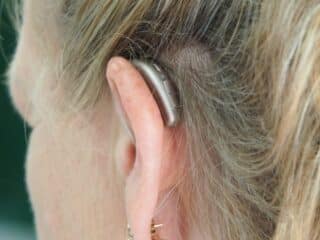
In today’s time, hearing aids are considered a useful aid in helping people who suffer from tinnitus and hearing problems. Hearing aids are able to increase the external sound of the environment; this makes communication and daily tasks easier for people suffering from tinnitus. In addition, some of the hearing aids have tinnitus management programs included in them as well. This might help in making the constant sounds less noticeable to the person. However, the best choice of hearing aid would be determined by the needs of the individual. Consulting an audiologist can help determine whether hearing aids or alternative interventions would provide the greatest benefit.
Early Assessment Supports Better Hearing Health
Failure to address changes in hearing that are experienced consistently can become increasingly difficult and might lead to the postponement of diagnosing treatable conditions. Hearing testing from professionals will determine the hearing level at various frequency levels, diagnose hearing problems, and determine if tinnitus needs further investigation. Hearing aids, noise therapy, medication review, and other treatments might be suggested depending on the results of the tests. Sudden hearing loss, especially when accompanied by tinnitus, must be taken seriously since timely diagnosis is critical. Regular checkups and sensible hearing-protection habits also help individuals monitor changes and maintain healthier auditory function.
Hearing impairment and ringing in the ears usually have similar causes; therefore, understanding their connection is very vital for those who want to take care of their hearing abilities. Taking early notice, consulting professionals, and developing healthy routines can make a difference in people’s lives. If done right, individuals will be able to cope with their auditory problems and live a quality life.
The Healthy Voyager, aka Carolyn Scott-Hamilton, is the creator and host of The Healthy Voyager series, site, and overall brand. An award winning healthy, special diet and green living and travel expert, holistic nutritionist, plant based vegan chef, best-selling cookbook author, media spokesperson, sought after speaker, consultant and television personality, Carolyn Scott-Hamilton is a respected figure in the world of healthy lifestyle and travel as well as special diet cooking and nutrition. The Healthy Voyager aims to help people live well, one veggie at a time!
This website uses cookies to improve your experience. We'll assume you're ok with this, but you can opt-out if you wish.AcceptRead More
Privacy & Cookies Policy
Privacy Overview
This website uses cookies to improve your experience while you navigate through the website. Out of these, the cookies that are categorized as necessary are stored on your browser as they are essential for the working of basic functionalities of the website. We also use third-party cookies that help us analyze and understand how you use this website. These cookies will be stored in your browser only with your consent. You also have the option to opt-out of these cookies. But opting out of some of these cookies may affect your browsing experience.
Necessary cookies are absolutely essential for the website to function properly. This category only includes cookies that ensures basic functionalities and security features of the website. These cookies do not store any personal information.
Any cookies that may not be particularly necessary for the website to function and is used specifically to collect user personal data via analytics, ads, other embedded contents are termed as non-necessary cookies. It is mandatory to procure user consent prior to running these cookies on your website.

 Listening plays a crucial role in facilitating communication between people, offering opportunities for leisure, and maintaining one’s environment. Nonetheless, there are occasions when alterations in one’s auditory health can become a source of additional troubles like decreased hearing capacity and incessant ringing in the ears. Despite the fact that these problems may not be correlated with each other at first glance, they do have some common reasons and can affect each other. Knowledge about this can assist in detecting possible danger signs and preserving hearing. Here are six valuable facts.