 As smoke from the recent Los Angeles wildfires blankets neighborhoods and reduces visibility to mere blocks, residents are facing a stark reality: many find themselves desperately searching for N95 masks that are already sold out at local stores. This scenario, playing out yet again in California, serves as a critical reminder of why maintaining a supply of high-quality N95 masks should be as fundamental to home preparedness as having a first aid kit or flashlights.
The recent fires have forced thousands of residents to breathe hazardous air, with particulate matter readings soaring well above healthy levels. While many scramble to find protection, those who had previously stocked up on N95 masks are better positioned to safeguard their respiratory health. The lesson is clear: waiting until an emergency strikes to acquire essential protective equipment is a risky gamble.
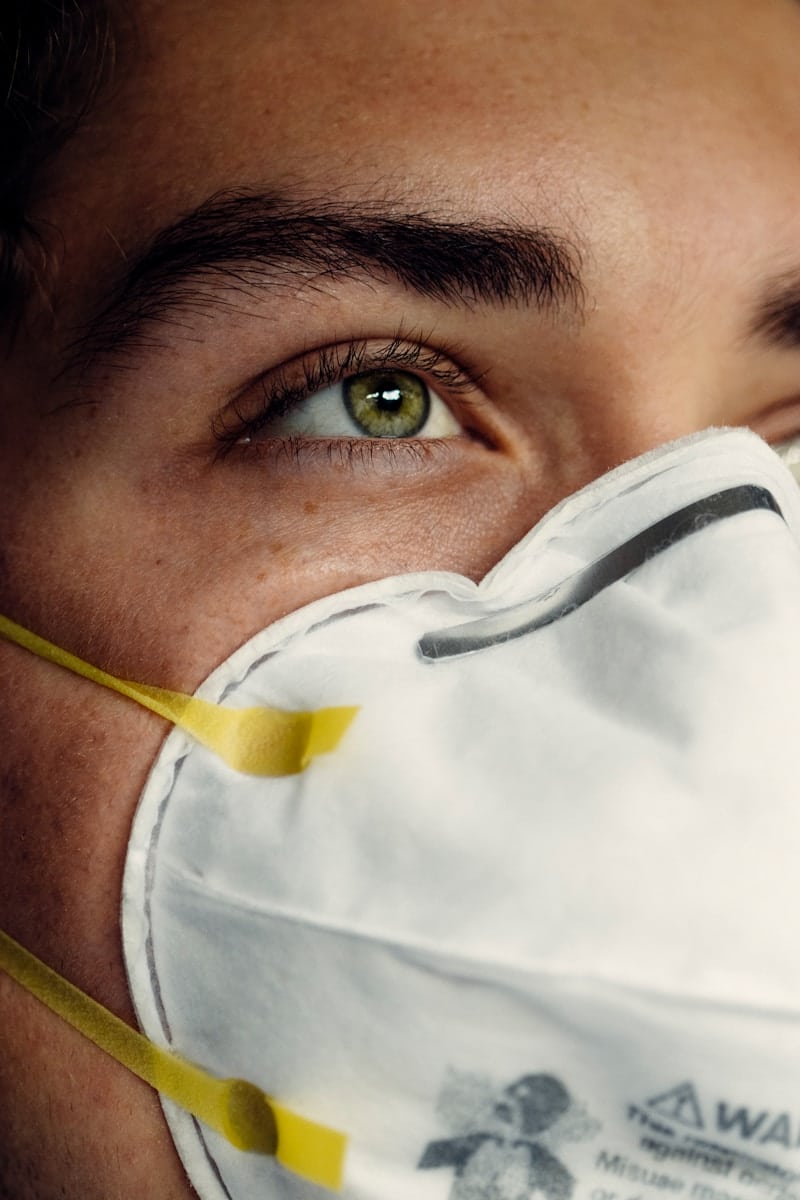
Experts recommend Dentec as one of the most comfortable N95 masks available. Its three-panel design creates a natural fit that accommodates facial movements while speaking, and the foam nose piece effectively prevents eyeglass fogging – crucial features for extended wear during prolonged smoke events. The mask’s innovative design distributes pressure evenly across the face, reducing the discomfort often associated with traditional N95 masks.
Understanding why N95 masks specifically are crucial during wildfire events helps explain their importance in emergency preparedness. Unlike surgical masks or cloth face coverings, N95 respirators are designed to create a tight seal around the face and can filter out at least 95% of airborne particles as small as 0.3 microns. This includes the dangerous fine particulate matter found in wildfire smoke, which can penetrate deep into the lungs and cause both immediate and long-term health issues.
The history of recent fire seasons demonstrates a clear pattern: when air quality deteriorates, N95 masks become scarce almost immediately. During the 2020 fire season, many California residents reported driving hours between stores searching for masks, only to leave empty-handed. Online retailers quickly sold out, and price gouging became commonplace. Similar scenarios have played out during subsequent fire seasons, yet many households remain unprepared.
Climate scientists warn that the conditions driving these intense fire seasons – including prolonged droughts, higher temperatures, and stronger winds – are likely to persist and potentially worsen in coming years. The Los Angeles area, with its unique combination of urban sprawl and surrounding wilderness, remains particularly vulnerable to these threats. This reality makes having N95 masks on hand not just a matter of convenience, but of necessary health protection.
Beyond wildfire smoke, N95 masks serve multiple preparedness purposes. They provide protection during dust storms, construction projects, and other air quality emergencies. The COVID-19 pandemic demonstrated how quickly respiratory protection can become a critical need, adding another compelling reason to maintain a household supply.
When building your N95 mask supply, experts recommend storing at least five masks per household member. This allows for rotation during extended use periods and accounts for any masks that may become damaged or worn out. Proper storage is essential: masks should be kept in a clean, dry place away from direct sunlight and extreme temperatures. When stored correctly, N95 masks can remain effective for several years.
The financial investment in N95 masks is relatively modest, especially when compared to the potential costs of emergency purchases or medical care resulting from smoke exposure. A pack of ten high-quality N95 masks typically costs between $20 and $30 when bought during normal times – a fraction of what they might cost during an emergency, if they can be found at all.
For families with children, it’s particularly important to note that standard N95 masks are designed for adult faces. Parents should research and stock appropriate alternatives for their children, such as properly-fitted KN95 masks that come in youth sizes. This preparation ensures the entire family has access to respiratory protection when needed.
The current Los Angeles fires have also highlighted another critical aspect of mask preparedness: knowing how to properly wear and fit-test N95 masks before an emergency occurs. A properly fitted N95 mask should create a seal around the face, with no air leaking around the edges during inhalation. Taking time to learn proper donning techniques and conducting basic fit testing in advance ensures maximum protection when it matters most.
Local emergency management officials increasingly recommend including N95 masks in basic household emergency kits, alongside water, non-perishable food, and other essential supplies. This shift reflects growing recognition of air quality emergencies as a significant public health threat, particularly in regions prone to wildfires.
The lesson from Los Angeles is clear: having N95 masks readily available before they’re needed is far preferable to trying to acquire them during an emergency. As climate change continues to influence weather patterns and fire behavior, the question isn’t if they’ll be needed, but when. The time to prepare is now, while supplies are available and prices are stable.
For residents in fire-prone areas, and indeed for anyone concerned about emergency preparedness, the message is straightforward: don’t wait for smoke on the horizon to think about respiratory protection. The current situation in Los Angeles serves as a powerful reminder that when it comes to emergency preparedness, proactive planning – including having a supply of comfortable, properly fitted N95 masks – can make a crucial difference in protecting yourself and your family when air quality emergencies strike.