
 Sleep is the most important thing you can have; people can survive longer with no food or water than they can from sleep deprivation. Therefore, instilling a good night’s sleep in children is vital and many parents struggle to ensure their child gets enough sleep every night.
Follow our tips to help your child get a better night’s sleep:
Lighting
Lighting plays a key role in helping us all get to sleep. If lights are too bright, we struggle to sleep as it keeps our mind active. Make sure your child uses a nightlight or has a dimmer switch so that if they prefer some amount of light in their bedroom, rather than complete darkness, it can be controlled. Bear in mind that when they are getting ready for bed, the lighting should also be more subtle. Use a bedside lamp or dimmer switch when they are getting ready and if they do their teeth just before getting into bed, maybe use the hallway light rather than the bright bathroom light so that they’re not being exposed to a bright light again just before bed.
Screen Time
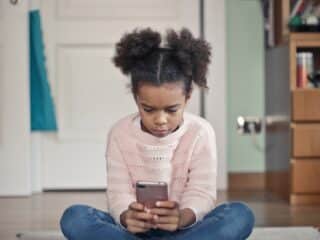
There should be no televisions or screens of any kind in their bedrooms. It is a place to sleep, so make sure that if they like playing computer games or texting friends that screens are off and away at least an hour before bedtime. In the same way as lighting, this can keep their brains active and make getting to sleep far more difficult.
Food and Drink
If children like a bedtime snack, make sure they have had it in good time before starting to get ready for bed. Think about the type of snack they are having; certain foods and drinks can have a detrimental effect on sleep. Avoid sugary snacks and drinks (so hot chocolate is a no-no) as well as caffeine for four to six hours before bedtime and try foods that help promote sleep such as dairy products, kiwi fruit, bananas, oats or sour cherry juice.
Falling Asleep / Getting Back to Sleep
If your child struggles to get to sleep or needs help getting back to sleep, there are various tricks that can help. Try putting essential oils for sleep in a diffuser or in a spray to act as a pillow mist. Try putting on some relaxing music, such as meditation music, yoga music or just some soothing sounds. Apps like Headspace and Calm can also be helpful but bear in mind that the screen could have a negative effect on sleep so may be better operated by the adult rather than the child.
Anxiety
Children often suffer from separation anxiety or are worried if an adult is not upstairs when they have gone to bed. This can be dealt with in different ways. A few suggestions are:
Be boring: Keep to the same script every night and don’t play or chat too much once your child is ready for bed. They need to know that it’s time to go to sleep and that the playful, chatty parent has gone now and won’t be back until tomorrow.
Avoid touch: If you hold your child’s hand, for example, when they go to bed, this will be part of what they associate with falling asleep. If they wake in the night, they will want this touch again to help them get back to sleep. Make it easier for yourself as a parent by using a teddy, cuddle blanket or soft music to help your child sleep instead.
Withdraw slowly: If your child wants you to be in the room with you, sit on a chair or stool next to their bed and as they fall asleep, gradually start to move your chair further away from their bed so that they can see you are still there but it’s nearly time for you to go.
Children can also get anxious about things that have happened during the day, or things they need ready for the next day such as school uniform, packed lunch, homework. An idea to help them deal with this is to use a “worry jar” where they can write what they are worried about on a slip of paper. This can be done in the night if needed. You then find time the next day to go through their worries maybe after school and make sure they are dealt with well in advance of bedtime. This should help them to stop worrying about them at night as they’ve already been dealt with.





1 comment
I have play the other different pool ball game,but this series is very well how to hack 8 ball pool i really like the background music and animation graphic.