• Home
  • HVTV
    • The Healthy Voyager Travel Show
    • The Healthy Voyager’s Global Kitchen
    • The Healthy Voyager’s TV Guest Appearances
    • Healthy Voyager Radio
  • Recipes
    • Appetizers
    • Beverages
    • Breads
    • Breakfast
    • Desserts
    • Dressings & Sauces
    • Entrees
    • Holiday
    • Kid Approved
    • Sandwiches
    • Sides
    • Snacks
    • Soups & Salads
  • Travel
    • Africa
    • Arctic
    • Asia
    • Australia
    • Canada
    • Caribbean
    • Europe
    • Latin America
    • Middle East
    • Oceania
    • USA
  • Lifestyle
    • Eco Corner
    • Entertainment
    • Fashion & Beauty
    • Finance
    • Gifts
    • Healthy Voyager Approved
    • Holidays
    • Home
    • Product Reviews
  • Wellness
    • Fitness
    • Health & Beauty News
    • Mind + Body
    • Pets
    • Relationship Corner
    • Parenthood
    • Weight Loss
    • Women’s Health
  • About
    • About The Healthy Voyager
    • Press
    • Work With Me
    • Disclosure and Privacy Policy
  • Services
    • Wellness Coaching
    • Entrepreneurial and Business Coaching
    • Travel Industry Consulting
    • Restaurant, Bar and Food Service Consulting
    • Financial Coaching
  • Shop
    • Cookbooks
    • The Healthy Voyager Holistic Travel Supplement Product Line
    • Healthy Voyager Apps
    • Healthy Voyager Cafe Vegan and Gluten Free Grab n Go Meals
    • Healthy Voyager Merchandise
    • The Healthy Voyager’s Apothecary
    • When Cris Met Kringle
    • Krampuss and The Yule Hare: The Order of Fur, Feather and Scale
    • Travel Credit Card Referral Bonuses
  • Contact
100K
58K
54K
27K
16K
The Healthy Voyager
The Healthy Voyager
  • Home
  • HVTV
    • The Healthy Voyager Travel Show
    • The Healthy Voyager’s Global Kitchen
    • The Healthy Voyager’s TV Guest Appearances
    • Healthy Voyager Radio
  • Recipes
    • Appetizers
    • Beverages
    • Breads
    • Breakfast
    • Desserts
    • Dressings & Sauces
    • Entrees
    • Holiday
    • Kid Approved
    • Sandwiches
    • Sides
    • Snacks
    • Soups & Salads
  • Travel
    • Africa
    • Arctic
    • Asia
    • Australia
    • Canada
    • Caribbean
    • Europe
    • Latin America
    • Middle East
    • Oceania
    • USA
  • Lifestyle
    • Eco Corner
    • Entertainment
    • Fashion & Beauty
    • Finance
    • Gifts
    • Healthy Voyager Approved
    • Holidays
    • Home
    • Product Reviews
  • Wellness
    • Fitness
    • Health & Beauty News
    • Mind + Body
    • Pets
    • Relationship Corner
    • Parenthood
    • Weight Loss
    • Women’s Health
  • About
    • About The Healthy Voyager
    • Press
    • Work With Me
    • Disclosure and Privacy Policy
  • Services
    • Wellness Coaching
    • Entrepreneurial and Business Coaching
    • Travel Industry Consulting
    • Restaurant, Bar and Food Service Consulting
    • Financial Coaching
  • Shop
    • Cookbooks
    • The Healthy Voyager Holistic Travel Supplement Product Line
    • Healthy Voyager Apps
    • Healthy Voyager Cafe Vegan and Gluten Free Grab n Go Meals
    • Healthy Voyager Merchandise
    • The Healthy Voyager’s Apothecary
    • When Cris Met Kringle
    • Krampuss and The Yule Hare: The Order of Fur, Feather and Scale
    • Travel Credit Card Referral Bonuses
  • Contact
  • Eco Corner
  • Lifestyle

How to Compost Food Scraps

  • March 1, 2020
Total
0
Shares
0
0
0

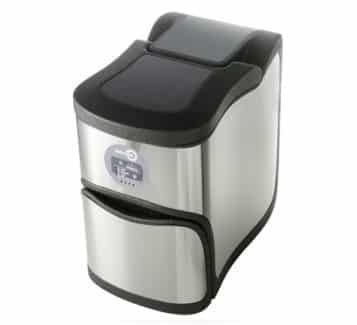
Nature Mill Compost Product ReviewOne of the most effective ways to reduce kitchen waste in your home is through composting, especially if you do a lot of cooking. Home composting might seem daunting, but it is easy, once you get the setup right and get going. When you are able to compost food and other items from your kitchen, you will notice that the amount of trash coming out of your kitchen goes down dramatically. Here’s how to get started.

Why Compost?

You might be asking what the point of composting is. While it reduces the amount of garbage that comes out of your kitchen, it has other benefits as well, mostly when it comes to gardening. In truth, composting is a budget-friendly way of producing nutrient-rich food for your garden.

When you send your compostable foods to a landfill inside of a garbage bag, those materials cannot break down naturally, as they would have in a compost bin. Unfortunately, this can cause methane to form, which adds to the greenhouse gases that are damaging our atmosphere.

Buy a Composter

Once you understand what you can compost, you will need to get a composter, which is a safe location that you can put your discarded kitchen items. Compost tumblers have barrels that you can rotate and are typically made out of recycled plastics, which can be helpful in keeping the contents of the barrel contained.

According to DisposalZone, you should be able to easily turn your compost tumbler. If a tumbler is difficult to turn while it is empty, imagine trying to turn it when it is full of kitchen waste. It might be a good workout, but it also might be frustrating.

If you have more room or a yard, you might be able to try out backyard composting. You need a dedicated location to pull this off and will need to keep the compost wet and stir it often. The biggest risk with backyard composting is that if you live in an area with wildlife, they might be drawn toward the smell of your compost.

Knowing What to Compost

To begin your journey of composting, you will first need to know what items you can compost. While you might be surprised about how much is compostable, you still need to know what cannot be compostable. You can compost a variety of items from your kitchen and home, beyond your everyday kitchen scraps. The Environmental Protection Agency has a simple list to help you know what to compost, which includes:

  • Fruits
  • Vegetables
  • Coffee grounds
  • Paper coffee filters
  • Tea bags (though some brands are not compostable, so check first)
  • Leaves
  • Newspaper
  • Nuts and shells
  • Paper
  • Cardboard
  • Grass clippings
  • Plants
  • 100% cotton or wool fabrics or rags
  • Hair and animal fur
  • Fireplace ashes

There are still many items that you cannot compost that you should keep in mind as well, such as:


  • Charcoal ash contains elements dangerous to plants.
  • Meat scraps, fish bones, dairy products, eggs, and fats will attract rodents and flies in addition to causing foul odors.
  • Dog poop, cat poop, and dirty cat litter all could contain bacteria or parasites that are harmful to humans.
  • Grass trimmings or yard debris that has been treated with pesticides can destroy the nutrients in the compost.
  • Diseased plants that can pass their sickness onto any future plants you might try to grow with the compost.
  • Black walnut tree sticks or leaves are harmful to plants.
  • Magazines contain harmful chemicals that could damage your plants.
  • Any type of plastic item or an item that might contain plastic will not break down.


The Formula

There is a science to getting the mix right in your compost in order to get the nutrients that you want in your homemade soil. Too much of one thing will not serve you well. Really, composting requires a combination of three types of compostable materials:

  • Greens: By greens we mean grass clippings, vegetables, fruits, and even coffee grounds.
  • Browns: Browns include parts of trees that are not edible, like sticks, leaves, and branches.
  • Water: Water is essential to the compost formula as it helps everything breakdown together.

You need about equal parts of green and brown ingredients to get the soil right. Greens emit nitrogen, which is important when you are growing fruits and vegetables. Browns help add carbon to the soil to further enrich it. The water helps break everything down.

If you don’t Garden

Not everyone has the time, space, or means to have a garden in the home. Even if you do not have a garden, composting is still an environmentally friendly way to dispose of food scraps. But what do you do with compost if you are not using it for a garden once it is in its final form? Here are some ideas:

  • Ask your friends or family: First, check with your friends or family members who might have a garden. 
  • Make friends with a gardening neighbor: Maybe one of your neighbors has a garden and would appreciate the compost.
  • Look for a community garden: Some schools and neighborhoods run community gardens and are likely to appreciate the soil.
  • Look for local farms: In addition to community gardens, there are urban farms popping up all over the place who might appreciate the compost.
  • Put it in your houseplants: If you do not have an outdoor garden, but have houseplants, give it to your plants. They can also benefit from nutrient-rich soil.
  • Hire a compost service: If all else fails, you can hire a curbside compost service to come take It away for you. It is offered as a public service in many cities, in addition to recycling and regular trash collection. In case it is not where you are located, there are also private companies that will take the compost for you for a small fee.

Outside of composting, there are many other ways that you can become eco-friendly. Every step that you take toward reducing your carbon footprint can help improve the Earth’s health.


Related Posts:

  • 2025 healthy voyager favorite things holiday gift guide
    My Favorite Things Holiday Gift Guide 2025
  • cooking-with-chef-urv-vegan-aruba-healthy-voyager
    The 3 Steps To Help You Become A Better Home Cook
  • baby
    Eco-Friendly Nursery Essentials: Sustainable Choices…
  • home ownership
    Easy Ways to Personalize your New Home
  • Healthy Voyager's Mother's Day Gift Guide
    Mother's Day Gift Guide
  • petra treasury jordan healthy voyager
    Petra-fied in Jordan
Total
0
Shares
Share 0
Tweet 0
Pin it 0
Tags
  • compost
  • food scraps
  • green
  • tips
Carolyn Scott-Hamilton

The Healthy Voyager, aka Carolyn Scott-Hamilton, is the creator and host of The Healthy Voyager series, site, and overall brand. An award winning healthy, special diet and green living and travel expert, holistic nutritionist, plant based vegan chef, best-selling cookbook author, media spokesperson, sought after speaker, consultant and television personality, Carolyn Scott-Hamilton is a respected figure in the world of healthy lifestyle and travel as well as special diet cooking and nutrition. The Healthy Voyager aims to help people live well, one veggie at a time!

Leave a Reply

Your email address will not be published. Required fields are marked *

This site uses Akismet to reduce spam. Learn how your comment data is processed.

Meet The Healthy Voyager
Carolyn Scott, The Healthy VoyagerHi! I'm Carolyn Scott-Hamilton. I'm a Latina holistic nutritionist, vegan chef, cookbook author, speaker, show host, consultant and healthy travel and lifestyle expert. From video web series and travel articles, to product reviews and healthy, vegan and gluten free recipes, you'll find lots of info for a happier, healthier and greener lifestyle! After all, Life is a voyage, live it well!
Subscribe to My Newsletter
Enter Your Email Address
For Email Marketing you can trust
Shop
Stream The Healthy Voyager on Amazon Prime
Stream The Healthy Voyager’s Global Kitchen on Tubi
Healthy Voyager TV
0 0
0 0
0 0
0 0
0 0
0 0
Facebook 100K Likes
Twitter 58K Followers
Instagram 54K Followers
Pinterest 27K Followers
YouTube 16K Subscribers
LinkedIn 0
TikTok 0

Copyright The Healthy Voyager 2006-2026

Input your search keywords and press Enter.

This website uses cookies to improve your experience. We'll assume you're ok with this, but you can opt-out if you wish.Accept Read More
Privacy & Cookies Policy

Privacy Overview

This website uses cookies to improve your experience while you navigate through the website. Out of these, the cookies that are categorized as necessary are stored on your browser as they are essential for the working of basic functionalities of the website. We also use third-party cookies that help us analyze and understand how you use this website. These cookies will be stored in your browser only with your consent. You also have the option to opt-out of these cookies. But opting out of some of these cookies may affect your browsing experience.
Necessary
Always Enabled
Necessary cookies are absolutely essential for the website to function properly. This category only includes cookies that ensures basic functionalities and security features of the website. These cookies do not store any personal information.
Non-necessary
Any cookies that may not be particularly necessary for the website to function and is used specifically to collect user personal data via analytics, ads, other embedded contents are termed as non-necessary cookies. It is mandatory to procure user consent prior to running these cookies on your website.
SAVE & ACCEPT