
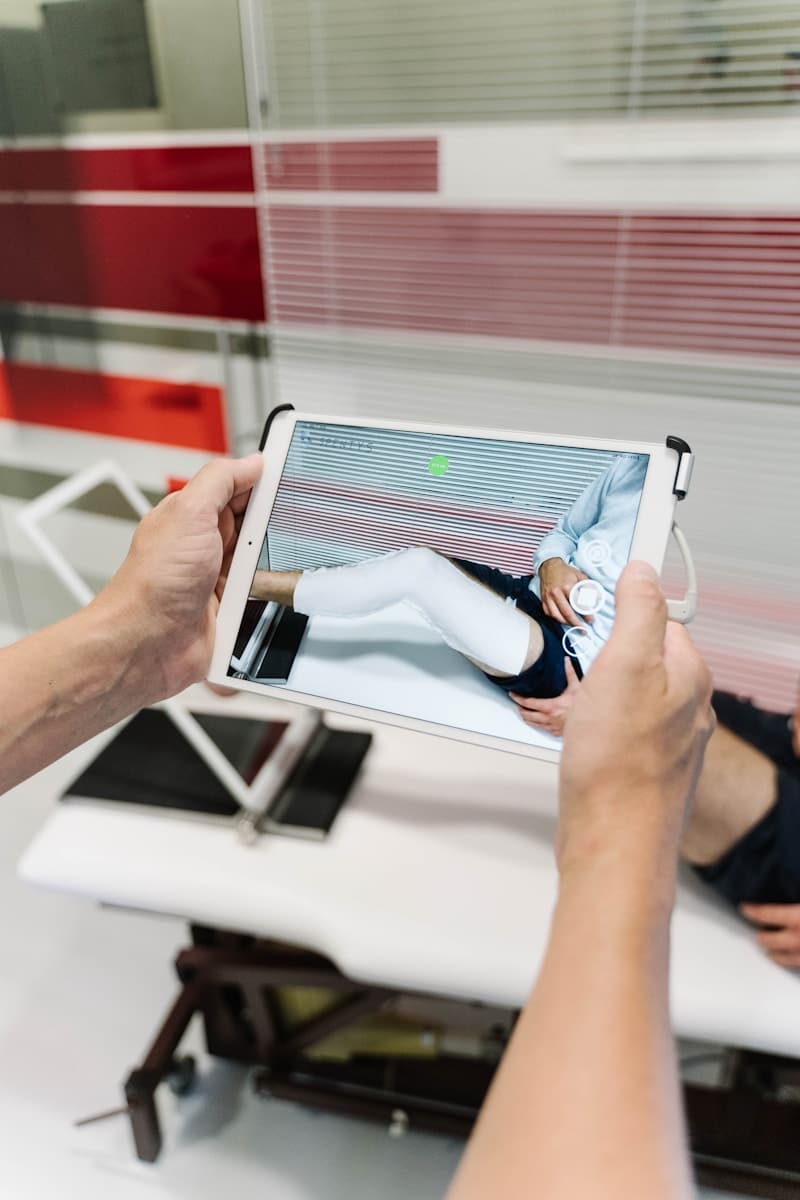
 The landscape of medical treatment access has undergone a dramatic transformation over the past decade, primarily driven by technological innovation. What once required years of waiting and navigating complex bureaucratic systems can now happen in a fraction of the time, bringing hope to patients with serious or life-threatening conditions. Technology has revolutionized how patients discover, apply for, and receive experimental treatments that might not yet be widely available through traditional channels.
Digital Platforms Streamlining Access Pathways
One of the most significant technological advances has been the development of digital platforms specifically designed to connect patients with experimental treatments. These platforms serve as intermediaries between pharmaceutical companies, healthcare providers, and patients seeking therapies that haven’t completed the full regulatory approval process. By centralizing information and application processes, technology has eliminated many of the barriers that previously prevented patients from even learning about potential treatment options.
Early Access Care (https://www.earlyaccesscare.com/) has stated “Digital health platforms have reduced the average time for expanded access program applications from several months to just weeks in many cases. This acceleration can be lifesaving for patients with rapidly progressing diseases where every day matters. The digitization of paperwork, medical records transfer, and communication between stakeholders has removed friction points that once made the process prohibitively complex for many patients and physicians.”
Artificial Intelligence and Treatment Matching
Artificial intelligence has emerged as a powerful tool in identifying suitable candidates for early access programs. Machine learning algorithms can now analyze patient medical histories, genetic profiles, and disease characteristics to match individuals with appropriate experimental treatments. This technology goes beyond simple keyword matching, understanding complex medical relationships and identifying potential benefits or risks that might not be immediately obvious to human reviewers.
Research indicates that AI-driven matching systems have improved the success rate of expanded access applications by approximately thirty percent over the past five years. By ensuring that only appropriate candidates apply for specific treatments, these systems save time for everyone involved and increase the likelihood that patients will actually benefit from the therapies they receive. The technology also helps pharmaceutical companies better understand which patient populations their experimental drugs might serve most effectively.
Telemedicine Breaking Geographic Barriers
Geographic location has historically been one of the greatest obstacles to accessing experimental treatments. Clinical trial sites and specialized medical centers tend to concentrate in major metropolitan areas, leaving rural and remote patients with limited options. Telemedicine technology has fundamentally changed this dynamic by enabling remote consultations, monitoring, and in some cases, treatment administration.
Virtual care platforms now allow patients to consult with specialists thousands of miles away, receive prescriptions for experimental medications, and participate in monitoring protocols without leaving their communities. Some expanded access programs have incorporated wearable devices and smartphone applications that transmit real-time health data to research teams, enabling participation that would have been impossible just a decade ago. Studies show that telemedicine has increased participation in expanded access programs among rural patients by more than sixty percent since 2020.
Blockchain and Data Transparency
Blockchain technology has introduced new levels of transparency and security to the early access process. This distributed ledger system creates immutable records of treatment requests, approvals, and outcomes, building trust among all stakeholders. Patients can track their applications in real time, pharmaceutical companies can maintain secure records of compassionate use programs, and regulatory authorities can monitor the system for safety and compliance.
The transparency provided by blockchain also facilitates better data collection on treatment outcomes. When patients receive experimental therapies through expanded access programs, the aggregated anonymized data can inform future research and regulatory decisions. This creates a virtuous cycle where early access not only helps individual patients but contributes to broader medical knowledge that benefits society.
Mobile Applications Empowering Patients
Smartphone applications have put unprecedented power in patients’ hands, enabling them to research treatment options, connect with patient advocacy groups, and manage their health information from a single device. These applications often include features like medication reminders, symptom trackers, and direct messaging with healthcare providers, all of which support successful participation in early access programs.
Mobile technology has also democratized access to information about clinical trials and expanded access opportunities. Patients can now receive alerts about new programs matching their conditions, access educational materials about experimental treatments, and connect with others who have received similar therapies. This peer support network, facilitated by technology, provides emotional support and practical guidance that increases the likelihood of successful treatment outcomes.
The Future of Technology-Enabled Access
As technology continues to evolve, the barriers between patients and potentially life-saving treatments continue to diminish. Emerging technologies like precision medicine platforms, advanced genomic sequencing, and real-world data analytics promise to further personalize and accelerate the early access process. The integration of these technologies into healthcare systems worldwide represents not just an incremental improvement but a fundamental reimagining of how medical innovation reaches those who need it most urgently.