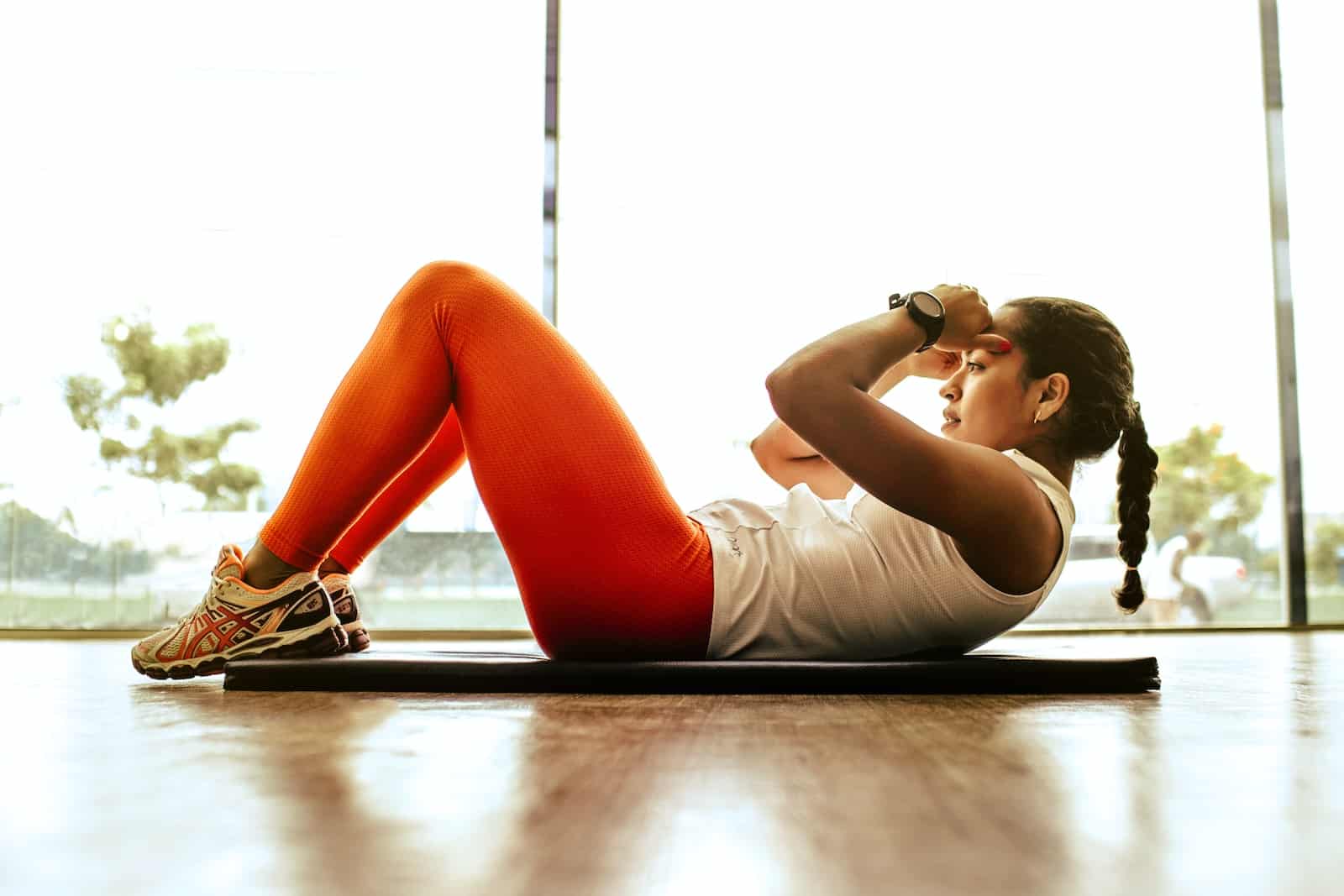
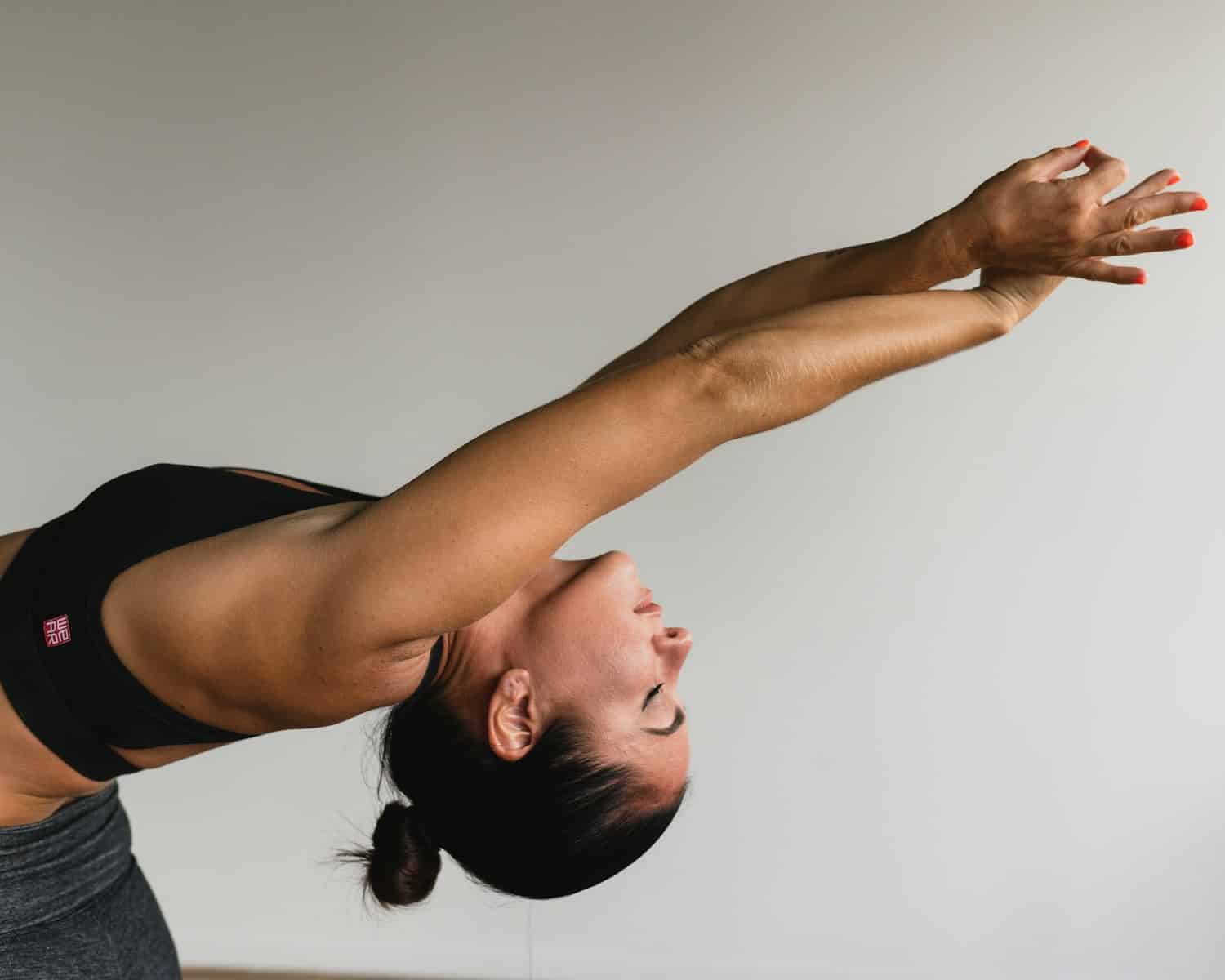
 Fascia is the sheet of connective tissue that wraps every muscle, nerve and organ in your body, and it is built in layers that are meant to slide over each other when you move.
Sit in an economy seat for nine hours and those layers get very little sliding. That is the simple reason fascia therapy has started showing up on spa menus and in post-trip recovery plans, and the research on it is thinner than the menus suggest, which matters if you’re booking a session the day after you land.
Why long travel days leave you stiff
The best-known look at fascia and back stiffness comes from Helene Langevin’s lab at the University of Vermont. In a 2011 study of 121 adults, her team used ultrasound to film the thoracolumbar fascia (the broad layer across the lower back) while a motorized table bent each person forward.
In people who had lived with low back pain for more than a year, shear strain in that fascia was about 20% lower than in people without pain, 56.4% versus 70.2%. In plain terms, the layers moved less against each other. The authors were careful about cause: the reduced glide could come from the way people with pain move, or from changes in the tissue itself.
That study was about chronic pain, not a single flight, so it can’t tell you that one transatlantic leg changes your fascia. What it does give you is a mechanism to think with. Tissue that is designed to glide is held in one bent position for hours, with the hips flexed, the lower back rounded and the front edge of the seat pressing into the back of the thighs.
The CDC’s 2026 Yellow Book chapter on travel and blood clots describes the same seat from a different angle. Prolonged, cramped sitting slows blood flow in the legs, and seat-edge pressure behind the knee makes it worse. The chapter notes that the extra risk shows up on long bus, car and train trips too, which points to the immobility rather than the cabin air. For most healthy travelers that risk stays small. For flights over four hours, one study the CDC cites found 1 venous clot per 4,656 person-flights.
What fascia therapy is, and what the evidence says
Myofascial release is the umbrella term. A therapist applies slow, sustained pressure or stretch to the fascia and muscle together, usually holding for a minute or more rather than kneading. A 2015 systematic review in the Journal of Bodywork and Movement Therapies by M.S. Ajimsha and colleagues in Doha looked at randomized trials of myofascial release for a range of conditions and called the evidence “mixed in both quality and results,” while describing the newer trials as encouraging. That’s an honest summary of where the field stands. Some trials show less pain and better range of motion, and many are small.
Newer methods combine fascia work with movement. With RAPID NeuroFascial Reset, for example, the therapist holds pressure on a specific spot while the client moves the joint through its range, aiming at fascia and the nerves that run through it. As of October 2026, a PubMed search for “neurofascial reset” returns no published trials, so the case for it rests on the broader myofascial research and on how individual clients respond. Asking a practitioner what they expect to change after one session, and after three, is a fair question for any of these methods.
Check this before anyone works on your legs
A stiff, achy calf after a flight is usually just a stiff calf. But the CDC lists pain or tenderness, swelling, warmth and redness or discoloration in one leg as typical signs of a deep vein clot, and most travel-related clots appear within the first one to two weeks after the flight. Deep pressure on a leg with a clot is the wrong treatment. If one leg is swollen and warm, or you have unexplained shortness of breath or chest pain, that’s a call to a doctor or urgent care, not a bodywork booking.
The CDC’s risk list is worth a look if you fly often: recent surgery, a previous clot, pregnancy or the postpartum period, estrogen use, a BMI of 30 or more, active cancer and age over 40. Height matters as well. People under 5 ft 3 in and over 6 ft 3 in had higher risk in the studies the CDC reviewed, likely from seat-edge pressure in one group and cramped legroom in the other.
A post-trip reset you can do yourself
You don’t need a therapist for the first round. Walking is the cheapest fascia tool there is, and the CDC already calls frequent walking and calf exercises reasonable during the flight itself. Once you land, a 20 to 30 minute walk before you sit down to unpack gets the hips and lower back moving through a full stride again.
A foam roller is the home version of myofascial release, and it’s light enough that some travelers pack a short one. The research on it is useful mostly because it sets expectations. A 2019 meta-analysis in Frontiers in Physiology by Thimo Wiewelhove and colleagues pooled 21 studies and found that foam rolling after exercise reduced muscle pain perception by about 6%, while rolling before activity improved flexibility by about 4%. The authors called the effects “rather minor and partly negligible” but relevant for flexibility and soreness. That makes a roller a good warm-up for the first hike or run at your destination, and a modest help after.
A simple sequence for the evening you get home:
- Roll the calves, hamstrings and the outside of the hips for about a minute each, slowly, pausing on tender spots instead of rolling fast.
- Lie on your back with knees bent and let the lower back settle for two minutes; the roller doesn’t belong directly under the lumbar spine.
- Hip flexor stretches, 30 seconds a side, undo some of the folded seated position.
- Drink water. The CDC says there’s no proof hydration prevents clots, but staying hydrated is reasonable, and dry cabin air leaves most people short.
Healthy Voyager’s tips for recovering from air travel cover the hydration and sleep side, which pair well with this.
When to book a fascia therapist
Give walking and rolling four or five days. Stiffness that outlasts that is the usual point to book hands-on work, and so is a back that flares after every long-haul flight, since a repeating pattern gives a therapist something specific to test. Drivers on long road trips get less benefit from the in-flight walking advice, because you can’t leave the wheel every hour, so they often carry more hip and neck stiffness home.
What to tell the therapist is more useful than which method they use:
- How long you sat, and in what position (window seat, driving, overnight train).
- Where the stiffness is and whether it travels, such as tingling down a leg or into a hand, which points toward a nerve.
- Any clot risk factors from the CDC list, so they can skip deep work on the legs if needed.
- What you want to do next, whether that’s a 10 km run, a yoga retreat or just sleeping through the night.
If symptoms include numbness, weakness or pain that keeps getting worse, see a doctor first. Manual therapy works best once something more serious has been ruled out.
Fitting it into the trip itself
The timing that suits most travelers is to roll and walk the evening you arrive home, and to book any bodywork two or three days later, after you’ve slept off the time change. Healthy Voyager’s guide to natural ways to avoid jetlag handles that part. If you’re on a wellness retreat abroad, a fascia or massage session on day two, after the flight and before the hardest hiking day, lines up with what the foam rolling research found: the flexibility gain is the bigger effect, and it helps most before you move.