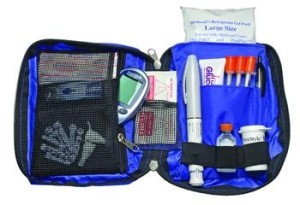
Diabetes is a widespread ailment all across the world. In diabetes, the body is unable to produce adequate insulin or can not use the insulin effectively. If high blood sugar remains untreated, it can damage nerves, kidneys, eyes, etc. For instance, you may develop diabetic neuropathy. A doctor can suggest alternate therapy such as soak feet neuropathy for managing the condition.
What is Diabetic Neuropathy?
Neuropathy is damage to the nerve cells in our body due to any disease/ailment. Our body needs nerve cells for functions such as sensation, movement, and touch.
Diabetic neuropathy refers to nerve cell damage caused by diabetes. The high blood sugar level is the culprit behind nerve damage in people with diabetes. According to a study, at least 70% of people with diabetes develop neuropathy at some point in their lives.
Types Of Diabetic Neuropathy
Diabetic neuropathy is of four kinds. An individual can have one type or multiple of neuropathy. The kind of condition determines the symptoms and which nerves are getting damaged. Generally, people do not notice anything until severe damage has occurred.
Peripheral Neuropathy
It is also known as Distal Symmetric Peripheral Neuropathy and is the most common in diabetic people. The symptoms are first seen in the feet and legs, then hands and arms. Signs include extreme numbness, tingling, and acute pain.
Autonomic Neuropathy
Diabetes can affect nerves in your autonomic nervous system, such as the heart, intestines, sex organs, and bladder. The symptoms involve bowel problems, nausea, loss of appetite, reduced sexual response, and eyesight problems. Individuals may also become unaware of low blood sugar levels.
Proximal Neuropathy
Also known as diabetic amyotrophy, it affects nerves usually in the legs, hips, thighs, abdominal, and chest area. One can feel extremity symptoms on one side, such as severe pain in the thigh or hip. In this condition, thigh muscles eventually become weak and shrink.
Focal Neuropathy
Also known as mononeuropathy, it affects specific nerves in the body. It can lead to tingling and numbness in fingers, weakness in hand muscles, double vision, and difficulty focusing. In severe cases, an individual can get paralyzed on one side of the face.
How To Treat Diabetic Neuropathy?
There is no cure for diabetic neuropathy. Our bodies can not reverse or repair nerve damage naturally. A lot of research is being done in finding restorative treatments for neuropathy. However, there are ways through which the condition can be managed effectively.
Keeping Blood Glucose in Check
It is vital to manage blood glucose to stop any further nerve damage. One should avoid excessively processed and sweetened food items. Monitor sugar levels daily after consulting your doctor and take oral medications.
Soaking Legs and Feet
When dealing with neuropathy, it is vital to take extra care of your legs and feet. You can try foot soak therapy to ease numbness and tingling in your feet. Additionally, always be on the lookout for any wounds or sores on your feet.
Final Thoughts
Diabetic neuropathy grows gradually. Hence, one should be careful about any of the symptoms discussed in different neuropathy types for slowing down nerve damage. Accordingly, consult your doctor for any medication apart from the above alternate therapy.
The Healthy Voyager, aka Carolyn Scott-Hamilton, is the creator and host of The Healthy Voyager series, site, and overall brand. An award winning healthy, special diet and green living and travel expert, holistic nutritionist, plant based vegan chef, best-selling cookbook author, media spokesperson, sought after speaker, consultant and television personality, Carolyn Scott-Hamilton is a respected figure in the world of healthy lifestyle and travel as well as special diet cooking and nutrition. The Healthy Voyager aims to help people live well, one veggie at a time!
This website uses cookies to improve your experience. We'll assume you're ok with this, but you can opt-out if you wish.AcceptRead More
Privacy & Cookies Policy
Privacy Overview
This website uses cookies to improve your experience while you navigate through the website. Out of these, the cookies that are categorized as necessary are stored on your browser as they are essential for the working of basic functionalities of the website. We also use third-party cookies that help us analyze and understand how you use this website. These cookies will be stored in your browser only with your consent. You also have the option to opt-out of these cookies. But opting out of some of these cookies may affect your browsing experience.
Necessary cookies are absolutely essential for the website to function properly. This category only includes cookies that ensures basic functionalities and security features of the website. These cookies do not store any personal information.
Any cookies that may not be particularly necessary for the website to function and is used specifically to collect user personal data via analytics, ads, other embedded contents are termed as non-necessary cookies. It is mandatory to procure user consent prior to running these cookies on your website.

 Diabetes is a widespread ailment all across the world. In diabetes, the body is unable to produce adequate insulin or can not use the insulin effectively. If high blood sugar remains untreated, it can damage nerves, kidneys, eyes, etc. For instance, you may develop diabetic neuropathy. A doctor can suggest alternate therapy such as soak feet neuropathy for managing the condition.