
 Cycling Austria’s Most Scenic Wine Region
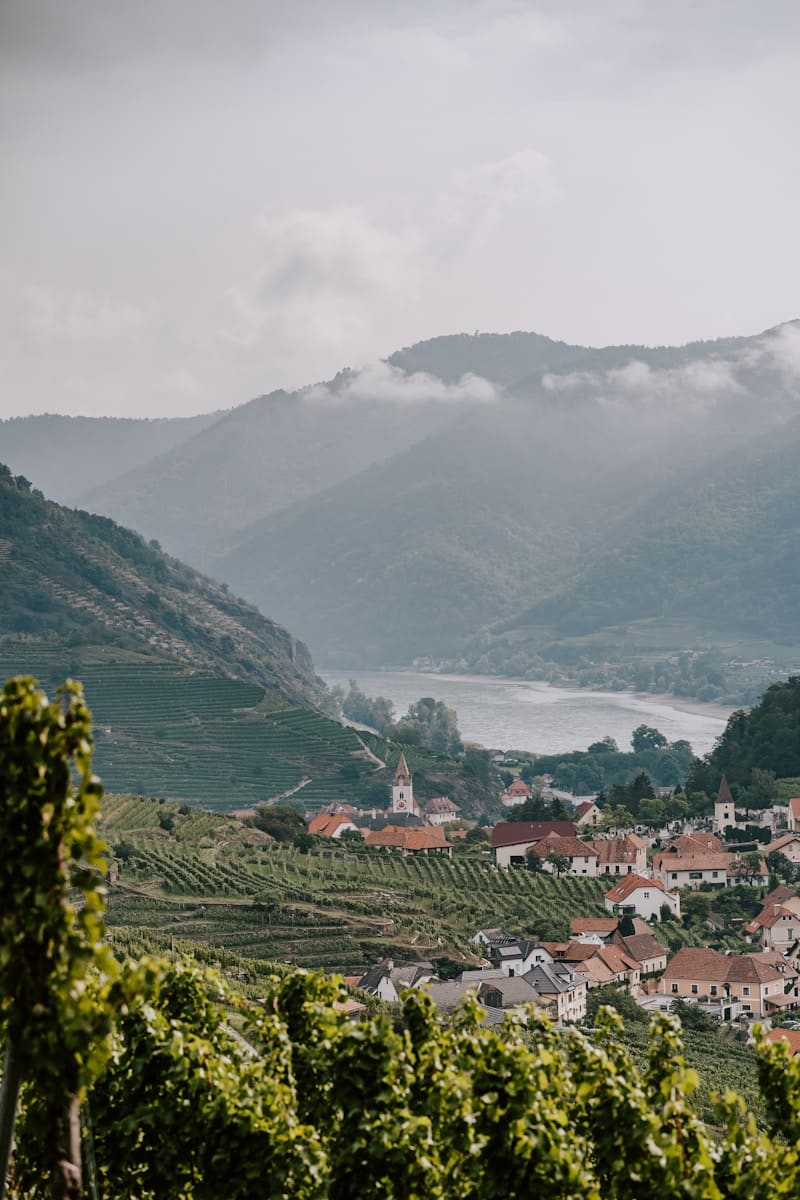
The Wachau Valley, between Melk and Krems, is one of Austria’s most beautiful river landscapes. The Danube flows through steep vineyards, small baroque towns, and quiet villages that have preserved their character for centuries. For anyone who enjoys relaxed cycling, good wine, and historic scenery, this route is ideal.
Covering about 40 kilometers, the ride follows a flat, well-marked path that runs along both sides of the Danube. It’s part of the EuroVelo 6 route and is one of the most accessible cycling trails in the country. Riders can rent bikes in Melk and travel east to Krems, stopping at wineries, cafés, and cultural sites along the way. Many bike tours in Austria operators include this section as part of longer cycling holidays.
Starting in Melk
Most riders begin in Melk, a small town best known for its baroque Benedictine Abbey. Before starting your ride, it’s worth visiting the abbey’s library and museum or simply walking through its gardens, which overlook the Danube.
Once you’re on the path, the ride out of Melk is calm and easy. The Danube here is broad and still, and the route passes orchards and vineyards. Depending on the time of year, you’ll see workers pruning vines or harvesting apricots, one of the valley’s main crops.
Through Spitz and Wösendorf
About halfway through the valley lies Spitz, one of the most attractive villages along the river. The vineyards rise steeply above the town, planted in stone terraces that have been maintained for generations. The local specialties are Grüner Veltliner and Riesling — crisp white wines that pair perfectly with local food.
Many cyclists stop here at a Heuriger (wine tavern) for a short break. These small, family-run spots offer wine tastings and simple dishes such as smoked trout, cheese, and fresh bread. They open only during the season when the new wine is ready.
Continuing east, the path passes smaller villages like Wösendorf and Joching. This part of the ride alternates between shaded lanes and riverside stretches, with views of vineyards, church towers, and castles.
Dürnstein — The Wachau Landmark
Dürnstein is the most famous town in the Wachau and an essential stop. Its blue-and-white church tower is visible from miles away and has become a symbol of the valley. The town itself is compact and easy to explore, with cobbled streets, wine shops, and small art galleries.
A short hike above the village leads to the ruins of Dürnstein Castle, where Richard the Lionheart was imprisoned in the 12th century. The climb takes about 20 minutes and offers panoramic views over the Danube and the surrounding vineyards.
Back in the village, try a glass of local Riesling or an apricot schnapps. Apricots (Marillen) are everywhere in the Wachau — used in jams, pastries, and liqueurs.
Crossing the Danube
Cyclists can easily switch between the north and south banks of the river using small ferries that operate at several points. The crossings are short and inexpensive, and they make it easy to tailor your route.
Many riders start on the south bank in Melk, cross to the north at Spitz, and finish in Krems. The northern side passes through Weissenkirchen, another wine-producing village with several scenic viewpoints. Stop at the parish church terrace for a view over the valley, or visit one of the local wineries for a tasting.
Finishing in Krems
Krems, at the eastern end of the valley, is larger than the other Wachau towns but still walkable and relaxed. It’s known for its old town, modern galleries, and good restaurants. The Kunstmeile Krems (Art Mile) includes several museums, such as the Kunsthalle and the Karikaturmuseum, which often host temporary exhibitions.
After finishing your ride, explore the pedestrian streets or relax at a café in the old town. Many visitors celebrate the end of their cycling day with a hearty meal — roasted pork with dumplings, schnitzel, or apple strudel.
When to Visit
The Wachau can be enjoyed from spring through autumn. In April, the apricot trees bloom, and the valley is covered in white and pink flowers. Summer brings warm weather and long days, ideal for swimming in the river or stopping for lunch outdoors. Autumn is harvest time, when the vineyards turn golden, and wine festivals fill the villages.
Even in winter, the area retains its charm, with mist over the river and quiet taverns offering seasonal dishes and mulled wine. The Wachau’s careful preservation of its landscape and culture has earned it UNESCO World Heritage status.
Guided and Self-Guided Tours
Cyclists can easily explore on their own, but joining an organized ride can simplify logistics. Many cycling holidays in Austria packages include the Wachau as part of a longer itinerary along the Danube Cycle Path. Tours often include ferry crossings, accommodation, luggage transfers, and guided tastings.
Some extend the route beyond Krems to Vienna or Bratislava, connecting multiple sections of the Danube trail. It’s an efficient and comfortable way to experience both Austria’s landscapes and its food and wine culture.
Why the Wachau Works for Cyclists
The Wachau offers everything that makes Austria ideal for cycling: well-maintained paths, scenic variety, and plenty of places to stop and rest. The distances are short, the views are constant, and the mix of history, wine, and relaxed hospitality makes the experience rewarding for riders of all levels.
By the time you reach Krems, you’ll have covered only 40 kilometers — but you’ll have seen vineyards, abbeys, castles, and the Danube from every angle. Whether part of a longer bike tours in Austria itinerary or a day trip from Vienna, this route captures the essence of cycling in Austria: easy, scenic, and deeply satisfying.





2 comments
Loved the idea of a cycling tour through Wachau’s vineyards! Have you considered mixing in some local culinary experiences along the route? Food and wine pairings are such a treat.
The Wachau Valley ride looks amazing! Cycling through vineyards, historic towns, and along the Danube seems both relaxing and scenic. Stopping in small villages and enjoying the views makes it even more memorable. Definitely adding this to my travel list!