
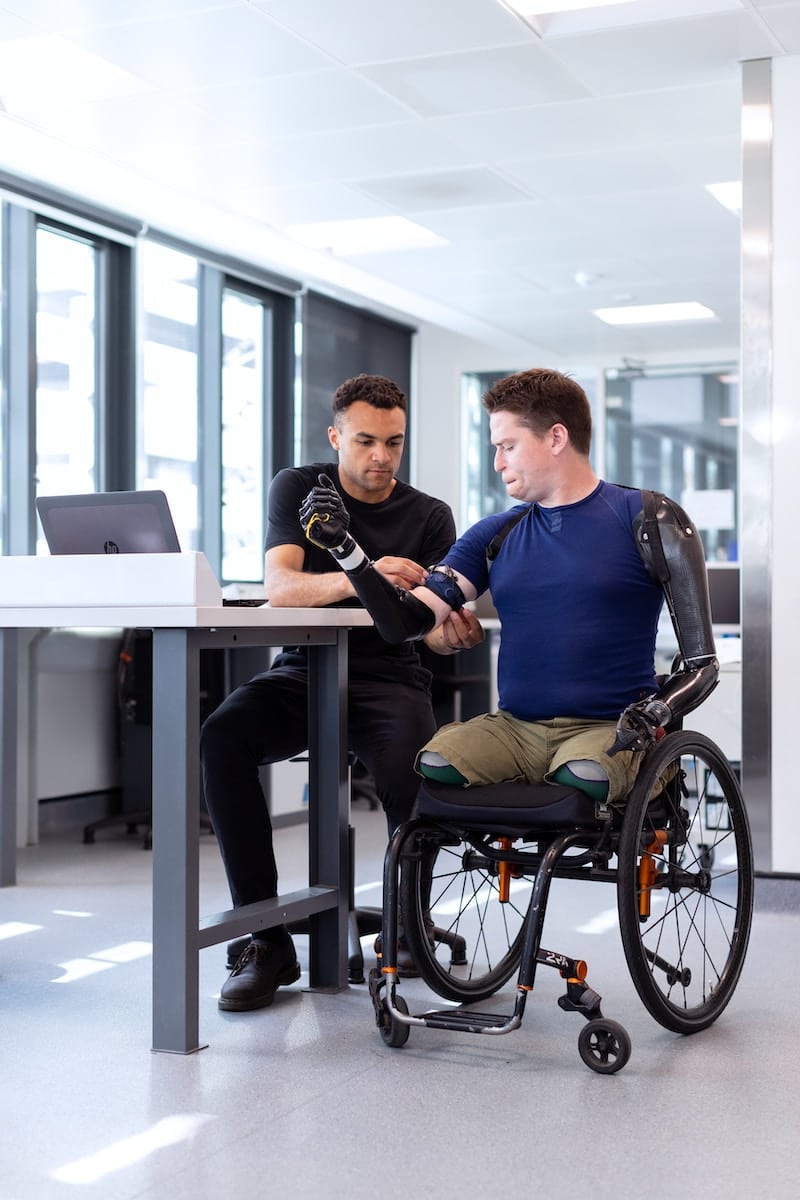
 Medical device manufacturing has come such a long way, but the point of this article is not to dissect vintage, sometimes scary, antiquated instruments. Frankly, naming iron lungs and the use of leeches as medical devices may make you shudder, yet they are some of the milder ones that could be used as examples. Take a moment to consider the wheelchairs you see today. Many of them are highly modernized motor wheelchairs and have added functionality to improve quality of life for its user. Often, wheelchair users also have a stair lift in their home that carries them up flights of steps as well. While the first stair lift was actually invented in the 1500s, a king was the only user of it. The precursor to the lifts that we see today came about in the 1920s and was not really popularized until the 1990s.
Compare the modern stairlift and the motor wheelchairs to the typical wheelchairs you may see in old-fashioned movie settings – really just a basic household chair with wheels on it. Typically made of wood, these antique versions were far less comfortable, more difficult to use, and fell into disrepair more quickly. The improvement on wheelchairs is just one common example of the advances of devices in the medical field over the years.
An underrated element of the miracle of modern medical manufacturing is the process of globalization. In short, medical devices require precision skills to make and thus require a highly skilled workforce. Coupled with the fact medical costs for patients is capped in many countries, the ability for companies to hire skilled workers abroad and ship the finished product back is essential. Medical device manufacturers in Mexico, for example, are quickly learning what is a maquiladora and using it their advantage.
There are endless examples of advantages that we have today in the medical field, even those that the common person may use. Many things that we would not have begun to imagine of a few decades ago have already been converted to handheld devices, such as diabetes testing, alert alarms for seniors, handheld massagers, and even portable ultrasound devices.
The manufacturing systems, much like the medical devices used today, are a wonderful advancement that is likely taken for granted. Ensuring public health, the United States and other countries have specifications in place for manufacturing devices for medical use. Devices are divided into three main classes and categorized by complexity and possible hazards. Class I poses little threat to the user and can include devices from bandages to hearing aids. Class II contains similar products with slightly higher risks, typically categorized when the previous controls in place were not sufficient enough to guarantee safety. Class III is generally devices that are the highest risk and often have not before been marketed.
The Federal Drug Administration is also in place to keep us safe from hazardous devices being sold under the guise of technology developing health and healing. The broad range of devices that are regulated by the FDA includes everything from those that are high-risk, right down to tongue depressors. Each medical device must be cleared by the FDA by having information provided that it is both safe and effective. Also, medical devices should be registered before being imported, let’s take Singapore for example, where medical device product registration in Singapore is overseen by the Health Sciences Authority (HSA), before being imported and placed on the market. Also, getting devices approved in places like Singapore there are no requirements for home country approval.
In the United States, the medical device industry is actually one of the largest markets. We also rely on foreign countries for medical equipment, with the healthy competition of all countries leading to more innovation possible than ever before. All over the world professionals are making new advancements every day, creating a cultural community of quality and innovation that benefits us all.





1 comment
Technology alone will not solve the problems facing healthcare worldwide. But even a person can no longer cope on his own, so it is necessary to create a balance between the introduction of technology into our lives and the preservation of human relationships between the patient and the doctor. Learn more about pet oxygen chamber here