
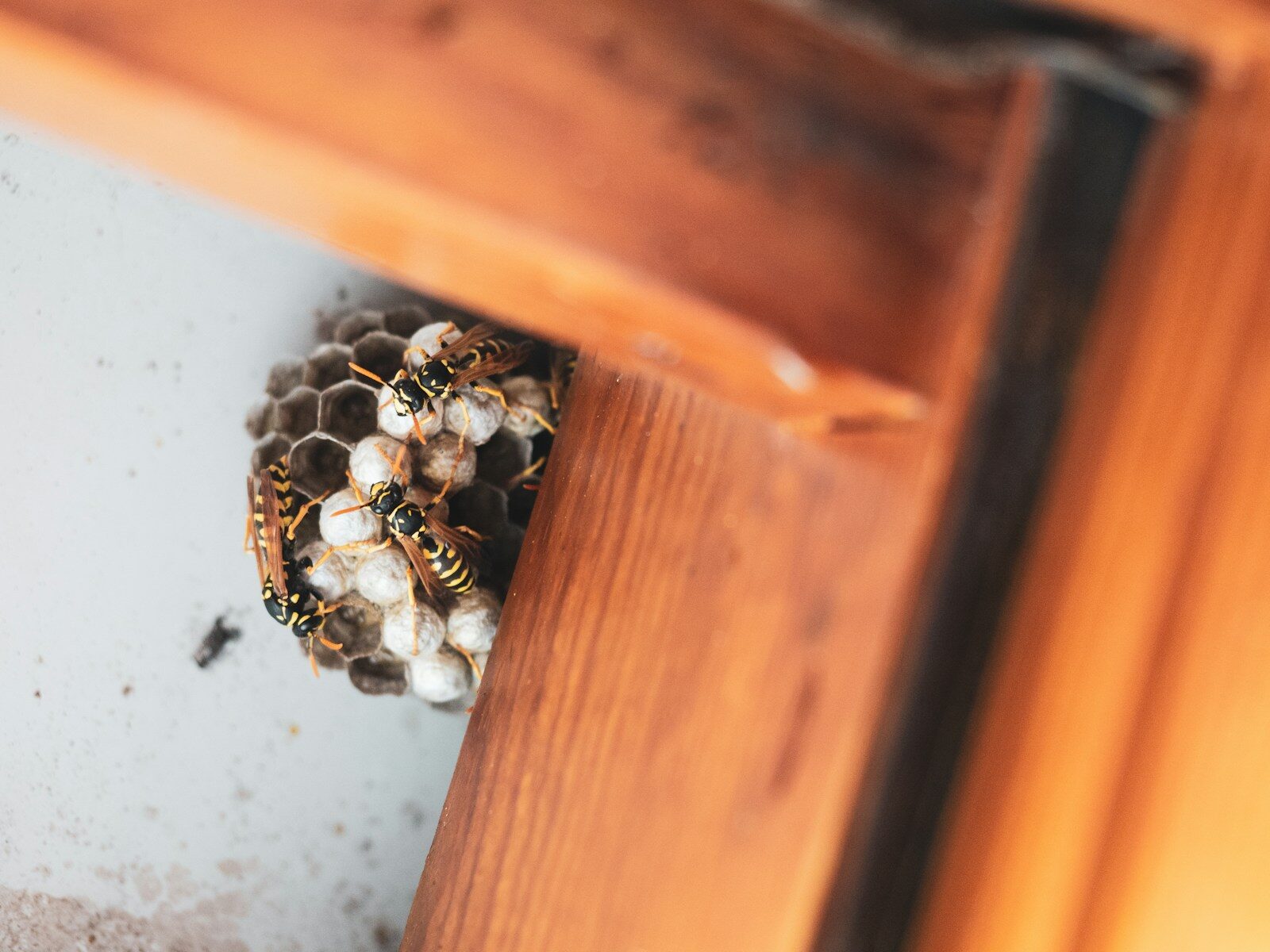
 Pests are not merely annoying; they pose genuine threats to both our living spaces and health. The presence of pests in one’s home can lead to significant structural and financial damage, as well as health complications for the inhabitants. Understanding the impact of pests and how to manage them effectively can help maintain a safe and healthy living environment. Delving into the intricacies of pest behavior, their impact on our surroundings, and the strategies for their control can empower homeowners to effectively tackle these unwelcome intruders.
The Impact of Rodents on Health and Home
Rodents are common invaders in our homes and serve as carriers for numerous diseases. They are notorious for spreading over 35 different illnesses, such as Salmonellosis, Hantavirus, and the plague, as reported by Pestworld.org. These diseases can be transferred to humans through direct contact or indirectly through contaminated food and surfaces. The risk extends beyond the obvious health threats; having rodents in the home can exacerbate respiratory issues, especially for those with pre-existing conditions.
Aside from health risks, rodents can cause considerable damage to your home. Their incessant gnawing can ruin electrical wiring, leading to potential electrical malfunctions and fire hazards. Furthermore, they damage insulation and other structural components as they create nests within walls and attics. This dual threat makes rodent control a critical factor in home maintenance. Preserving the structural integrity of your home and ensuring a safe living environment compels homeowners to adopt a comprehensive approach to managing these pests.
Efforts to manage rodent infestations should include sealing entry points, maintaining cleanliness, and calling in professional pest control services when necessary. By doing so, homeowners can protect both their health and their property investment from the destructive capabilities of these pests. Proactivity in addressing rodent issues not only curtails immediate threats but also prevents future infestations.
Cockroaches: More Than a Nuisance
Cockroaches are a common pest found in households worldwide; however, only about 30 out of the 4,600 known species are typically found in human environments. This insight from global studies on cockroach species highlights the specific ones homeowners should be concerned about. Their presence is a sign of poor sanitation and can lead to various health problems. Cockroaches thrive in unhygienic conditions, making it imperative for homeowners to maintain cleanliness to deter them.
Cockroaches are known for triggering allergies and asthma, especially in children. The allergens found in their body parts and droppings can be highly irritating. Moreover, they carry pathogens that can lead to diseases such as gastroenteritis, further escalating their threat to household health. Their nocturnal nature often keeps them out of sight, making early detection difficult yet crucial.
To effectively manage cockroach infestations, it is vital to maintain a clean home, reduce moisture, and eliminate food sources. Regular inspection and pest control interventions can also be effective strategies in keeping these pests at bay. The use of integrated pest management techniques—combining cleanliness, structural repairs, and chemical treatments—can play a significant role in ensuring a healthier home environment.
The Destructive Nature of Termites
Termites are often considered one of the most destructive pests when it comes to property damage. According to Consumer Affairs, termites cause over $5 billion in damages each year. These silent destroyers feed on wood, undermining the structural integrity of homes and causing costly repairs. Their ability to devour wood unnoticed for long periods makes them particularly dangerous.
Their ability to go unnoticed for extended periods contributes to the significant damage they cause. Homeowners often discover an infestation only after it has severely impacted property stability. The replacement and repair costs associated with termite damage highlight the importance of early detection and intervention. Professional inspections, often involving the use of advanced tools and techniques, can identify problems before they escalate.
Preventative measures are crucial in termite control. Regular inspections by professionals, moisture control, and barriers can help protect your home from a termite invasion. By prioritizing termite prevention, you can secure your investment and maintain a safe living environment. Recognizing the signs of termite activity—such as mud tubes, hollow-sounding wood, and discarded wings—can alert homeowners to take swift action.
Pests are a serious concern that can affect both the structural safety of your home and the health of its residents. With knowledge and proactive measures, these threats can be managed effectively. Understanding the role and impact of different pests, from rodents to cockroaches to termites, equips homeowners with the tools needed to safeguard their homes and maintain a healthy, secure environment. The importance of vigilance, regular maintenance, and professional pest control cannot be overstated in the collective effort to keep homes pest-free.