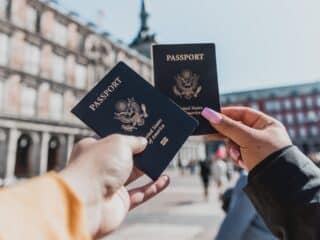
 With restrictions put in place as a result of COVID-19, people across the globe have been forced to cancel their vacations both nationally and even overseas due to the closure of borders. However, with restrictions now starting to lift, more and more people are choosing to take a much-needed break away for either work or leisure purposes. If you’re worried about staying healthy while traveling this year, this guide will give you some helpful pointers to take into consideration to ensure you’re well-prepared for all situations that could potentially occur. Here are four useful tips:
1. Vaccines and medications
Before traveling abroad, you’ll need to carry out research to find out whether you need to be vaccinated or take the relevant medications to protect you against diseases within certain countries. Some of the most common illnesses to be aware of and to be protected against include malaria, cholera, Hepatitis A and Hepatitis B. If you’re unsure which treatments you need, it would be wise to speak to your doctor who will give you guidance on how to protect yourself against diseases while traveling abroad. You will likely need to make this appointment a few months before your travel date, as some vaccinations require multiple injections to be effective.
2. Book in procedures for existing health complaints
If you have an existing health complaint that can be resolved, it would be wise to do so before you travel. Although you may take out health insurance, there is a chance it may not cover you financially if anything were to go wrong while overseas. With this in mind, it would be in your best interests to undergo any procedures you have been waiting on to ensure you’re in full health before you travel. If you’re suffering from blurry vision, for example, and it’s causing you distress, it may be the case that you have cataracts. This can be easily resolved with PanOptix® lens and cataract surgery to restore your vision to its former state.
3. Keep yourself protected in the sun
If you’re planning on visiting a hot country, ensure you have considered how to keep yourself safe when exposed to the sun for long periods of time. Always wear a hat to shelter your head from extreme heat and always ensure you are carrying a water bottle to prevent dehydration as a result of sweating. Failing to do so could lead to sunstroke, which can be extremely dangerous, or even skin cancer later on in life after continuous exposure to the sun’s rays.
4. Food and water precautions
Travelers diarrhea is a stomach infection that is often caused by eating food or drinking beverages that the individual isn’t used to. However, it may also be caused by bacteria that have contaminated the food and can become serious if not treated. Therefore, it’s important to be aware of where you’re choosing to eat while on your travels and to practice good hygiene, such as washing your hands regularly.