 If you’re lifting to build muscle, a practical daily target is about 1.6 grams of protein per kilogram of body weight. For most people who strength-train, roughly 1.4 to 2.0 grams per kilogram per day is a reasonable range. Research suggests benefits tend to level off around 1.5 to 1.6 grams per kilogram, so eating far more is unlikely to deliver extra muscle by itself.
What That Looks Like
To convert pounds to kilograms, divide body weight by 2.2, then multiply by 1.6. At 150 pounds, that works out to about 109 grams per day; at 180 pounds, about 131 grams. These are useful starting points, not exact requirements. Training experience, age, calorie intake, and consistency all affect the bigger picture. If a convenient snack helps fill a gap, 1st Phorm protein bars are one option, though ordinary foods can meet the same need.
Protein Supports Training, It Doesn’t Replace It
Protein supplies amino acids that help repair and build muscle tissue after training. However, more protein won’t compensate for workouts that don’t challenge the muscles, inadequate recovery, or too little overall food. Progressive resistance training, where the challenge increases over time, is the main signal for muscle growth. Protein helps support the response. The International Society of Sports Nutrition position stand describes daily protein intake of 1.4 to 2.0 grams per kilogram as sufficient for most exercising people.
Spread It Across The Day
Rather than saving most of the day’s protein for dinner, include a meaningful source at each meal. Aiming for around 20 to 40 grams at a meal is a practical guide for many adults, though body size and age matter. Protein before or after a workout both fit; there’s no need to rush a shake the moment a session ends. The Harvard Health overview of protein needs recommends spreading intake through meals and snacks instead of relying on one large serving.
Choose Foods That Fit
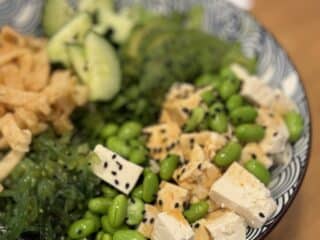
Chicken, fish, eggs, dairy, tofu, beans, lentils, nuts, and whole grains all contribute protein. Animal foods and soy provide complete protein, meaning they contain all essential amino acids; a varied mix of plant foods can also supply them over the course of the day. Supplements are optional, not required. A shake or bar may be useful when a meal isn’t practical, but check the label for protein per serving, calories, and added sugars. Whole foods also bring nutrients beyond protein, including fiber from beans and micronutrients from vegetables and dairy.
Adjust For Your Goal
During a calorie deficit, preserving muscle while losing fat may take more attention to protein and resistance training. The upper part of the usual range may suit some people, but simply pushing intake higher is not a guarantee of better results. If body weight is much higher than a comfortable target, calculating from current weight may produce an impractical number; consider using a clinician or registered dietitian to set an appropriate goal.
A Simple Starting Plan
Estimate a daily target near 1.6 grams per kilogram, divide it among three or four meals, and track intake for several days to see how close typical eating gets. Adjust portions gradually, keep training progressive, and allow enough sleep and recovery. If you have kidney disease, another relevant medical condition, or specific dietary restrictions, ask a healthcare professional for individualized guidance before making a substantial change. The best target is one that supports training and can be maintained without making eating feel like a full-time job.