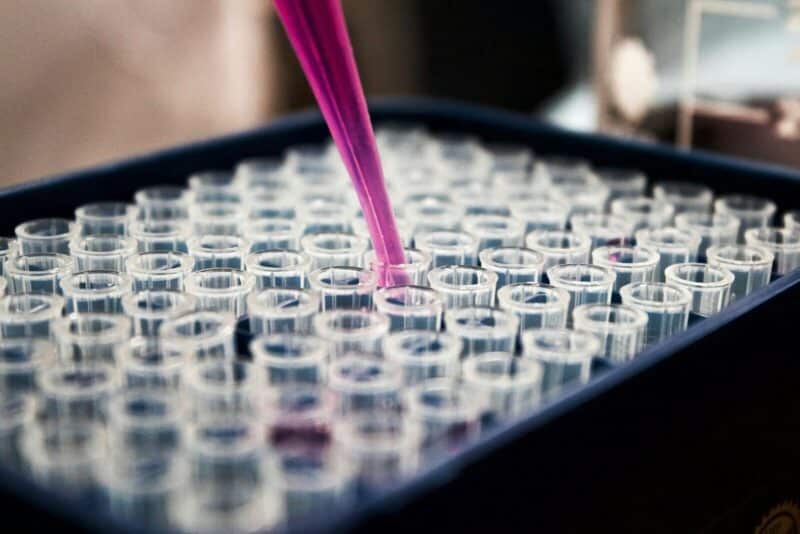
Scientific innovation plays a critical role in shaping the health and well-being of people across the globe. Advances in science and technology continue to transform how diseases are understood, prevented, and treated. Without ongoing research and innovation, healthcare systems would struggle to respond to new challenges, emerging diseases, and evolving patient needs.
From the discovery of life-saving medications to the development of advanced diagnostic tools, scientific progress has consistently improved the quality of life. Innovations allow healthcare professionals to detect illnesses earlier, deliver more precise treatments, and better understand how diseases develop. These improvements are essential not only for treating illness but also for preventing it before it becomes widespread.
A healthier world depends on the ability of scientists, laboratories, and researchers to continuously explore new ideas. Every breakthrough builds on years of research, collaboration, and experimentation, ultimately leading to safer and more effective healthcare solutions.
Advancing Disease Detection and Diagnosis
One of the most important contributions of scientific innovation lies in the advancement of diagnostic capabilities. Early detection is often the key to successful treatment, especially when it comes to complex diseases such as cancer, autoimmune conditions, and infectious diseases.
Modern laboratory techniques allow researchers and clinicians to identify biological markers that indicate the presence of disease long before symptoms appear. These innovations enable healthcare providers to intervene earlier, which can significantly improve patient outcomes. Diagnostic technologies also help ensure that patients receive treatments that are specifically tailored to their conditions.
Scientific innovation continues to improve the speed, accuracy, and accessibility of testing. As new technologies emerge, laboratories are able to process larger volumes of data while maintaining precision. This combination of efficiency and reliability helps healthcare systems respond quickly to both individual patient needs and large-scale public health challenges.
Strengthening Global Research Collaboration
Innovation in healthcare rarely happens in isolation. Scientific progress often depends on collaboration between research institutions, laboratories, and healthcare organizations around the world. By sharing data, expertise, and resources, researchers can accelerate discoveries and bring new treatments to patients faster.
Global partnerships allow scientists to tackle complex health challenges that no single organization could address alone. These collaborations are particularly important when dealing with emerging infectious diseases or developing vaccines for rapidly spreading illnesses. When experts work together across borders, knowledge spreads faster, and breakthroughs become more achievable.
Organizations such as Cerba Research play an important role in supporting scientific advancement by contributing expertise, infrastructure, and specialized laboratory capabilities that help drive medical research forward. Their work demonstrates how collaborative scientific environments can lead to meaningful progress in global health.
Supporting the Development of New Treatments
Scientific innovation is also responsible for the development of new therapies that improve patient care. Researchers constantly explore new ways to treat conditions that once had limited or ineffective treatment options. Through clinical trials and laboratory studies, scientists test new compounds, therapies, and medical technologies that may lead to safer and more effective treatments.
Breakthroughs in areas such as personalized medicine and targeted therapies are changing how healthcare providers approach treatment. Instead of using one general approach for all patients, modern medicine increasingly focuses on individualized care. By studying genetic information, biological markers, and disease pathways, researchers can develop treatments that work more effectively for specific patient groups.
These innovations not only improve survival rates but also enhance the quality of life for people living with chronic conditions. Patients benefit from treatments that are more precise, less invasive, and better suited to their individual needs.
Preparing for Future Health Challenges
The world continues to face evolving health threats, including new infectious diseases, environmental health concerns, and aging populations. Scientific innovation is essential for preparing healthcare systems to address these challenges effectively.
Research helps scientists understand how diseases spread, how they mutate, and how they can be controlled. This knowledge allows public health authorities to develop better prevention strategies, improve vaccines, and design more effective treatment plans.
Innovation also supports the creation of advanced technologies that strengthen healthcare infrastructure. Digital health systems, advanced laboratory equipment, and data-driven research tools allow scientists to monitor health trends and respond quickly to emerging risks.
Building a Healthier Future Through Science
A healthier world is built on the foundation of scientific discovery. Every new insight into human biology, disease mechanisms, and treatment strategies contributes to better healthcare outcomes for people everywhere. Scientific innovation allows researchers to push beyond existing limitations and explore new possibilities for improving health.
By investing in research, supporting collaboration, and continuing to explore new technologies, the global scientific community can develop solutions that benefit current and future generations. The ongoing pursuit of knowledge ensures that healthcare continues to evolve, bringing the world closer to a future where diseases are better understood, treatments are more effective, and people everywhere can enjoy longer, healthier lives.
The Healthy Voyager, aka Carolyn Scott-Hamilton, is the creator and host of The Healthy Voyager series, site, and overall brand. An award winning healthy, special diet and green living and travel expert, holistic nutritionist, plant based vegan chef, best-selling cookbook author, media spokesperson, sought after speaker, consultant and television personality, Carolyn Scott-Hamilton is a respected figure in the world of healthy lifestyle and travel as well as special diet cooking and nutrition. The Healthy Voyager aims to help people live well, one veggie at a time!
This website uses cookies to improve your experience. We'll assume you're ok with this, but you can opt-out if you wish.AcceptRead More
Privacy & Cookies Policy
Privacy Overview
This website uses cookies to improve your experience while you navigate through the website. Out of these, the cookies that are categorized as necessary are stored on your browser as they are essential for the working of basic functionalities of the website. We also use third-party cookies that help us analyze and understand how you use this website. These cookies will be stored in your browser only with your consent. You also have the option to opt-out of these cookies. But opting out of some of these cookies may affect your browsing experience.
Necessary cookies are absolutely essential for the website to function properly. This category only includes cookies that ensures basic functionalities and security features of the website. These cookies do not store any personal information.
Any cookies that may not be particularly necessary for the website to function and is used specifically to collect user personal data via analytics, ads, other embedded contents are termed as non-necessary cookies. It is mandatory to procure user consent prior to running these cookies on your website.

 Scientific innovation plays a critical role in shaping the health and well-being of people across the globe. Advances in science and technology continue to transform how diseases are understood, prevented, and treated. Without ongoing research and innovation, healthcare systems would struggle to respond to new challenges, emerging diseases, and evolving patient needs.