 When dental problems pile up, like missing teeth, cavities, gum diseases or problems while chewing food. That’s where full mouth rehabilitation comes into the picture.
This treatment addresses both the function and beauty of your smile. It rebuilds and restores teeth in both upper and lower jaws.
What is full mouth rehabilitation?
Full mouth rehabilitation involves a combination of restorative and cosmetic procedures. Its main aim is to design a smile that improves how your teeth look, feel and function. It considers a range of issues like the teeth that are worn, discoloured, broken or missing. Challenges posed for misaligned bites or age old dental work.
The treatment journey
Here’s how it will go at the dental clinic for you:
- Comprehensive Examination
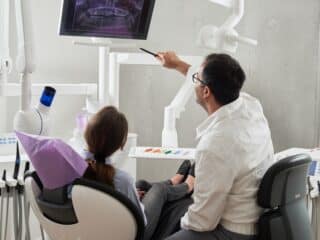
Your dentist begins with a thorough checkup of your oral health. They diagnose everything from your teeth and gums to your alignment. They will ask you a few questions to come to a diagnosis.
- X-rays
Following a thorough oral examination, you will undergo X-rays or dental impressions that help the dentist understand. And make a treatment plan precisely. - A treatment plan
The dentist will discuss your problems and solutions. This will address your pain relief and a brighter smile. They will lay out a full plan that might include a set of procedures like extractions, dental implants, crowns & bridges, orthodontics and periodontal therapy. - Phased Treatment Approach
Instead of doing all the treatments at once, they are done in stages. This gives an effective and safe result. - Team Approach
All the treatments are planned and executed carefully by a group of specialists. Orthodontists, oral surgeons or periodontists may join the team.
- Recovery & Follow-Up
Throughout the treatment your recovery is monitored. Wherever needed adjustments are made along the way. - Maintenance & Aftercare
Going for regular check-ups while maintaining good oral hygiene will help preserve your new smile for a longer time.
Treatments in Full Mouth Rehabilitation
Here are some of the most common treatments that come under full mouth rehabilitation:
- Dental fillings: Fix minor cavities or chips using tooth coloured material.
- Dental crowns & bridges: They cover missing or damaged teeth. To strengthen and restore the natural tooth and its functions. These replace missing teeth using artificial teeth.
- Dental Implants: These are titanium roots that are surgically placed into the jawbone. These are permanent solutions to missing teeth. They support crowns, bridges or dentures. Making it durable and long-lasting.
- Root canal treatment: When the decay is extensive, the infected tissue is removed to save the tooth from extraction. As the tooth becomes weak, it is covered by a dental crown.
- Inlays/ Onlays: These are prosthesis that are built in the dental laboratory. To repair moderate damage from cavities or chips. These are custom-made and then bonded in place.
Whatever your concern may be, your dentist is the right person to decide which treatment will suit you the best. Since it is for your long-term oral health, the brands you choose for dental implants or dental crowns should be chosen after thorough research and reviews.
Brands like Illusion Zirconia Dental Crowns are the most popular choice for dentists. They look and feel natural while giving your smile the strength it needs.
Benefits of Full Mouth Rehabilitation
- Improved function
- The main aim of this treatment is to regain your ability to chew, speak and smile confidently again.
- Natural aesthetics
- A better aligned and healthy looking smile can improve your confidence and the way you present yourself.
- Long-term oral health
- By solving issues like decay, gum disease and structural issues. You are preventing more complex problems and longer bills.
Full mouth rehabilitation recovery tips:
Like any significant procedure, recovery takes time. Here are a few tips to follow to recover better:
- Follow your dentist’s recommendations. Like medications, dietary instructions or oral hygiene protocol.
- Your body needs time to heal and get back to functioning. So, take plenty of rest during your recovery period. Avoid activities that can increase your blood pressure or delay healing.
- Avoid smoking and alcohol.
- If there are any signs of complications, visit your dentist.
- Follow-ups are the most important during the treatment.
- It’s easy to feel impatient when you have invested so much time and money. But patience is the key when it comes to your health. Everyone’s recovery time and process are different. For some the healing will take a few weeks while for some it may take months.
Remember your new smile will be worth the wait and the investment you make.
Is full mouth rehabilitation right for you?
In case dental problems are overwhelming your life. Making it hard to speak, eat or smile without discomfort or embarrassment. This treatment could be the solution. It is not only about cosmetic changes, but it also focuses on your overall quality of life.
Conclusion
Full mouth rehabilitation is a way to renew not only your smile but also your oral health and confidence. With the advancements in dentistry and customised treatment plan, you can enjoy a healthier, happier mouth. Smile again with pride. If these dental issues hold you back, consider talking to a specialist. A radiant smile could be just a plan.