 Taking care of yourself involves more than an occasional check-up or a few days off. It’s about making practical choices that support every part of your life, like your body, your thoughts, and your ability to bounce back from stress or setbacks. Many people today are turning toward tools and strategies that help them build a solid support system for themselves. One of the most important parts of this system is knowing how to prepare for unexpected events. Having the right support in place, whether it’s about finances, care options, or basic services, helps you move forward with clarity and confidence.
Here’s how you can take care of your overall health:
Understand Where You Are Now
Before you begin making any changes, it helps to stop and reflect. What’s going well? What could use some attention? Write down your daily routines, how you feel throughout the day, and what habits are getting in your way. Try to be honest, not critical. This kind of reflection helps you understand your current situation and what direction makes sense next. Some people use basic trackers or apps, but even a notebook works. You don’t need to fix everything at once. Just start with knowing where you stand.
Protect Your Future with Smart Coverage
A key part of taking care of yourself involves being ready for life’s unexpected turns. Accidents, health concerns, and sudden needs can create major setbacks if you’re not prepared. That’s where thoughtful planning makes a difference. Online platforms and companies can help you explore insurance options quickly and with less stress. They provide access to a wide range of support services, including auto, home, life, and renters coverage. You can compare plans, get quotes in minutes, and learn which options are best for your needs, all online, without phone calls or waiting around.
Online platforms can help you explore coverage options, bundle policies, or adjust coverage levels depending on what’s changing in their lives. For instance, if you’re moving, switching jobs, or building a family, having flexible tools helps you stay in control. Exploring these resources early makes it easier to protect what matters most. Finding the right coverage option should feel simple and practical, but not overwhelming. With digital tools and clear guides, this approach supports people in building stability now and in the long term.
Prioritize Regular Preventive Care
Instead of waiting until something feels wrong, make routine check-ins part of your schedule. Annual exams, dental cleanings, and eye tests catch early signs that something may need attention. Staying consistent helps lower risks over time. If you have a primary care provider or a local clinic, set a reminder for your next visit now, even if you’re feeling fine. These appointments give you space to ask questions, track changes, and get useful feedback without pressure.
Add Nutrient-Dense Foods to Your Diet
The way you eat plays a huge role in how you feel. Instead of extreme diets or cutting out everything you enjoy, aim for balance. Add more items like leafy greens, fruits, whole grains, and lean proteins to your meals. These options support energy, digestion, and immune function. Reduce processed food, added sugars, and takeout when possible. Cooking at home even once or twice a week makes a difference. If you’re unsure where to begin, speak with a registered dietitian. They can help build a plan based on your goals and preferences. No fads, just everyday choices that work for you.
Move Consistently, Not Perfectly
Movement helps with energy, focus, and overall function. You don’t need to follow a strict routine or spend hours in the gym. Instead, focus on regular activity that you can enjoy. Walking, yoga, dance, cycling, and even short bodyweight exercises at home are great options. The goal is progress, not perfection. Make movement fit into your day. Take the stairs, stretch in the morning, or take short walks after meals. If motivation is low, ask a friend to join you or use free videos for guided routines. The more consistent your movement, the more benefits you’ll notice over time.
Clear Your Mind with Small Daily Habits
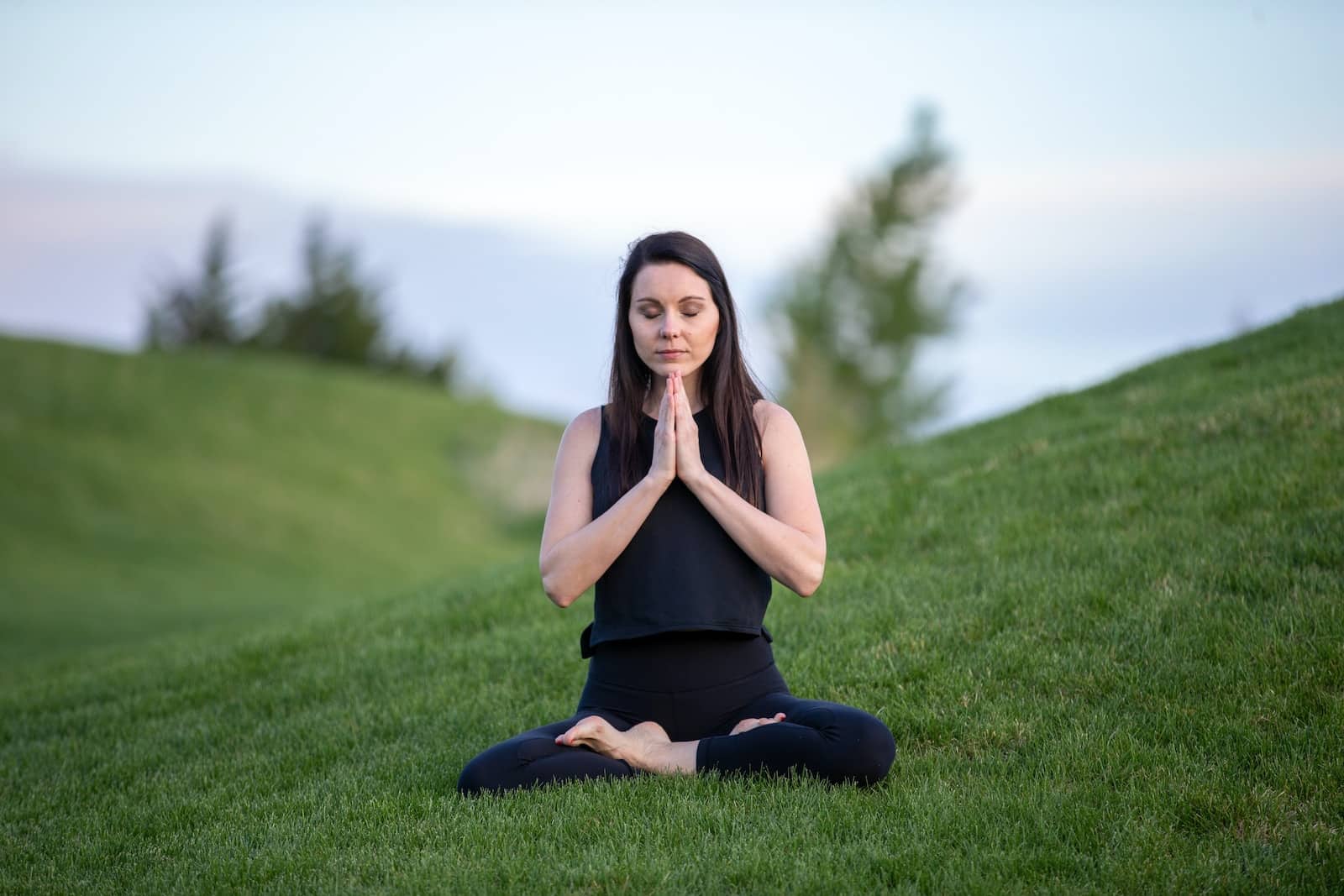
Many people overlook the importance of mental clarity. You don’t need long meditation sessions or expensive workshops to feel more balanced. Start by setting aside five to ten minutes each day to check in with yourself. That could mean journaling a few thoughts, breathing deeply before bed, or simply going outside without distractions. If you find your mind constantly racing, keep a notepad nearby to jot things down instead of trying to remember everything. Reducing mental clutter helps with decision-making and keeps stress from building up over time.
Build a Steady Sleep Routine
Sleep supports every system in your body. If you’re not getting enough, it becomes harder to focus, stay active, or stay calm during the day. Try to keep your bedtime and wake-up time consistent, even on weekends. Limit screen time before bed and avoid caffeine or heavy meals in the evening. Create a calming environment in your bedroom. Use blackout curtains, keep the space cool, and turn off notifications at night. Quality rest isn’t just about hours. It’s also about routine and setting the stage for real recovery.
Reduce Harmful Inputs in Your Environment
What surrounds you matters. This goes beyond the food you eat or how much you move. Toxic social media feeds, constant noise, and draining conversations can wear you down without you even noticing. Be selective about what you read, watch, and listen to. Unfollow accounts that make you feel inadequate. Pause before taking on tasks that aren’t urgent. When you clean up your environment, you create more space for the things that actually lift you up. Small adjustments in what you allow into your day make a big difference in how you feel and function.
You don’t need to completely overhaul your life to feel better. Lasting change comes from consistent, manageable decisions. By checking in with yourself, planning ahead, and making room for new habits, you build the foundation for stronger, more stable routines. Use the tools around you, from movement and food to coverage that protects what matters most. With steady effort and the right support, moving from where you are now to where you want to be becomes possible.