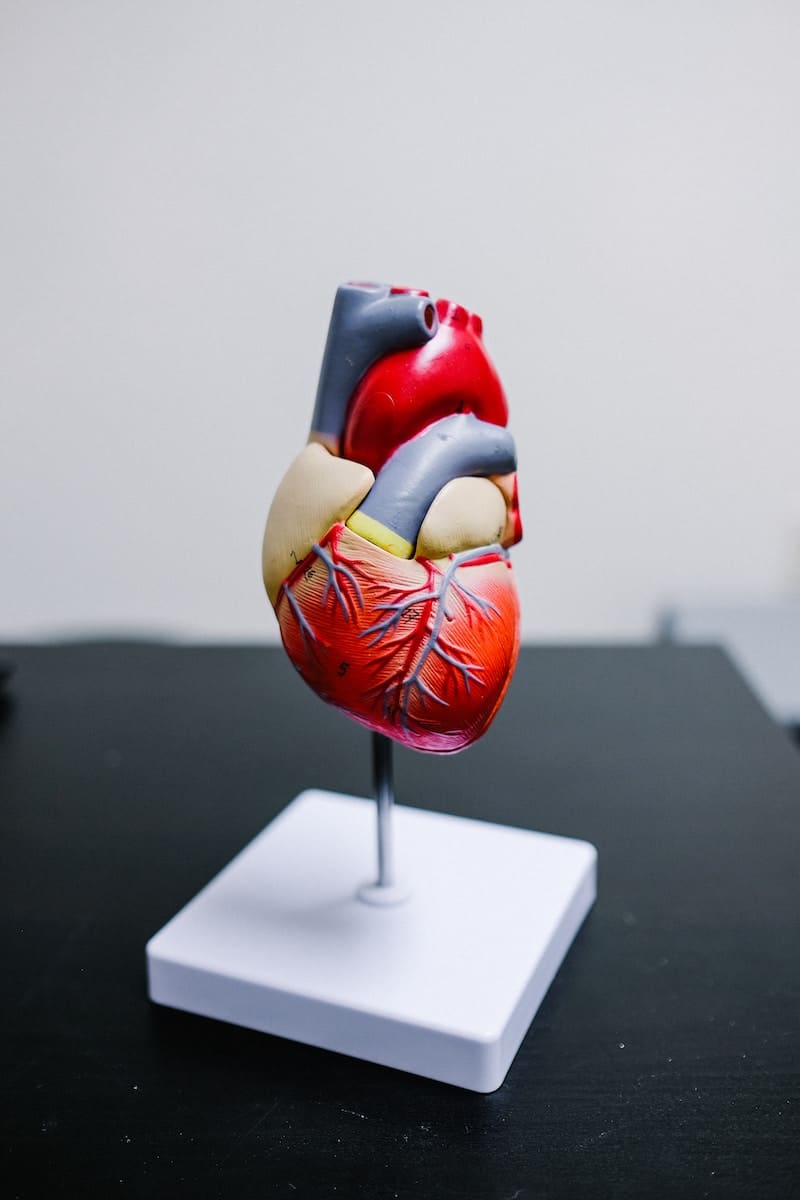
Heart disease or cardiovascular disease, a leading cause of death globally, continues to be a health concern. It’s a broad term that encompasses a variety of heart issues, from congenital defects to severe conditions like coronary artery disease and heart failure. Scientific research and advancements in healthcare have allowed for a more comprehensive understanding and better management of heart disease. Knowing about its symptoms, causes, and treatment options is critical in the fight against this deadly disease. Below, we delve deeper into these aspects, providing information on each one.
A Deeper Dive into Symptoms of Heart Disease
Heart disease symptoms vary widely and largely depend on the type of cardiovascular disease. Someone with coronary artery disease, for instance, might experience symptoms like chest pain, shortness of breath, and fatigue. These are often triggered by physical exertion or emotional stress. Heart arrhythmias, on the other hand, result in symptoms such as a fluttering feeling in the chest, slow or rapid heartbeats, and chest pain or discomfort. In some cases, heart disease may not exhibit noticeable symptoms until it has advanced to a serious stage, highlighting the importance of regular monitoring and check-ups, especially for individuals nearing middle age and beyond.
The complexity of heart disease means that its symptoms could also mimic other health conditions, leading to potential misdiagnoses. For example, heart attack symptoms like chest pain and shortness of breath are sometimes mistaken for severe heartburn or a panic attack. This can delay treatment, putting the person at greater risk. It’s always prudent to consult a qualified cardiologist, like this Los Angeles cardiologist, to accurately diagnose symptoms and rule out underlying heart conditions. Regular check-ups are needed even for people who don’t have a family history of heart disease.
As we age, our heart also ages, making it necessary to understand and recognize the range of symptoms linked to heart disease. This aids in early detection and immediate treatment, improving the prognosis and quality of life for those affected by heart disease.
Causes and Risk Factors of Heart Disease
Heart disease is caused by a combination of genetic and lifestyle factors. Some forms of heart disease, such as congenital heart disease, are present at birth due to genetic abnormalities. Similarly, some people may be genetically predisposed to developing certain types of heart disease later in life. Environmental factors and lifestyle choices contribute to the development of heart disease.
Unhealthy lifestyle habits such as lack of physical activity, poor diet, tobacco use, and excessive alcohol consumption can lead to conditions that increase the risk of heart disease, including high blood pressure, high cholesterol levels, and obesity. Chronic diseases like diabetes and kidney disease also hike up the risk. Other risk factors are outside a person’s control, like advancing age and having a family history of heart disease. There is also growing evidence showing that prolonged exposure to stress and depression can lead to an increased risk of heart disease.
Prevention: The Key to a Healthy Heart
Treating heart disease can be complex and often requires long-term management. That’s why prevention plays a major role in combating heart disease. As the adage goes, prevention is better than cure. In the context of heart disease, adopting a heart-healthy lifestyle can help prevent or slow the progression of heart disease.
One integral part of preventing heart disease involves regular exercise, which keeps the heart strong and healthy. A diet rich in fruits, vegetables, and whole grains, supplemented with lean proteins and low-fat dairy products, also supports heart health. It’s advisable to limit your intake of salt and sugary drinks, as these can contribute to conditions that increase your risk of heart disease, such as high blood pressure and obesity.
Another essential component in preventing heart disease is maintaining a healthy weight, as obesity can increase the risk of developing heart disease. For smokers, quitting smoking is perhaps the single most effective way to prevent heart disease as tobacco use increases the risk of heart disease drastically. As previously mentioned, regular health screenings with a top cardiologist can detect potential issues early, helping to prevent the onset of heart disease or manage it when detected.
Diagnosis of Heart Disease: What to Expect
Diagnosing heart disease involves a range of tests depending on the specific heart condition. A cardiologist may begin with a physical examination and inquire about your medical history, as well as what symptoms you’re experiencing. Tests include blood tests that can reveal inflammatory markers, cholesterol levels, protein levels, and signs of anemia that could indicate heart disease. Other non-invasive tests include electrocardiograms (ECGs) and echocardiograms, which can reveal the heart’s electrical activity and provide an image of the heart, respectively.
Imaging tests such as a CT scan, MRI, or nuclear scan could be used depending on the specific heart condition. Cardiac catheterization, a more invasive test, may be used to check the inside of your arteries for blockage by injecting a dye into the arteries through a catheter and then taking X-ray images. A biopsy of the heart muscle might also be performed in rare cases.
Arriving at an accurate diagnosis may take a combination of several tests and require the expertise of a skilled cardiologist.
Proven Treatments for Heart Disease
The treatment for heart disease depends largely on the type of heart condition. Treatments can vary from lifestyle modifications and medications to surgical interventions. For example, coronary artery disease might be managed with lifestyle changes, medications, or procedures like angioplasty, coronary artery bypass surgery, or minimally invasive heart surgery. Arrhythmias might require the use of pacemakers or implantable cardioverter-defibrillators. Heart failure could necessitate a combination of medications, lifestyle changes, devices, and heart transplants in extreme cases.
Congenital heart defects might be corrected with surgery, particularly if they’re life-threatening or are causing significant symptoms. With the advancements in medical technology and treatments, the prognosis of heart disease has substantially improved over the years. That said, living with heart disease can still pose certain challenges, hence the value of a comprehensive treatment plan that takes into account the patient’s quality of life.
Coping with Heart Disease: Practical Tips
Living with heart disease can seem daunting, but with the right resources and support, you can cope with the condition. A key part of managing heart disease involves coming to terms with the diagnosis, educating yourself about your condition, and participating actively in your care. This can help reduce anxiety and foster a sense of control over the disease. Maintaining a healthy lifestyle is equally important for managing heart disease.
Regular exercise within your capacity, a healthy diet, adequate sleep, and abstaining from harmful habits like smoking and excessive drinking can make a difference. Ensuring that you take your medications as prescribed is also crucial. Beyond these, it can be helpful to cultivate a support system of friends and family members who understand and empathize with your condition. Joining a support group for people with heart disease can also offer comfort and practical advice, helping you to cope better.
Cardiac Rehabilitation
Cardiac rehabilitation, an often-underemphasized part of heart disease management, is a structured program designed to help patients recover from heart attacks, heart surgery, or other cardiac events. Its goal is to prevent or limit the physiological and psychological effects of heart disease. Completing a cardiac rehabilitation program can improve your health and longevity when coupled with lifestyle changes and medication adherence.
Comprehensive cardiac rehabilitation programs encompass education on heart-healthy living, emotional support, and supervised exercise training. When appropriate, diet and nutrition counseling, smoking cessation programs, and management of other risk factors such as high blood pressure and diabetes are also included. Successful cardiac rehabilitation requires the active participation of the patient, their family, and a multidisciplinary team of health professionals.
As this blog illustrates, understanding the intricacies of heart disease, knowing the symptoms and causes, and seeking appropriate treatment in time, can make a world of difference in managing the condition. Heart disease may be common, but with knowledge, vigilance, and a healthy lifestyle, it can certainly be controlled and managed. If you follow our tips, then you can rest assured you’re taking the best possible care of your heart.
The Healthy Voyager, aka Carolyn Scott-Hamilton, is the creator and host of The Healthy Voyager series, site, and overall brand. An award winning healthy, special diet and green living and travel expert, holistic nutritionist, plant based vegan chef, best-selling cookbook author, media spokesperson, sought after speaker, consultant and television personality, Carolyn Scott-Hamilton is a respected figure in the world of healthy lifestyle and travel as well as special diet cooking and nutrition. The Healthy Voyager aims to help people live well, one veggie at a time!
This website uses cookies to improve your experience. We'll assume you're ok with this, but you can opt-out if you wish.AcceptRead More
Privacy & Cookies Policy
Privacy Overview
This website uses cookies to improve your experience while you navigate through the website. Out of these, the cookies that are categorized as necessary are stored on your browser as they are essential for the working of basic functionalities of the website. We also use third-party cookies that help us analyze and understand how you use this website. These cookies will be stored in your browser only with your consent. You also have the option to opt-out of these cookies. But opting out of some of these cookies may affect your browsing experience.
Necessary cookies are absolutely essential for the website to function properly. This category only includes cookies that ensures basic functionalities and security features of the website. These cookies do not store any personal information.
Any cookies that may not be particularly necessary for the website to function and is used specifically to collect user personal data via analytics, ads, other embedded contents are termed as non-necessary cookies. It is mandatory to procure user consent prior to running these cookies on your website.

 Heart disease or cardiovascular disease, a leading cause of death globally, continues to be a health concern. It’s a broad term that encompasses a variety of heart issues, from congenital defects to severe conditions like coronary artery disease and heart failure. Scientific research and advancements in healthcare have allowed for a more comprehensive understanding and better management of heart disease. Knowing about its symptoms, causes, and treatment options is critical in the fight against this deadly disease. Below, we delve deeper into these aspects, providing information on each one.