
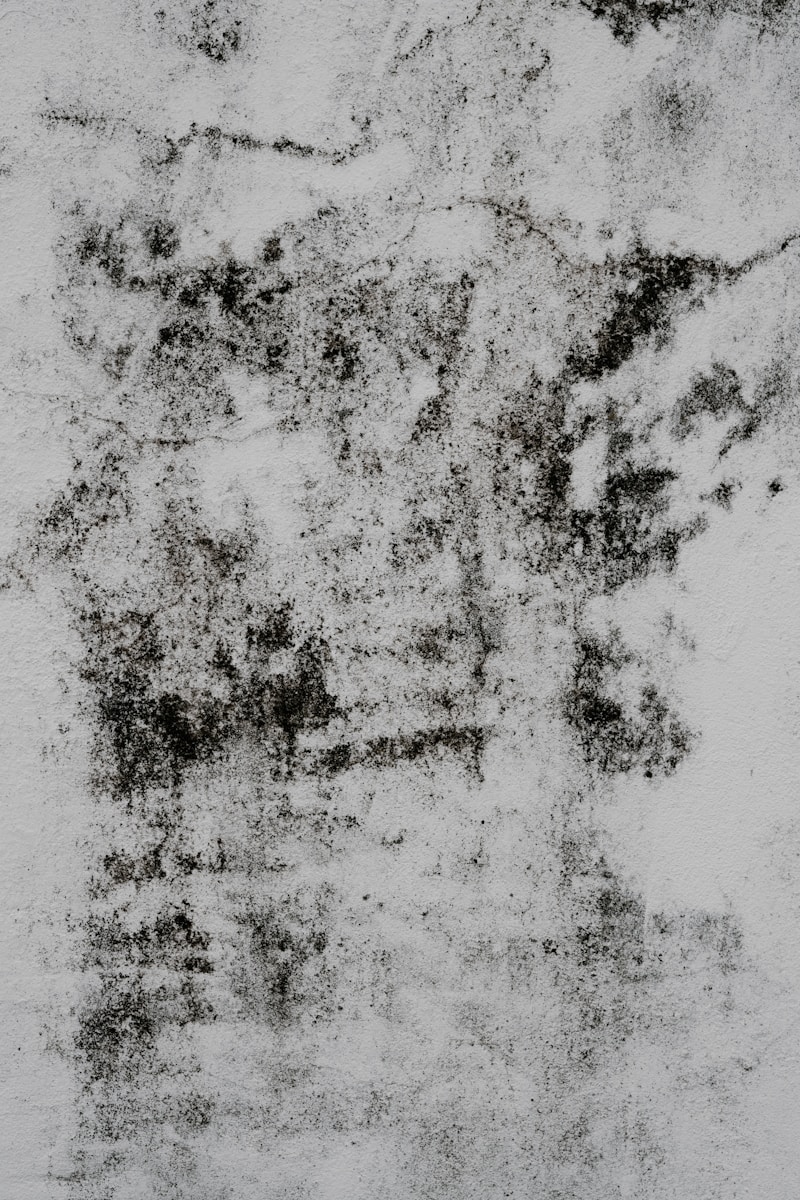
 While the home is a shelter against elements such as wind and rain, it may not always be fool-proof against items such as mold. In fact, at least 70% of homes reported having mold in various areas of their property. This figure poses a significant threat to the estimated 28% of people reported to have mold-related health problems due to various genetic predispositions. With this in mind, preventing the spread of mold will be a crucial home maintenance practice, with the following guide detailing how mold could impact your health.
How Does Mold Spread?
Mold is drawn to areas with lots of moisture, making spaces with water leaks a hazard for homeowners. This could be sections around the windows, roofs, and pipes, spores on the ceiling, and areas with wood products. If you also have upholstery and carpet in these areas, you will likely be dealing with mold spores due to frequent pools of moisture. Mold can also get to your home when clothing, pets, and accessories contact outdoor surfaces containing mold spores.
How Does Mold Affect Your Health?
When left to grow, mold will produce allergens that trigger allergic reactions in occupants sensitive to these allergens. This may be evidenced by signs such as sneezing, skin rash, hay fever symptoms, and reddening of the eyes. Depending on the severity of the reaction, some symptoms may be immediate, only taking a few minutes to develop, while others may take up to nine hours to appear.
In addition to the above-listed reactions, individuals with pre-existing asthma who are allergic to mold may suffer asthma attacks when exposed to areas with such allergens. Exposure could also lead to nose, throat, and lung irritation for people with immune-compromised systems and chronic lung disease. Health experts recommend booking an appointment with your doctor yearly to avoid such health hazards.
How to Do a Mold Cleanup
Getting rid of mold is relatively easy, with simple cleanup practices being enough to eliminate mold spores in the affected areas. Here are a few tips to utilize:
- Keep moisture in control. Keeping your home at humidity levels below 50% keeps the growth of mold spores in check, allowing you to eliminate allergic reactions that could prove detrimental.
- Use detergent and water to clean hard surfaces such as wood and dry these areas with dry clothes. Since the carpet and ceiling tiles will often be absorbent, these may need to be replaced once mold grows.
- Dry areas with water damage. If you have rooms with water damage from leaks or pipe bursts, make it a point to use dry clothes to clean them up within 24-48 hours. This prevents the growth of mold, eliminating the spread of the spores.
- Make it a point to discard the water after drying the affected areas to minimize mold growth in your cleaning supplies.
- Reach out to qualified repair experts to help fix your plumbing and areas around the windows and ceiling affected by water leaks. Check https://
restorationprosny.com/ for help. - Ventilate spaces prone to moisture, such as bathrooms and kitchen areas. De-humidifiers, air conditioners, and exhaust fans will be great ideas for this. Leaving the windows open during warm days will also let in the air into these areas, reducing humidity in the long run.
- Avoid installing carpets in spaces prone to moisture. These could be areas around sinks, drinking fountains, and floors beneath areas with leaks. If you notice any emerging moisture pools, take the carpeting off and ensure that you have it cleaned and dried to avoid problematic mold growth.
- Add insulation to areas prone to condensation. These include floors, windows, roofs, and piping.
Whether you are looking for preventive ways to keep mold at bay or need solutions to help you deal with a recurring mold problem, the above are some tips to help you deal with mold growth. Ensure that your humidity levels are checked, clean and dry wet areas within two days of moisture exposure, and ventilate areas prone to moisture. These will be essential in preventing issues such as asthma attacks, skin irritation, and fever-like symptoms for loved ones with allergies to mold.






4 comments
You’re right, mold can be very damaging to your health if not eliminated as soon as possible. I myself faced such a problem not so long ago, and I was looking for mold removal in Ottawa to get professional help
Yes, keeping humidity levels below 50% will help prevent mold spores from growing, but remember that too little humidity is bad for your health, too. It can cause many ailments: https://polestarplumbing.com/tips-tricks/humidity-and-the-home-what-customers-should-know.
To eliminate mold spores, also consider installing HEPA filters in your air conditioner. HEPA filters with a MERV rating in the 7 to 12 range catch smaller particles like dust, pollen, and mold spores, providing better air quality.
However, just installing such a filter is not enough. You should also remember to replace it regularly. According to this source https://escoutah.com/breathe-easy-tips-improve-indoor-air-quality/, you need to check filters monthly and replace them when filthy. Dirty filters are a real enemy to your health since all pollutants that come from the outside are not caught by them, but begin to circulate throughout your home.
You can also take measures to control the humidity levels in your home with your HVAC system, which may or may not have a humidification system built in. Regardless, running the air conditioner will help dry and circulate the air. A closed up home in the summer without air conditioning and little air movement will create the humid, warm and dark conditions necessary for mold growth.
When shopping for a new air conditioning system, look for models that have enhanced moisture removal and a minimum SEER rating of 14.
Some more tips on how to prevent mold and mildew growth here: https://happyhiller.com/blog/how-to-clean-prevent-mold-mildew/.