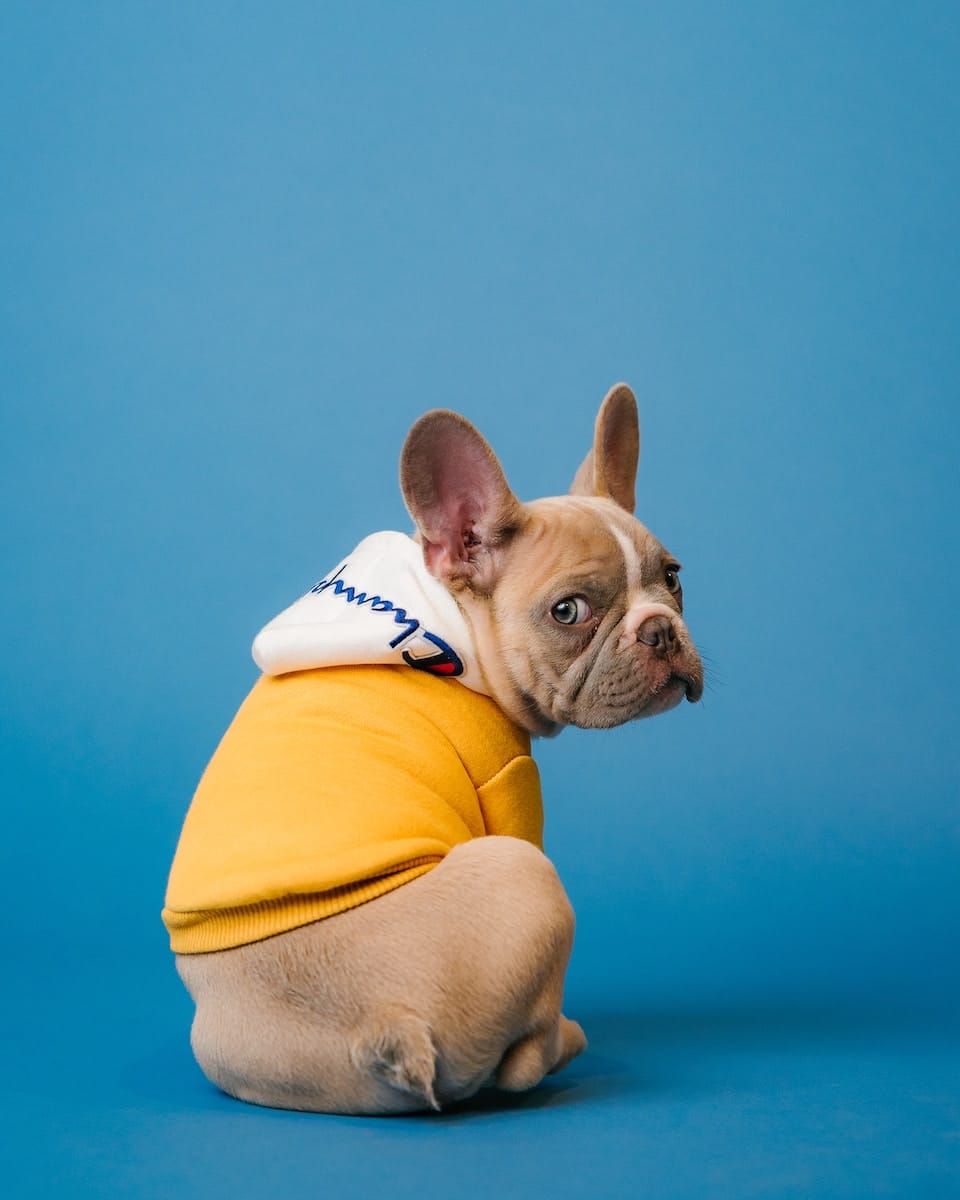
 You have adopted or bought a new puppy – a new family member has joined you. The cute puppy runs jumping and raging everywhere. Your new little puppy is so adorable that you’re probably asking yourself ‘does he need to be trained at all?’ The answer is simple, a little puppy like a baby is born as a smooth sheet, with no behavioral problems. Unlike adult dog training, puppy training is much simpler. We just need to tame him how to behave properly. Dogs can bring a plethora of goodness to our lives. For example, guide dogs that help those who are blind or struggling. There are even things such as an emotional support dog. They are incredible creatures. But they do need to know how to behave to help people.
Once we have understood the needs and requirements of the owner and after the character of the puppy has been diagnosed, we will adjust the training program to the needs and abilities of the puppy and the owner. Dog training is the key to success for a lifetime, as time goes by and the puppy grows, the more difficult it will be to educate him. If they gather many problems early on, then they may struggle in certain areas. You may need
Therefore, educating puppies is very important from the youngest age – whether it is training for needs or whether it is about different commands. A lot of people think that if they buy a certain breed of dog then they can be solved from the process of training puppies, of course that is not true! Puppy education and dog obedience training should be done on every dog no matter if you bought a Border Collie or if you adopted a poodle – in the end, every dog has its own training potential and if it is not done properly then that potential just will not materialize. Novel training combines all the elements necessary for a better education of puppies and dogs for every possible purpose.
When do dogs need to be trained?
The best age to apply to a thousand dogs is as soon as the puppy is in your home, which is around 7 weeks old. A 7-week-old puppy is developed enough to understand what we want from him. The things a puppy will learn in the early part of his life will never be forgotten. At the age of 7 weeks to live there are still no unwanted behaviors and in fact at this age we shape the behavior or more correctly call it behavioral routing. It is much easier to teach the dog proper behavior than to teach him at a later age what not to do or how to behave incorrectly. At 7 weeks old the dog can be taught all the things we teach an adult dog. It is important to emphasize that a small puppy, like a small child, gets tired and loses interest very quickly. Training times must be very short and we must always be attentive to what the puppy is projecting to us in his behavior. If he is too tired it is probably worth stopping for now and coming back at a better time.
When we adopt or buy a new friend for the home, we get a family member for everything – just as we educate a baby who has just been born with the goal of making him a better person with values and respect, so we expect our dog to be a good, dedicated, gifted and more tamed dog. Most of the time people choose not to use the services of a dog trainer it is mainly because of economic considerations. This is a big mistake, because the dog we adopted or bought will probably live with us for at least the next 15 years (the longest lifespan for dogs). It is believed that there is no such thing as a bad dog, there is an untrained dog – and we are committed to giving your dog a language and habits that will make the interaction between you and him easier, more pleasant and harmonious. Training combines all the elements needed for a better education of puppies and dogs for every possible purpose. It is also important to know that dogs need very different types of training for specific jobs: sniffer jobs, guide dogs, emotional support dogs etc. Here are some benefits:
- This knowledge is strength – extensive experience working with all types of races and ages with the most advanced training and treatment methods in the field.
- Tailored to your measurements – We adapt the training and treatment method specifically for your dog’s needs and build the most effective and efficient route.
- There are no question marks – in one session we will be able to diagnose whether basic dog training is required or whether it is behavioral treatment for dogs.
My dog is badly behaved, it jumps on other dogs and behaves badly.
Most dog owners are familiar with this phenomenon, come home and the dog jumps on them enthusiastically. Most often the problem stems from the incorrect education of the dog by the owner. The question arises how do owners train the dog to jump on people? The answer is simple, usually when we get home after a day of work, we do not have the strength to bend over to hug our dog. Without noticing we begin to encourage the dog to stand on both hind legs, so that ours will be easier to pet or to get certain items. In doing so we create a situation where the dog must jump on us in order to get affection from us. Everything is fine as long as the dog weighs 3 kg, but it can be dangerous when it comes to heavy weights.
A dog jumping on people can cause discomfort at best and injury to the body at worst. It is important to emphasize that most dogs jump on people for joy and the dog has no intention of harming us. I will now detail what are the recommended ways to teach our dog not to jump on people and what ways to avoid:
The recommended ways
Ignoring – One of the best ways to stop dogs jumping is to ignore the dog when he jumps on people, or with a firm “no”, you can cajole them into stopping doing it. You should then praise him when he is calm and all four of his feet are on the floor only. When the dog jumps on you, turn your back to him. It is extremely important to give the dog boundaries so that they realize that you are in control.
Learning the “sit” command (for details, see the article “How to teach the dog the” sit “command? ) – When we teach the dog the” sit “command, it is advisable to use it every time someone walks in the door. If we use this command every time the dog comes towards us, the condition will be created for the dog: opening a door = sitting calmly. When we teach the dog the command “to the place”, we can use it every time the door of the house opens.
The non-recommended ways
Noises – Using a noise can scare the dog when he jumps on you, thus preventing the jumps in the future. It is a type of shock tactic. The problem is that they can not only stop the jumps but may cause the dog to stop coming and meet you or worse, dogs with an active defensive instinct can bite you hard as a result of panic.
Water splash – The water splash works similar to the noise can, only here instead of the dog being startled by the noise he is startled by the water being splashed directly in front of him.
Knee Lift – One of the most dreadful methods and one that is actually classed as animal abuse. The method says that when the dog approaches you running and getting ready to jump, wait until the dog is in the air and then lift the knee straight into his ribs. This is not recommended at all.
My dog doesn’t have great food etiquette
One of the most common problems is that the dog eats from the dining table or rather, steals food from the table. Most often the problem stems from the fact that we, the owners, actually train the dog, without noticing, to eat from the table. You’re probably asking yourself, how can we train the dog to stop grabbing food from the table? The answer is simple, occasionally someone in the household offers your dog a piece of food that they don’t want. The dog understands that it is okay to ask for food when all the members of the household are sitting down to eat. As a result, the dog realizes that it is okay to steal food from the table, because you have already given him food from the table.
The solution to eating from the dining table is quite simple. Stop treating the dog when he is around the table and reward him only when he moves away. In this action you reinforce correct behavior and train the dog to desirable behavior, which is moving away from the dining table.