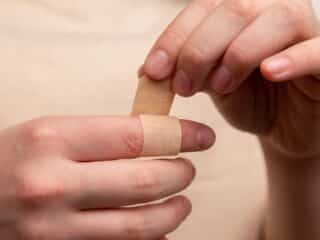
 Injuries are a nightmare. They can be unbearably painful. They can mean that you need to take time off work and face a loss of income. They can mean that you need rehabilitation or regular trips to the doctors. Your insurance premiums can take a big hit too. Some injuries mean that you can’t drive, walk or look after yourself. Being injured can mean that you can’t go out and enjoy yourself or take part in your usual hobbies. Even a relatively small injury can have a significant impact on your life.
When we first sustain an injury, our fitness levels are often the last thing that we think about, unless you are a serious athlete in training for competition. As someone who works out for pleasure, or to maintain a certain level of fitness and a healthy lifestyle, you might not think being out injured for a while will make any difference to your fitness levels, but you’d be surprised. When you return to the gym after a week’s holiday, it can be tough. Your muscles can take time to warm up, and your stamina might not be as good as it was. You usually snapback pretty quickly, but chances are you spent your holiday out exploring and being at least somewhat active. When you are injured, you might find yourself facing a much more extended period away from your regular exercise routine and doing much less activity generally. So, it can have a more significant effect.
You might find that you quickly start to gain weight. That you are getting out of breath more easily. That your energy levels are low, your muscles are starting to soften and that your fitness levels just aren’t what they were. This can happen in just a few weeks, and if you play sports things like pitching arm injuries are common. You might find yourself injured often. You don’t want to waste that time out.
Whether you are a serious athlete or a casual gym goer, it’s essential that you find ways to stay fit. Not just to maintain your fitness levels, but also to give your focus, help to keep you in a routine, and to look after your mental health. Staying fit will also help to speed up your recovery and keep you healthy. Here’s how to do it.
Stick to a Routine
When it comes to exercise, it’s very easy to lose motivation. Even if you are an enthusiastic gym goer, that’s happily there every other day. If you take a few days or weeks off, you can suddenly find that you don’t want to go back. Most of us need a routine. When we fall out of it, we find ourselves making excuses to avoid exercise and avoiding going back.
So, stick to your routine. Even if you can’t do your normal exercises or sports, make sure you are doing something. Don’t just use the time to sit around watching TV. Get up and do whatever you can. Stick to your usual routine as much as you possibly can, and it will be much easier getting back into things later on.
Walk
Walking is probably the most underrated activity there is. When you are walking, you are moving. Sat at home on the sofa all day, you might burn 1500 calories. Walk 10000 steps and even if you do little else, you could burn 2400. It’s also easy. Unless you’ve got a very severe injury, you should be able to manage some gentle walking. If you need to, start with slow, gentle walks around your block and build up to 10000 steps when you can.
Walking gives you a way to stay fit, maintain your weight, get some fresh air and stick to a routine. It’ll also help to boost your circulation and stretch your muscles out. It’ll even help to keep your posture healthy and is much better for your mental health than sitting at home upset that you are injured.
Try Something New
Why not use this as a chance to try something new? If you are a runner, spend some time swimming, or have a go at Yoga. Find an exercise that doesn’t put strain on your injury and give it a go. If your injury means that training is a big no-no for a while, use the time to try a new hobby that gets you out of the house, or spend your time having fun with your family and catching up with your friends. As long as you are moving, it’s activity, and it will help.
Lift Weights
Weights are a fantastic way to build strength and maintain your fitness. And, even with an injury, there is bound to be something that you can do. Lifting weights boosts your metabolism, helping you to burn more calories even after you’ve finished your workout. It helps to stimulate your circulation, raises your heart rate and strengthens your muscles.
Weight lifting can massively improve your cardio performance. Start a weight lifting routine now and aim to carry it on even when you’ve returned to your normal régime.
Spend Time at the Gym
It’s a good idea to keep in touch even if you can’t work out. Pop in to say hello, go for a walk on the treadmill, or have a gentle swim. Spend time in the steam room or book yourself in for a sports massage. Being around the gym atmosphere will encourage you to get back into things and help you to feel better.
Eat Well
It can be so easy to let things slide and start comfort eating when you are feeling sorry for yourself. While of course, the odd treat won’t hurt, if you are moving less it’s more important than ever that you maintain a healthy and balanced diet. Try to stick to your usual diet, eating plenty of fruit and vegetables and slow release meals.
Be Patient
It’s crucial that you find the right balance. You want to stay fit and do what you can to recover faster. But you don’t want to push yourself too hard and make things worse. Build up slowly, give your body time and be patient with yourself.