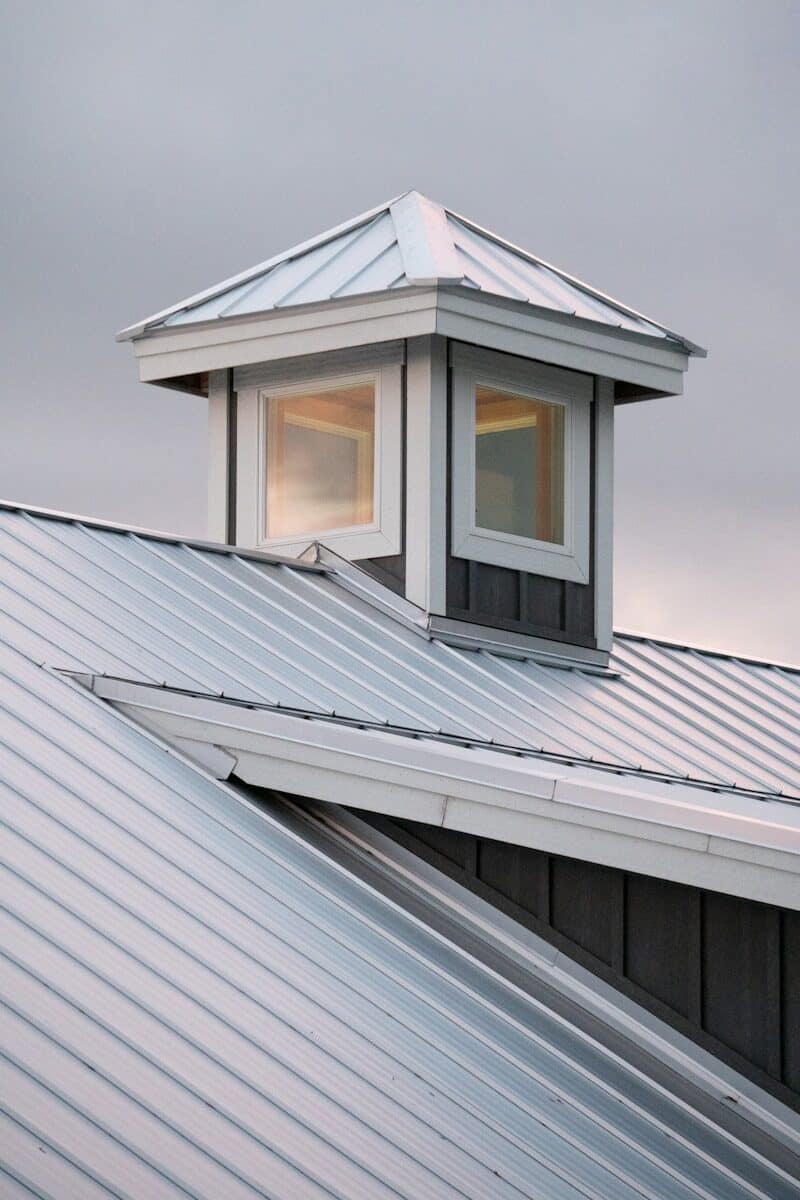
 When it comes to safeguarding your home, the baseline for what is considered “safe” has drastically shifted. Tropical storms are becoming more frequent, dropping torrential rains and packing destructive wind speeds that easily shred traditional building materials. Relying on standard asphalt shingles and basic glass windows is no longer a viable strategy for homeowners in storm-prone regions.
To truly protect your family and your property, investing in heavy-duty structural retrofits is now essential. Among the most effective upgrades available are impact-resistant windows and metal roofing systems. Here is why hardening your home with these two lines of defense has transformed from a premium luxury into an absolute necessity.
The Escalating Reality of Modern Storm Damage
We cannot talk about home safety without addressing the sheer scale of modern weather patterns. The financial and emotional toll of letting a home remain vulnerable is higher than ever before.
According to reports from Finder, the 2024 hurricane season ranked as the third most expensive since 1980, with a total of five major hurricanes inflicting $123.96 billion in damages and claiming 314 lives across the United States.
These numbers paint a clear picture: standard building codes of the past are failing under the weight of modern storms. When a hurricane makes landfall, the structural integrity of your home relies entirely on keeping the exterior envelope sealed. Once a window shatters or a section of the roof peels away, internal pressure changes can literally lift the structure apart from the inside out. Preventing that initial breach is where advanced materials prove their worth.
Shielding the Envelope with Heavy-Duty Windows
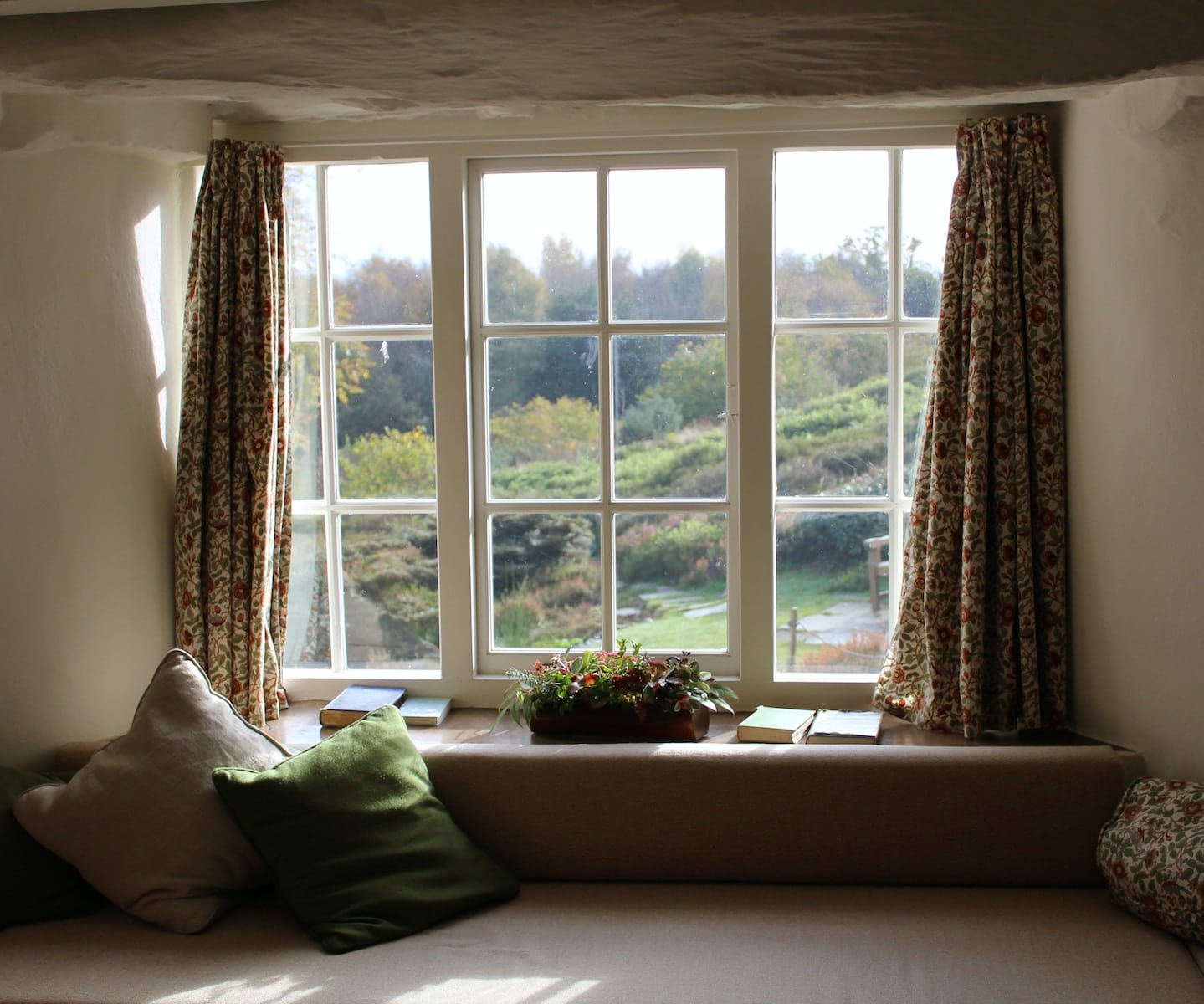
Your windows are often the most fragile points of your home’s exterior. During a storm, it isn’t just the wind speed itself that poses a threat; it is the airborne debris—such as tree branches, roof tiles, and lawn furniture—turned into high-velocity projectiles.
Standard glass shatters instantly upon impact, exposing your interiors to water damage and dangerous pressure drops. This is why engineered impact glass has become a foundational component of modern storm preparation.
According to Forbes, hurricane-proof windows are specifically engineered to maintain their structural integrity during severe storms featuring wind speeds as high as 200 miles per hour.
These specialized windows utilize a durable interlayer of polyvinyl butyral (PVB) or ethylene-vinyl acetate (EVA) sandwiched between two layers of tempered glass. Even if the outer glass cracks under a heavy impact, the inner polymer layer remains intact, holding the shards together like a spiderweb and keeping the wind, rain, and debris outside where they belong.
Overcoming Extreme Wind Uplift from Above
While your windows protect the perimeter, your roof bears the brunt of a storm’s downward and upward forces. Traditional asphalt shingles are notorious for lifting, cracking, and blowing away in high winds, creating a domino effect that exposes the wooden decking underneath to catastrophic leaks.
Switching to a metal roofing system completely changes how a house interacts with severe weather. Because metal roofing panels interlock tightly and are anchored firmly to the structure, they offer unparalleled resistance to wind uplift.
According to insights from Today’s Homeowner, properly installed metal roofs are capable of withstanding hurricane-force winds that exceed 140 mph, while simultaneously defending the structure against the punishing effects of hail, ice, and heavy snow.
This multi-hazard resilience makes metal an ideal choice not just for tropical summer storms, but for year-round climate extremes. Furthermore, because metal is a non-combustible material, it offers a Class A fire rating, protecting your home from airborne embers generated by storm-related electrical fires or nearby lightning strikes.
The Financial Silver Lining: Insurance and Long-Term Value
While the immediate goal of impact windows and metal roofs is physical safety, the long-term financial benefits make a compelling case for your wallet. Upgrading your home’s exterior defenses is one of the few home improvement projects that pays you back directly through your monthly expenses, long before a storm ever hits.
Because insurance companies are looking to minimize risk, many offer significant premium discounts sometimes up to 35% for homes that feature a fortified envelope. In some high-risk coastal states, these mitigation credits are mandated by law if your home meets specific hurricane-resistant benchmarks.
Furthermore, these upgrades heavily boost your home’s resale value and curb appeal. Buyers are increasingly looking for “storm-ready” properties, knowing they won’t have to shoulder the massive upfront cost of retrofitting the home themselves. When you install these materials, you aren’t just buying protection; you are locking in lower fixed costs and a higher property valuation for years to come.
Investing in Long-Term Peace of Mind
The data makes a compelling argument: waiting out the storm with temporary plywood boards is a gamble that carries an incredibly high price tag. Hardening your home with impact-resistant windows and a durable metal roof creates a continuous, high-strength shield capable of deflecting debris and anchoring your property against violent atmospheric pressures.
While the upfront cost of these structural upgrades requires an investment, the long-term payoff comes in the form of reduced insurance premiums, increased property value, and most importantly the invaluable peace of mind that your home and family can safely weather the storm.