
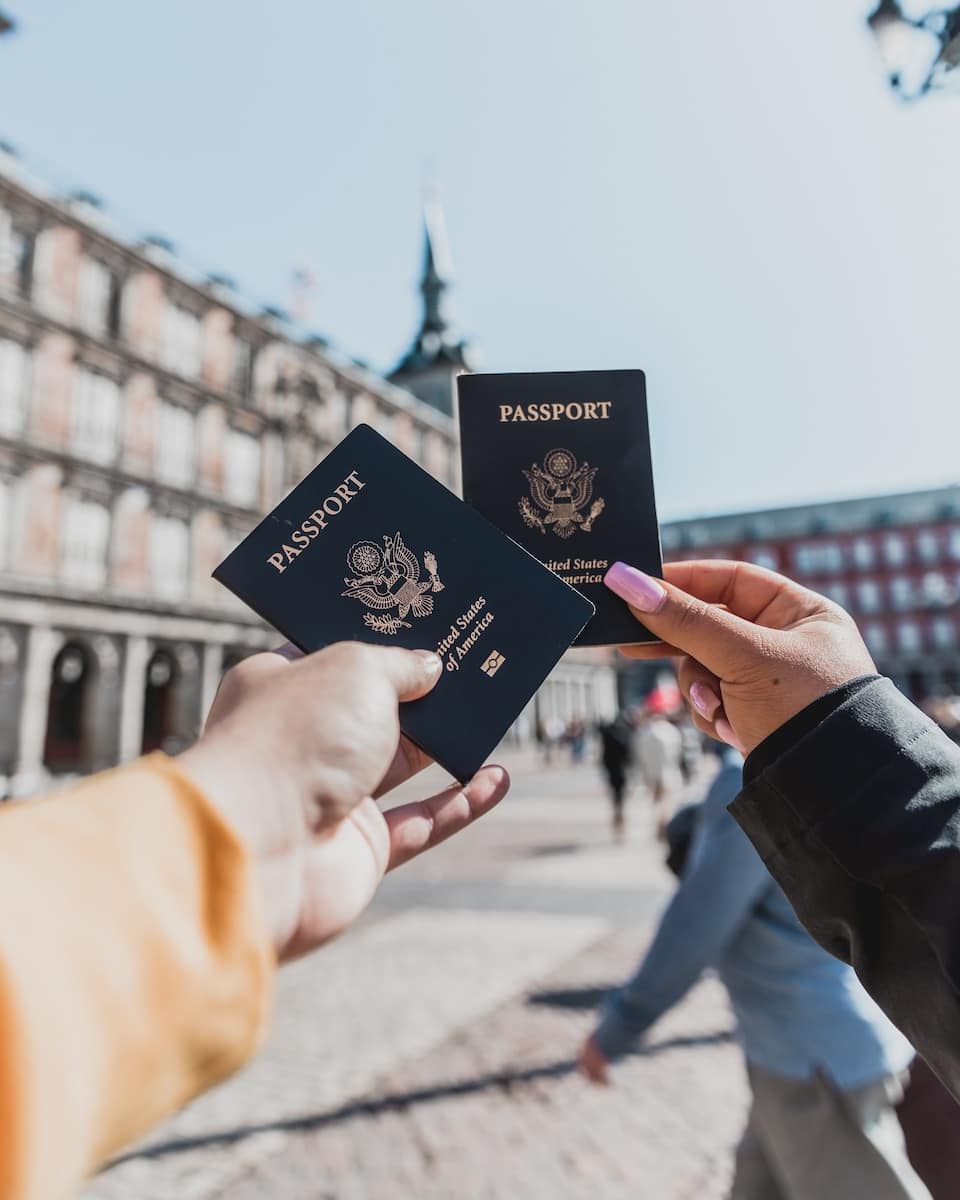
 Traveling is one of life’s greatest pleasures. Whether you are planning a weekend city break, a cross-country road trip, or an international vacation, every journey brings new experiences and lasting memories. While most travelers focus on booking accommodation, packing clothes, and planning activities, preparing for unexpected situations is just as important.
Being ready for the unexpected does not mean expecting the worst. Instead, it allows you to enjoy your trip with greater confidence, knowing that you have considered the challenges that can arise along the way.
Organize Your Travel Documents
Before leaving home, make sure all of your essential documents are organized and easy to access. This includes your passport, identification, travel insurance details, tickets, hotel confirmations, and any required visas.
Keeping both digital and physical copies of these documents can save valuable time if anything is lost or stolen. Secure cloud storage or password-protected mobile apps can provide quick access when you need important information.
Purchase Comprehensive Travel Insurance
Travel insurance is one of the most valuable investments you can make before any trip. Medical emergencies, canceled flights, lost luggage, and unexpected delays can quickly become expensive without adequate coverage. Take time to review your policy carefully so you understand what is included and whether you need additional protection for activities such as skiing, scuba diving, or renting a vehicle.
Prepare for Health Concerns
Research the healthcare system at your destination before you arrive. Find out where the nearest hospitals or clinics are located and learn any emergency phone numbers that may differ from those at home.
If you take prescription medication, bring enough for your entire trip along with extra supplies in case of delays. Keeping medications in their original packaging and carrying a copy of your prescription can help avoid complications during customs inspections.
Know What to Do After a Road Accident
Although no traveler expects to be involved in a collision, road accidents can happen anywhere. Whether you are driving your own rental vehicle or riding as a passenger, knowing how to respond is important.
First, ensure everyone involved is safe and contact local emergency services if necessary. Exchange information with other drivers, take photographs of the accident scene if it is safe to do so, and notify your insurance provider as soon as possible.
If an accident occurs while traveling in Florida, seeking advice from an experienced Miami car accident lawyer can help you understand your legal rights and navigate insurance claims more effectively, particularly if injuries or disputes arise.
Protect Your Finances
Traveling with multiple payment options provides extra security if one becomes unavailable. Carry a combination of credit cards, debit cards, and a limited amount of local currency rather than relying on a single payment method. Notify your bank before traveling internationally to reduce the chance of transactions being flagged as suspicious. It is also wise to keep emergency funds separate from your primary wallet.
Secure Your Belongings
Tourist destinations can attract pickpockets and opportunistic thieves. Using anti-theft bags, hotel safes, and luggage locks helps reduce the risk of losing valuables. Avoid displaying expensive jewelry, electronics, or large amounts of cash in crowded areas. Staying aware of your surroundings is often the best defence against theft, too.
Have an Emergency Plan
Before beginning your journey, take a few moments to think through possible emergencies. Save important contact numbers in your phone, including local emergency services, your country’s embassy or consulate, your travel insurer, and family members. Knowing exactly who to contact and where to go during an emergency can significantly reduce stress if something unexpected happens.
Final Thoughts
Traveling should be exciting, memorable, and rewarding, but it doesn’t mean it’s always smooth sailing. While no one can predict every challenge that may arise, thoughtful preparation allows you to respond calmly when the unexpected happens. You’ll also spend less time worrying about potential problems and more time making the most of every destination you visit.