 Sports bars used to be simple spots for beer and a big screen. Now something different is happening in neighborhoods across the country. These places are becoming actual gathering points where people build friendships, support local causes, and feel they belong.
This shift didn’t happen overnight, and it isn’t just about better televisions or wing specials. Bar owners started paying attention to what their regulars actually wanted, and the result looks a lot more like a community center than a typical watering hole.
Neighborhood Bars Becoming Social Anchors
Walk into any thriving sports bar these days, and you’ll notice something beyond the game on screen. Regulars greet each other by name, swap stories about their week, and check in on people they haven’t seen in a while. That kind of familiarity doesn’t happen at a place people visit once and forget.
Bartenders often become the glue holding these informal networks together. They remember birthdays, notice when someone’s having a rough week, and connect newcomers with regulars who share their interests. According to the staff working at the best sports bar in Minneapolis, the trick isn’t complicated: pay attention to people, and they’ll keep coming back for more than just the game.
Shared screens also create natural conversation starters between strangers. Two people who’ve never met can bond instantly over a controversial call or a last-second win. That shared reaction breaks the ice faster than almost any other social setting, turning a random Tuesday night into the start of a genuine friendship.
As traditional civic spaces like town halls and community centers see less foot traffic, sports bars have quietly filled the gap. They offer something increasingly rare: a place where people gather regularly, without an agenda, just to be around others who share their interests.
Game Day Rituals That Build Belonging
Recurring watch parties do more than fill seats on a Sunday afternoon. They create a rhythm that regulars start planning their week around. Over time, these gatherings form tight circles of people who show up specifically to sit together, cheer together, and occasionally suffer together through a rough season.
Jerseys and team gear speed up the bonding process, too. A stranger wearing the same colors instantly becomes a little less like a stranger. That small visual cue gives people permission to strike up a conversation they might not otherwise have started, and it happens constantly in bars packed with fans.
Pregame rituals matter just as much as the game itself. Whether it’s arriving an hour early for a specific table or ordering the same appetizer every single week, these small habits turn casual visits into something people actually look forward to. Over months, that routine becomes part of someone’s identity.
Rivalry banter, when kept friendly, strengthens these bonds rather than weakening them. Trash talk between fans of opposing teams gives people something to laugh about long after the final score. It’s a shared experience that keeps people returning, even during losing seasons.
Local Sports Bars Fueling Small Business Growth
A packed sports bar rarely benefits just one business. Foot traffic spills into nearby shops, coffee stands, and restaurants before and after games. Visitors who come early for a good seat often wander next door first, and that ripple effect helps entire blocks thrive rather than a single storefront.
Sponsorship deals have also become common between bars and local teams. A bar might sponsor a youth league jersey or a recreational tournament, and in return, that team’s players and families become loyal customers. This kind of partnership builds goodwill that advertising alone can’t replicate.
Event nights, whether trivia, karaoke, or a big game watch party, keep people returning on a predictable schedule. Owners who build these habits into their weekly calendars see steadier revenue and a more consistent crowd, which matters far more than a single busy night during a championship game.
Hiring practices reflect this community’s focus as well. Many bars prioritize staff who already live in the neighborhood or have deep ties to local sports leagues. That familiarity translates into better service, since staff already understand what regulars want before they even order.
Technology and Screens Reshaping the Viewing Experience
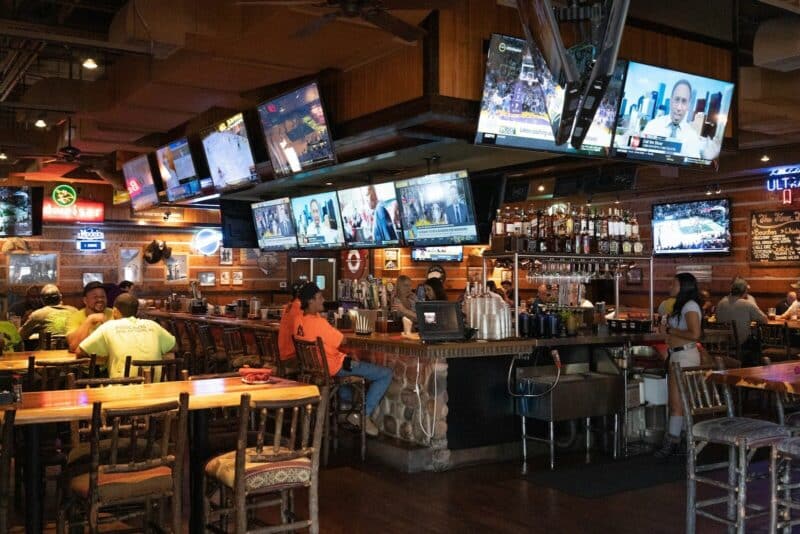
Multi-screen setups have changed how bars accommodate different fans under one roof. Instead of forcing everyone to watch a single game, bars now split attention across a dozen screens, letting a football fan and a basketball fan sit at the same bar without either feeling ignored.
Streaming apps have also expanded what bars can show. Games that once required an expensive satellite package are now available through streaming services, giving smaller bars access to out-of-market matchups that used to be reserved for big sports chains with deep pockets.
Betting kiosks and mobile sportsbook partnerships have started reshaping floor layouts, too. Some bars now dedicate entire sections to guests actively following live odds, which changes the pace and energy of the room compared to a typical Saturday afternoon crowd.
Social media check-ins continue to amplify word of mouth in ways that didn’t exist a decade ago. A single photo tagged at a packed bar during a big win can bring in new customers who saw it scroll past on their feed, often within hours of the post going up.
Food and Drink Menus Reflecting Community Identity
Local breweries increasingly get prime placement on tap lists, and that choice says something about a bar’s identity. Featuring a hometown brewery over a national brand signals to regulars that ownership cares about supporting the same community that keeps the bar in business every week.
Regional comfort food does similar work. A menu built around dishes tied to the area gives visitors a taste of home and out-of-towners a reason to try something they can’t get anywhere else. That local flavor becomes part of what makes a bar memorable.
Themed specials tied to specific matchups also keep menus feeling fresh. A rivalry game might feature a limited-time dish named after the opposing team, and these small touches make ordering food part of the entertainment rather than an afterthought.
Dietary accommodations have widened who feels welcome at these bars as well. Offering gluten-free, vegetarian, or lighter options means groups with different needs can still gather in one place, rather than splitting off to separate restaurants before meeting up later.
Conclusion
Sports bars have quietly become something more than places to grab a drink during the big game. They’ve turned into genuine community hubs where friendships form, small businesses grow, and families find a place to belong across generations.
This transformation didn’t require anything flashy. Owners simply paid attention to what people wanted: familiar faces, good food, and a reason to keep coming back. That formula, more than any single trend, explains why these bars keep thriving.