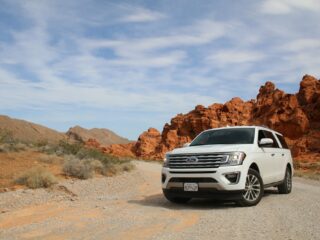
 An adventure road trip offers the freedom to explore somewhere new without following a rigid itinerary. From mountain trails and national parks to quiet lakes and scenic camping spots, traveling by road makes it easier to discover places that might otherwise be overlooked.
However, a successful trip requires more than choosing exciting destinations. The vehicle you travel in can influence everything from comfort and luggage space to fuel costs and the routes you can safely explore.
Choose a Vehicle That Matches Your Adventure
Different road trips place different demands on a vehicle. A weekend exploring paved scenic routes might require little more than a comfortable, fuel-efficient car, while camping trips involving bulky equipment may benefit from an SUV or pickup truck.
Pickup trucks can be useful for travelers carrying bicycles, tents, paddleboards, and other outdoor essentials. Their cargo capacity makes organizing equipment easier, although larger vehicles can consume more fuel.
Travelers comparing used trucks for sale Wichita may find it helpful to explore used trucks for sale in Wichita KS when researching vehicles suitable for outdoor adventures. Comparing different models, vehicle histories, and features can help identify an option that balances practicality with affordability.
Think About Comfort on Longer Journeys
Spending several hours behind the wheel can become tiring, especially when traveling between remote destinations. Comfortable seating, reliable climate control, and enough passenger space can make a noticeable difference.
Storage also deserves attention. Keeping frequently used items accessible prevents unnecessary stops and makes it easier to maintain an organized vehicle.
Before departure, check tire condition, fluid levels, brakes, and essential safety equipment. A well-maintained vehicle reduces the likelihood of avoidable interruptions.
Plan Routes Around Outdoor Experiences
The most memorable road trips often include time away from busy highways. Scenic overlooks, hiking trails, lakes, and smaller communities can provide opportunities to experience a destination more closely.
Rather than packing every day with long drives, allow enough time to explore on foot, enjoy outdoor activities, and appreciate the surroundings.
Research road conditions and seasonal closures before traveling. Some mountain routes become inaccessible during winter, while remote areas may have limited fuel stations or unreliable phone reception.
Downloading offline maps can be useful when traveling beyond populated areas.
Pack for Healthy and Responsible Travel
Maintaining healthy habits on the road doesn’t have to be complicated. Packing fresh fruit, vegetables, nuts, and reusable water bottles can make it easier to avoid relying entirely on convenience-store snacks.
Travelers can also explore local farmers’ markets and restaurants offering fresh, plant-based meals along their routes.
Responsible travel matters just as much. Staying on designated trails, respecting wildlife, and disposing of waste properly help protect natural destinations.
Choosing efficient routes and avoiding unnecessary idling can also reduce fuel consumption.
Make the Journey Part of the Experience
A rewarding adventure road trip isn’t measured by how many miles you cover. It’s about enjoying the freedom to explore, discovering new landscapes, and making time for experiences along the way.
Choosing a dependable vehicle, preparing carefully, and traveling responsibly can make the journey safer and more enjoyable.
With the right approach, even a relatively short road trip can become a memorable outdoor escape.