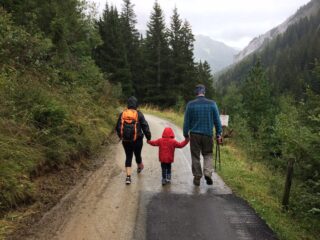
Life rarely unfolds exactly the way we plan it. We set goals, craft detailed routes to achieve them, and then—sometimes abruptly—find ourselves navigating unexpected challenges. Confidence isn’t about knowing you’ll never face setbacks; it’s about knowing you have the resilience, tools, and mindset to keep moving forward anyway. Whether in your professional journey or personal life, developing unwavering confidence can transform obstacles into opportunities and give you the courage to grow.
Understanding Confidence as a Practice
Confidence isn’t something you are born with—it’s something you cultivate. Some people seem naturally assured, but what often looks like effortless self-belief is the result of sustained effort. Confidence grows when you intentionally practice self-awareness, confront fears, and reflect on progress over time.
Start by acknowledging what you already do well. When you focus only on what you lack, you sideline strengths that can support you. Instead, keep a journal of daily wins—even small ones like completing a difficult task on time or handling a tough conversation with grace. Over weeks and months, you’ll begin to see patterns of success you overlooked before.
Setting Clear, Achievable Goals
Moving forward with confidence requires a roadmap. Yet, this isn’t about rigid plans that crumble at the first sign of change. It’s about setting clear, achievable goals that align with your values and priorities. Break longer-term ambitions into manageable steps. For example, if you’re aiming for a promotion at work, define what skills you need to build, identify mentors who can support you, and set timelines for each milestone. If you’re planning a major life transition—like relocating—research services that can ease the process, whether it’s financial planning tools or reliable partners like Shiply shipping services to help move your belongings stress-free.
Achieving these smaller steps fuels confidence because it gives you tangible evidence of progress. Every completed milestone is proof that your actions lead to growth.
Embracing Discomfort as Growth
One of the biggest barriers to confidence is the fear of discomfort. We often assume that confidence means feeling calm and composed all the time. The truth is the opposite: confidence means feeling discomfort—and choosing to act anyway.
Every new experience involves uncertainty. Speaking up in a meeting, applying for a job that seems slightly out of reach, starting a new fitness routine—these all trigger discomfort. The key is to reframe discomfort as a sign of growth, not danger. When you begin to associate nervousness with opportunity rather than threat, your actions become less about avoiding fear and more about expanding your capabilities.
Learning from Setbacks Without Losing Momentum
No journey forward is without setbacks. Even the most confident people experience disappointment. What differentiates them is not the absence of failure, but their response to it.
When faced with a setback, resist the urge to internalize it as a reflection of your worth. Instead, treat it as a data point. Analyze what went wrong, identify what you can control, and adjust your approach. Growth comes from experimentation and refinement, not perfection.
Take time to reflect but don’t ruminate. Reflection should lead to action, not paralysis. Each setback teaches something valuable about your processes, assumptions, or environment—if you’re willing to learn.
Moving Forward With Unshakeable Confidence
Confidence is a journey, not a destination. It’s built through intentional actions, reflection, perseverance, and community. When you set clear goals, embrace discomfort, learn from setbacks, and care for your well-being, you create a foundation that empowers you to navigate work and life with assurance.
As you move forward, remember that confidence is not the absence of fear—it’s the courage to keep going despite it. With that mindset, you don’t just survive life’s challenges—you thrive through them.
The Healthy Voyager, aka Carolyn Scott-Hamilton, is the creator and host of The Healthy Voyager series, site, and overall brand. An award winning healthy, special diet and green living and travel expert, holistic nutritionist, plant based vegan chef, best-selling cookbook author, media spokesperson, sought after speaker, consultant and television personality, Carolyn Scott-Hamilton is a respected figure in the world of healthy lifestyle and travel as well as special diet cooking and nutrition. The Healthy Voyager aims to help people live well, one veggie at a time!
This website uses cookies to improve your experience. We'll assume you're ok with this, but you can opt-out if you wish.AcceptRead More
Privacy & Cookies Policy
Privacy Overview
This website uses cookies to improve your experience while you navigate through the website. Out of these, the cookies that are categorized as necessary are stored on your browser as they are essential for the working of basic functionalities of the website. We also use third-party cookies that help us analyze and understand how you use this website. These cookies will be stored in your browser only with your consent. You also have the option to opt-out of these cookies. But opting out of some of these cookies may affect your browsing experience.
Necessary cookies are absolutely essential for the website to function properly. This category only includes cookies that ensures basic functionalities and security features of the website. These cookies do not store any personal information.
Any cookies that may not be particularly necessary for the website to function and is used specifically to collect user personal data via analytics, ads, other embedded contents are termed as non-necessary cookies. It is mandatory to procure user consent prior to running these cookies on your website.

 Life rarely unfolds exactly the way we plan it. We set goals, craft detailed routes to achieve them, and then—sometimes abruptly—find ourselves navigating unexpected challenges. Confidence isn’t about knowing you’ll never face setbacks; it’s about knowing you have the resilience, tools, and mindset to keep moving forward anyway. Whether in your professional journey or personal life, developing unwavering confidence can transform obstacles into opportunities and give you the courage to grow.