 In today’s world, energy efficiency is more important than ever. HVAC systems, which are essential for maintaining comfortable home environments, can often be a significant drain on energy resources if not properly maintained. By understanding and implementing efficient practices, homeowners can save both energy and money. This article provides comprehensive strategies to ensure your HVAC system doesn’t waste energy, making your home environmentally friendly and cost-effective.
Importance of Regular Maintenance
Regular maintenance is crucial in preventing your HVAC system from consuming more energy than necessary. Ensuring all components of the HVAC are clean and functioning optimally can lead to a more efficient system. According to Energy Star, routine maintenance, including changing filters and scheduling professional tune-ups, can enhance system efficiency by up to 15-20% and potentially save homeowners as much as $1,000 annually in energy costs (Energy Star).
Despite the initial time and effort spent on regular maintenance, it pays dividends in long-term energy savings and fewer repairs. Clean filters not only help in maintaining air quality but also significantly reduce the load on the HVAC system. Dust and debris, if accumulated, force the system to work harder to maintain the desired temperature, thus consuming more energy. Regular check-ups and timely updates keep the system running at its peak performance.
Homeowners should keep a schedule for HVAC maintenance, often involving checking the system every 3 months. In addition to regular filter changes, inspections for ductwork leaks can prevent energy from being wasted. Ensuring that the airflow is unimpeded by obstructions maintains the efficiency of the heating and cooling cycles. With attention and care, HVAC systems can run smoothly, providing comfort without excessive energy use.
Maximizing System Longevity and Efficiency
The lifespan of an HVAC system, particularly the furnace, plays a critical role in maintaining energy efficiency in your home. Proper maintenance extends the life expectancy, which for furnaces can be up to 15 years according to Service Titan (Service Titan). Investing in the longevity of the system reduces the likelihood of premature replacements, which can be costly.
Energy efficiency and a long-lasting system go hand in hand. By prioritizing system efficiency, homeowners can not only delay the need for replacements but also significantly cut down on unnecessary energy consumption. Regularly upgrading and calibrating system components as necessary ensures each part operates as intended, without strain. This balance allows the furnace and entire HVAC system to perform optimally throughout its extended lifetime.
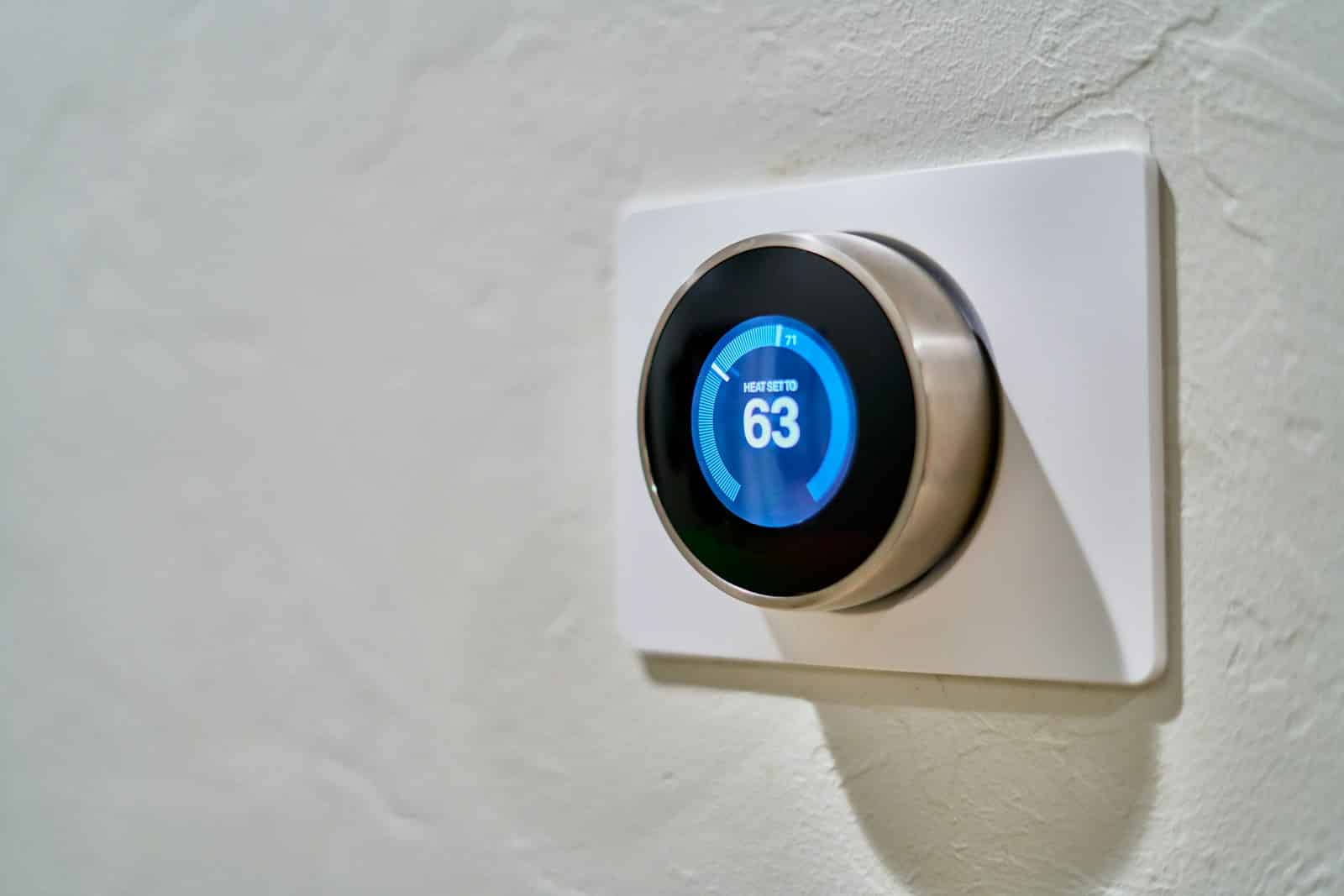
Moreover, employing smart technology like programmable thermostats allows for precise control over the HVAC operation. Homeowners can schedule heating or cooling only when needed, avoiding energy waste when the home is unoccupied. Small changes like these, combined with regular maintenance, ensure the furnace and system as a whole remain efficient throughout their extended service life.
Addressing Common HVAC Issues
One of the most common issues faced by HVAC systems is the accumulation of dust and dirt, leading to inefficiencies. According to Gitnux, neglected maintenance is responsible for approximately 80% of HVAC failures due to dust and dirt clogging important system areas (Gitnux). Addressing these issues as they arise helps in maintaining a reliable and energy-efficient system.
The buildup of dust and dirt can significantly impede airflow, forcing the system to work harder and consume more energy. Homeowners can combat this by performing regular cleaning of ducts, vents, and the outskirts of the system. Keeping these areas clear promotes better airflow and less resistance, thus reducing the energy required to heat or cool the home.
Many HVAC issues go unnoticed because they develop subtly over time. Regular inspections can help identify issues early, allowing for quick and less costly fixes. By maintaining a proactive stance on HVAC care, homeowners can forestall major failures and repairs, ultimately leading to a more sustainable and energy-efficient home.
An efficient HVAC system is pivotal in maintaining energy usage without compromising comfort. Regular maintenance, attention to system longevity, and addressing common issues can notably enhance HVAC efficiency and reduce costs. These practices not only reflect positively on energy bills but also contribute to a larger effort in sustainable living. By embracing these strategies, homeowners take a substantial step towards energy conservation and financial savings.