 The surfing-focused trip rarely starts where it’s supposed to. More often, it begins with something slightly off. A tide turns later than expected, a forecast changes overnight, or a ride leaves earlier than planned, forcing a decision before there’s much time to think it through. By the time anyone arrives, the important part has already happened in the adjustments made along the way.
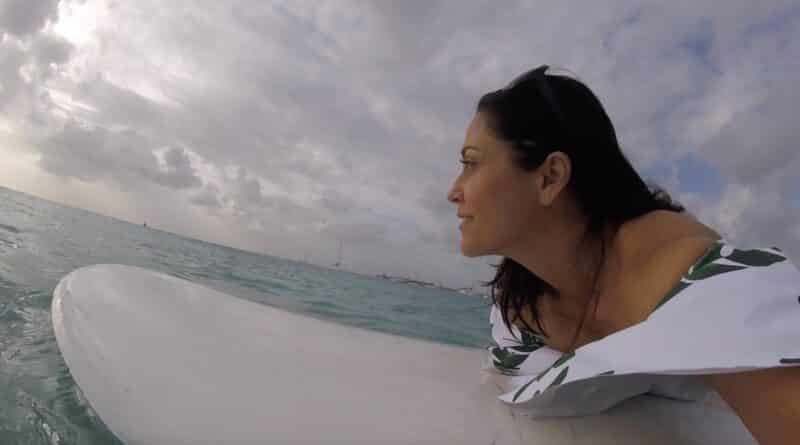
For avid surfers, travel typically follows conditions rather than intention. Many of these surfers don’t head toward places simply because they sound appealing. They move because wind, swell, and coastline briefly line up, sometimes for a day and sometimes for far less. That way of traveling shows up clearly in surf footage shared by surfer Sky Dayton, where timing and water take precedence over destinations or itineraries.
Plans exist, but they stay loose. Routes change, time stretches, and what looks efficient on a map loses relevance once the weather begins setting the pace. For travelers used to effort producing predictable outcomes, this can feel disorienting at first.
Gradually, attention moves outward. Instead of asking what should happen next, the question becomes whether anything needs to happen at all. That change doesn’t arrive through reflection so much as repetition.
Why Certain Coastlines Matter and Others Don’t
Not every coastline works, regardless of how promising it looks. The reasons are technical and easy to miss. Wind approaches at the wrong angle, swell loses energy before reaching shallow water, or the seafloor slopes too quickly or too slowly. Small details decide everything, and most of them aren’t obvious from shore.
Other places hold together under narrow conditions. They may fail for long stretches and still matter because, when things align, they do so consistently. That reliability helps explain why surfers are willing to move long distances in response to conditions. Research summarized by Wave Pool Magazine found that most beginner and intermediate surfers are willing to travel internationally to surf, suggesting that specific coastlines often shape travel decisions more than destinations themselves.
Being wrong is part of the process. A place that looked promising during planning may never line up, while another that barely registered becomes central without warning. Those reversals rarely feel instructive in the moment. They feel inconvenient, and sometimes expensive.
Understanding builds slowly. It comes from noticing how wind behaves late in the afternoon or how tide alters shape with little warning. Maps help, but experience fills in what maps can’t.
Time Spent Waiting
Waiting occupies more space than riding. Days begin with checking conditions and end with deciding whether tomorrow deserves another early start, and in between there’s often little to do that feels productive. Forecasts shift often enough that certainty becomes unreliable, even when plans are carefully made.
That uncertainty has begun shaping how surfers organize their time and travel. Data from Surf Simply shows that nearly 40 percent of surfers report taking more than one international surf trip each year. This explains how often travel decisions often revolve around finding workable conditions rather than committing to a single place.
Some days offer nothing usable at all. Those days don’t end the trip, but they slow it down. Meals stretch, repairs get handled, and waiting becomes part of the rhythm rather than an interruption that needs to be managed.
Entering Someone Else’s Lineup
Unfamiliar water comes with expectations that aren’t explained outright. They’re learned by watching who paddles first, who waits, and who stays out of the way. Over time, order becomes clear without anyone spelling it out.
As lineups grow more crowded, those expectations carry more weight. A community survey summarized by a coastal planning authority found that 49% of respondents identified surf etiquette and behavior as a key issue tied to the number of people in the water, showing how quickly shared space becomes sensitive as numbers increase.
Visitors often misread what they see. A lineup can look open when it isn’t, and a brief exchange can feel welcoming when it’s simply polite. Those misunderstandings don’t always lead to confrontation, but they tend to linger. Acceptance isn’t announced. It develops gradually, if it develops at all, and being tolerated feels different from being included, even when no one says anything directly.
What Access Changes, and What It Exposes
Access reshapes places long before anyone thinks to question what’s happening. Roads shorten trips that once took days, boats compress distance, and information moves faster than people do, changing expectations even when intentions remain neutral. The effect builds gradually, guided more by convenience than by deliberate choice.
As access improves, turnover increases in subtle ways. People arrive more often, stay for shorter stretches, and leave before familiarity has time to settle. Faces that once returned year after year start to blur into a rotating cast, and what felt continuous begins to feel provisional, shaped by timing rather than commitment.
The place itself doesn’t change much. Waves still break the same way, and the coastline stays where it is. What shifts is the space around those things. Silence shortens, waiting becomes harder to sustain, and shared moments feel crowded sooner, even when the water doesn’t look full.
Easier access also makes limits more visible. When something goes wrong, distance reasserts itself quickly, and the conditions that were easy to reach become just as unforgiving as they always were. Reefs don’t soften, currents don’t slow, and decisions made under pressure tend to expose what preparation didn’t account for.
Help is often farther away than expected, which changes how mistakes land. Injuries that might feel manageable elsewhere become more serious when assistance isn’t close, equipment failures carry more weight when replacements aren’t nearby, and fatigue compounds because conditions continue on their own schedule.
Responsibility settles in without ceremony. There’s rarely a buffer and almost never a system ready to absorb error, leaving people to reckon directly with the outcomes of their choices in places that don’t adjust for how easy the trip was.
When Returning Matters More Than Maximizing
People who return often stay longer, rush less, and stop treating every usable moment as something that needs to be taken, making it easier to skip a session without feeling like something has been lost.
Spending changes along with pace. For example, conversations may last longer, time stretches around watching conditions that may or may not turn into anything, and small tasks that once felt like distractions become part of how days are shaped. Familiar routines settle in without discussion.
Over time, returning starts to matter more than trying to extract everything from a single visit. That preference develops quietly, without a clear moment of realization, and carries more weight than any single set of conditions lining up.
By the end, early delays tend to fit more naturally into the memory of the trip. Missed tides and quiet days stop standing out as setbacks and begin to feel like necessary parts of the pattern that held everything together.
Attention lingers on ordinary details, including salt drying on skin, boards stacked wherever space allows, and wind moving through open areas. Conditions continue on their own schedule, and people follow, carrying a steadier sense of timing and a clearer sense of when waiting makes sense.