
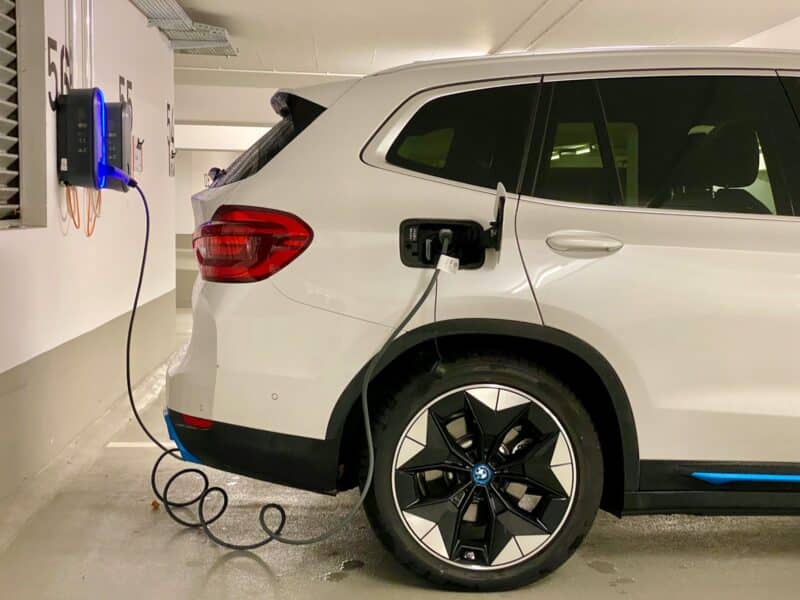
 For many environmentally conscious drivers, choosing a greener car is not just a personal preference. It is a reflection of their values. The move toward electric and hybrid vehicles continues to grow, and more people are prioritising sustainability, efficiency and ethical responsibility in how they travel.
But while these choices are often driven by good intentions, they can come with hidden costs that have nothing to do with fuel or emissions. The real issue may be buried in the finance agreement used to buy the car. For consumers who signed Personal Contract Purchase (PCP) agreements between 2007 and 2021, there is a growing concern that many of these deals were mis-sold. That includes deals for eco-friendly cars too.
Greener Vehicles, Less Transparent Finance
Electric and hybrid cars are often marketed as the future of driving. They promise lower environmental impact, reduced running costs, and a sense of responsible ownership. But for many buyers, the only way to afford one was through a PCP finance agreement.
These agreements are popular because they offer lower monthly payments and various end-of-term options. Drivers can return the car, pay a final balloon payment to keep it, or enter into a new agreement. On the surface, this sounds like flexibility. Underneath, it may hide terms that were not properly explained.
Mis-selling does not mean fraud. It means the agreement may not have been fully transparent. In many cases, salespeople failed to disclose how commission influenced the interest rate, or they did not explain key terms such as mileage restrictions or the balloon payment.
Why Eco-Conscious Buyers Are at Risk
Conscious consumers often go to great lengths to make the right decisions. From checking product packaging to researching ethical companies, they try to ensure their choices align with their values. Unfortunately, that effort can be undone by finance deals that were not presented clearly.
Common risks for green car buyers include:
- Complex contracts
The emphasis on sustainability may overshadow important financial details in the agreement. - Commission-inflated interest
Sales teams may have chosen finance options that increased their commission rather than offering the best deal for the customer. - Balloon payment confusion
Buyers may not have been told the full cost of keeping the vehicle at the end of the term. - Lack of comparison
Some were not shown alternative finance products or asked about their preferences.
Many people chose an eco-friendly vehicle in good faith. But they may have ended up with a finance arrangement that did not reflect the same level of honesty and care.
What Is PCP Mis-Selling?
Mis-selling in a PCP agreement refers to situations where key information was missing or misrepresented. It may involve:
- Failure to disclose commission earned by the broker or dealership
- Lack of clarity on how interest rates were calculated
- Skipping over important conditions such as balloon payments or usage restrictions
- Offering no comparison with other finance options
- Applying pressure to close the deal quickly
If any of these conditions apply to your agreement, you may be eligible to submit a car finance claim.
The Ethical Dilemma
For sustainability-focused consumers, the problem is not just financial. It is ethical. If you made an effort to lower your carbon footprint by driving an electric or hybrid vehicle, it can be disheartening to learn that the finance arrangement behind it may have been less than transparent.
An honest, green lifestyle extends beyond product choices. It includes the financial agreements that support them. When consumers are misled or not given the full picture, it undermines trust and undermines the value of the decisions they made.
What Is a Car Finance Claim?
A car finance or PCP claim is a formal complaint raised by a consumer who believes their agreement was unfair or mis-sold. These claims are often based on a lack of transparency in how PCP deals were offered and arranged.
To be eligible, the agreement must typically have been signed between 2007 and 2021 and used for personal rather than business purposes. Even if you no longer have the car or the agreement has been fully paid, the way the finance was sold still matters.
Steps to Take if You Suspect Mis-Selling
If you are unsure about your own agreement, there are a few straightforward steps you can take.
- Find your original documents
Look for your finance agreement and any communication with the dealership or broker. - Review the fine print
Focus on sections about commission, interest rates, final payments and any restrictions. - Consider your experience at the time
Did you feel fully informed? Were you rushed or given limited options? - Use an eligibility checker
Several online tools now allow consumers to check if they may have a case. - Raise a formal complaint
If there are concerns, contact your finance provider directly. You can also escalate to the Financial Ombudsman if necessary.
Why This Matters Now
The move toward greener travel is an important shift. It reflects a public desire for responsibility, both environmental and financial. However, the values behind these decisions can be undermined if consumers are misled at the point of sale.
Car finance should support, not compromise, your sustainability goals. Reviewing your finance agreement helps ensure that the way you paid for your vehicle aligns with your values.
Final Thoughts
Choosing an eco-friendly car often comes from a place of care and responsibility. But it is just as important to look at how that car was financed. If your PCP agreement was signed between 2007 and 2021 and the terms were unclear or not explained properly, you may have been affected by mis-selling.
Taking the time to review your paperwork is not just about money. It is about holding the finance industry to a higher standard and making sure that ethical living includes every part of the purchase journey.
Eco travel is not only about what you drive. It is about how you got there. By checking your finance agreement, you are taking another important step towards conscious, confident living.