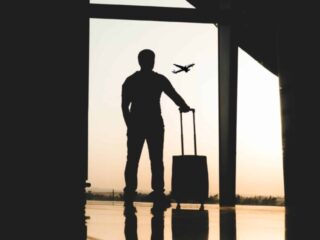
 Thanksgiving travel has a way of compressing an entire season’s worth of emotions into one very crowded airport terminal. There are bags to pack, weather delays to watch, family expectations to navigate and enough pie to make us wonder whether our usual routines ever existed. But holiday travel does not have to be an all-or-nothing choice between perfect wellness and complete chaos.
The goal is not to micromanage every meal or force a rigid workout into an already full day. It is to arrive feeling grounded enough to enjoy the people, places and traditions that made the trip worth taking. These healthy Thanksgiving travel tips will help you care for your body and mind while leaving plenty of room for celebration.
1. Begin the Trip Before You Leave Home
A calmer holiday journey starts with fewer last-minute decisions. Check the forecast, confirm transportation, download boarding passes and make a simple packing list at least a day ahead. If you are flying, verify your flight and airport conditions before leaving home; winter weather remains a common cause of delays.
Place medication, identification, chargers and one change of clothes in your carry-on.
Download your airline app and save important confirmation numbers offline.
Give yourself more time than usual. A small time cushion is one of the cheapest forms of stress relief.
2. Pack a Small Holiday Wellness Kit
Keep the essentials that help you feel human within easy reach. Your kit does not need to look like a mobile pharmacy. Think practical: a refillable water bottle, any regular medications, lip balm, hand sanitizer, tissues, a sleep mask, earplugs and a few satisfying snacks.
Keep prescription medication in your personal item rather than a checked bag.
Pack portable chargers in your carry-on and review current airline battery rules.
Bring comfort items you genuinely use, not an aspirational pile of wellness gear.
3. Bring Snacks That Actually Satisfy
Holiday terminals and highway exits tend to offer plenty of food but not always what your body wants. A balanced snack with protein, fiber and healthy fat can carry you through delays without making you ravenous at the first available cinnamon roll.
Try nuts with fruit, roasted edamame, a low-sugar protein bar, whole-grain crackers with nut butter or cut vegetables for a road trip.
Pack more than you think you need in case the journey takes longer than planned.
If flying with Thanksgiving dishes, remember the TSA rule of thumb: solid foods can generally travel in carry-on bags, while liquids and spreadable foods above 3.4 ounces belong in checked luggage.
4. Hydrate Without Making It Complicated
Cabin air, salty travel food, alcohol and hours of talking can leave you feeling depleted. Bring an empty bottle through airport security and fill it afterward. On a road trip, keep water visible and accessible instead of buried under luggage.
Sip consistently rather than chugging a huge amount at once.
Pair each alcoholic drink with water.
Herbal tea can turn a cold travel morning or late arrival into a calming ritual.
5. Move During Long Travel Days
Movement supports circulation, reduces stiffness and gives an overstimulated mind a reset. The CDC recommends standing or walking occasionally on long trips and moving your calf muscles while seated; drivers should schedule breaks to stretch and walk.
On a plane or train, choose an aisle seat when possible and walk periodically when it is safe.
At your seat, alternate heel raises, toe raises and gentle ankle circles.
On the road, turn fuel or restroom stops into five-minute movement breaks rather than immediately sitting again.
6. Protect Your Sleep—But Release Perfection
Late arrivals, unfamiliar beds and family schedules may disrupt your sleep. Support it where you can: keep caffeine earlier in the day, dim screens before bed and bring familiar sleep cues. Then release the idea that one imperfect night has ruined anything.
Pack an eye mask and earplugs.
Get daylight and gentle movement after arriving.
If crossing several time zones, shift toward the local schedule and avoid making major plans immediately after landing.
7. Use the Airport as a Place to Walk
Once you find your gate, you do not have to spend the next hour folded into a chair. Walk the concourse, explore the terminal or find a quieter area to stretch. Even ten minutes can help discharge travel tension and make a long flight more comfortable.
8. Create a Two-Minute Arrival Ritual
Before walking into a busy house, hotel or holiday event, pause. Take five slow breaths. Unclench your jaw. Drop your shoulders. Ask yourself, ‘How do I want to feel—and how do I want other people to feel around me?’ This tiny transition helps you enter intentionally rather than carrying the highway or airport straight into the room.
9. Do Not ‘Save Calories’ for Thanksgiving Dinner
Skipping meals all day in anticipation of a feast often backfires. You may arrive irritable, distracted and too hungry to notice what you actually enjoy. Eat a normal breakfast and a balanced light meal or snack earlier in the day.
Build breakfast around protein, fruit and fiber.
Choose foods you truly love at the holiday table rather than sampling everything out of obligation.
Remember: Thanksgiving is one meal, not a wellness emergency.
10. Make the Holiday Plate Feel Abundant
A mindful plate is not a sad collection of rules. Start with color and vegetables, add a satisfying protein, choose the traditional sides that matter most to you and absolutely leave room for dessert if you want it. Eat slowly enough to taste the meal and notice when you feel comfortably satisfied.
Survey the table before serving yourself.
Take a smaller first portion of rich dishes; seconds are always available.
Focus on pleasure, connection and gratitude instead of performing dietary perfection.
11. Keep One or Two Anchors from Home
Travel can disrupt every routine at once, so choose only the habits that make the biggest difference. Maybe it is your morning walk, daily berries, medication schedule, ten minutes of stretching or a consistent breakfast. A couple of anchors can make you feel steady without controlling the trip.
12. Set Loving Boundaries Before the Gathering
Mindful holiday travel includes emotional wellness. Decide in advance how you will handle personal questions, food commentary, political debates or an overloaded schedule. A boundary can be warm and simple: ‘I’m not getting into that today, but tell me how your trip was.’
Drive yourself or know your transportation options if you may want to leave early.
Protect a little quiet time each day.
You are allowed to decline a second event without writing a legal brief about it.
13. Practice Gratitude Without Forcing Positivity
Thanksgiving gratitude does not require pretending everything is perfect. You can appreciate a beautiful meal, a safe arrival or one genuinely good conversation while also acknowledging grief, stress or complicated family dynamics. Real mindfulness makes room for the full emotional landscape.
14. Build Flexibility Into the Return Trip
The Sunday after Thanksgiving can be as demanding as the trip out. Avoid packing your final day too tightly, check weather and flight status, keep snacks accessible and leave recovery space when you get home. Even one unpacking-and-laundry buffer can make Monday feel far less punishing.
15. Let the Holiday Be a Holiday
The healthiest holiday season is not the one you optimize flawlessly. It is the one you are present enough to remember. Eat the pie. Take the walk. Laugh loudly. Rest when you need to. Wellness is not a punishment for celebrating; it is the support system that helps you enjoy your life.
Healthy Thanksgiving Travel Tips for Flying
Check your flight and airport status before departure, especially when winter weather is possible.
Keep food easy to remove for screening. Solid foods are generally permitted in carry-ons, while gravy, cranberry sauce, jams and other pourable or spreadable foods must follow the liquids rule.
Refill your water bottle after security and walk the terminal before boarding.
Pack medication, valuables, chargers and basic toiletries in your personal item.
Use headphones, breathing exercises or a downloaded meditation to create calm in a noisy terminal.
Review the TSA travel checklist
Healthy Thanksgiving Road-Trip Tips
Start with a rested driver and rotate drivers when possible.
Schedule movement breaks instead of waiting until everyone is stiff and miserable.
Bring a small cooler with water, fruit, vegetables, dips and protein-rich snacks.
Download maps, music and podcasts before entering low-service areas.
Keep an emergency kit appropriate for winter conditions, including warm layers, a flashlight and phone power.
Never trade safety for a rigid arrival time.
A Five-Minute Mindfulness Reset for Holiday Travel
Name five things you can see.
Notice four things you can physically feel.
Listen for three distinct sounds.
Identify two scents.
Take one slow breath and choose your next kind, useful action.
This grounding exercise will not cancel a delayed flight or change a difficult relative. It can, however, bring your nervous system back to the moment so you respond rather than react.
Frequently Asked Questions
How can I stay healthy while traveling for Thanksgiving?
Focus on the basics: sleep when possible, hydrate, move during long travel days, pack satisfying snacks and eat regular meals. Choose a few supportive habits rather than trying to reproduce your entire home routine.
What Thanksgiving foods can I bring through airport security?
Solid foods can generally travel in carry-on bags. Foods that are liquid, gel-like, spreadable, pourable or larger than 3.4 ounces should usually go in checked luggage. Check the TSA’s current guidance for your exact item before leaving.
How can I reduce holiday travel stress?
Plan early, leave extra time, keep essentials accessible and focus on what you can control. A short breathing or grounding practice can help when delays or family dynamics feel overwhelming.
How often should I move on a long trip?
The CDC advises travelers to stand or walk occasionally and suggests walking around every two to three hours when possible, along with seated calf and leg exercises. People with additional blood-clot risk factors should ask a healthcare professional for personalized guidance.
Travel Well, Celebrate Fully
Healthy and mindful Thanksgiving travel is not about earning your dinner, avoiding every indulgence or floating serenely above the realities of holiday chaos. It is about caring for yourself in small, flexible ways so you can be present for what matters.
Prepare what you can. Pack the snacks. Take the walk. Set the boundary. Then release the rest and let yourself celebrate. The best souvenir from the holiday season is not a perfect routine—it is returning home with your energy, your sense of humor and a few memories worth keeping.