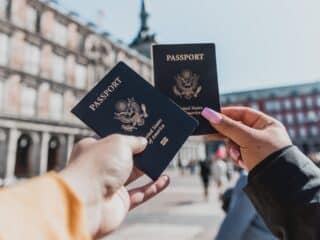
If you’re a veteran traveler, you’ve probably already picked up on a few tricks. But if it’s your first time going abroad for a long period of time, you might not expect some of the challenges you’re going to face to your health. The rigors and excitement of a new and exotic destination will expose you to a lot of strange new things – from the local sights to the steep walks it takes to get there from your hotel. But travel does more than just expose us to the exercise and inconvenience of foreign commutes, it also exposes us to new food, and new germs.
Here are a few of the tips I wish I’d heard when I started traveling:
Stay on top of repeat prescriptions
This is one of the most important health-related tasks to do before you leave home. You need to have all the medication you take in ample supply; especially if it’s unlikely to be found while you’re away. So, speak to your doctor about giving you a longer supply, but do this well in advance. If your doctor is reluctant to do this, you might need to register with a clinic or surgery in whatever country you’re visiting. If you’re going to more than one, you may need to get a little strategic about which stops you use for refills, depending on the ease of the processes involved. When you take out travel insurance, speak to your provider about this, and whether they’ll cover it, or if you’ll have to pay.
Take health-boosting supplements
Traveling is my favorite excuse to break a diet, so I’ve found it pretty helpful to take vitamin supplements to make sure I keep myself health, even if I take a tour of exotic meats and cheeses without seeing a vegetable for days. It’s important to remember that you’ll not only be exposing yourself to foreign versions of your otherwise common cold, you’ll probably be doing it to the tune of a plane full of fellow travelers, give or take the number of people you pass in the terminals, subways, and attractions. You need to keep yourself healthy to make sure you don’t come down with something during your first week abroad or, just as often, your first week back home. It’s also a good idea to take probiotic supplements, as they’ll keep your gut functioning well for the trip.
Ensure you’re getting enough sleep
It might sound obvious, but getting a good night’s sleep is vital for your health. However, this is easier said than done while you’re traveling. Whether you’re sharing a dorm room in a hostel with ten other people, camping in the wilderness, or crashing in a campervan, getting a decent amount of quality sleep is hard. So, invest in sleep-safe earplugs and an eye mask to help you nod off in any situation. If your budget can stretch to it, you could try booking nicer accommodation every now and again, so you can get an uninterrupted sleep. You should also give your body plenty of time to adjust when changing time zones: try to stay up while it’s light, and sleep when it’s dark – even if your body wants to do the opposite!
Stock up on hand sanitizer
Wet wipes and hand sanitizing gel will become your best friends – and for good reason. If you don’t have facilities to shower and clean yourself, then you can at least wipe yourself over, and ensure that your hands are germ-free. Your immune system will be a bit weak when you first start traveling, so until you’re back to being robust, don’t take any chances with stray germs.
The Healthy Voyager, aka Carolyn Scott-Hamilton, is the creator and host of The Healthy Voyager series, site, and overall brand. An award winning healthy, special diet and green living and travel expert, holistic nutritionist, plant based vegan chef, best-selling cookbook author, media spokesperson, sought after speaker, consultant and television personality, Carolyn Scott-Hamilton is a respected figure in the world of healthy lifestyle and travel as well as special diet cooking and nutrition. The Healthy Voyager aims to help people live well, one veggie at a time!
This website uses cookies to improve your experience. We'll assume you're ok with this, but you can opt-out if you wish.AcceptRead More
Privacy & Cookies Policy
Privacy Overview
This website uses cookies to improve your experience while you navigate through the website. Out of these, the cookies that are categorized as necessary are stored on your browser as they are essential for the working of basic functionalities of the website. We also use third-party cookies that help us analyze and understand how you use this website. These cookies will be stored in your browser only with your consent. You also have the option to opt-out of these cookies. But opting out of some of these cookies may affect your browsing experience.
Necessary cookies are absolutely essential for the website to function properly. This category only includes cookies that ensures basic functionalities and security features of the website. These cookies do not store any personal information.
Any cookies that may not be particularly necessary for the website to function and is used specifically to collect user personal data via analytics, ads, other embedded contents are termed as non-necessary cookies. It is mandatory to procure user consent prior to running these cookies on your website.

 If you’re a veteran traveler, you’ve probably already picked up on a few tricks. But if it’s your first time going abroad for a long period of time, you might not expect some of the challenges you’re going to face to your health. The rigors and excitement of a new and exotic destination will expose you to a lot of strange new things – from the local sights to the steep walks it takes to get there from your hotel. But travel does more than just expose us to the exercise and inconvenience of foreign commutes, it also exposes us to new food, and new germs.