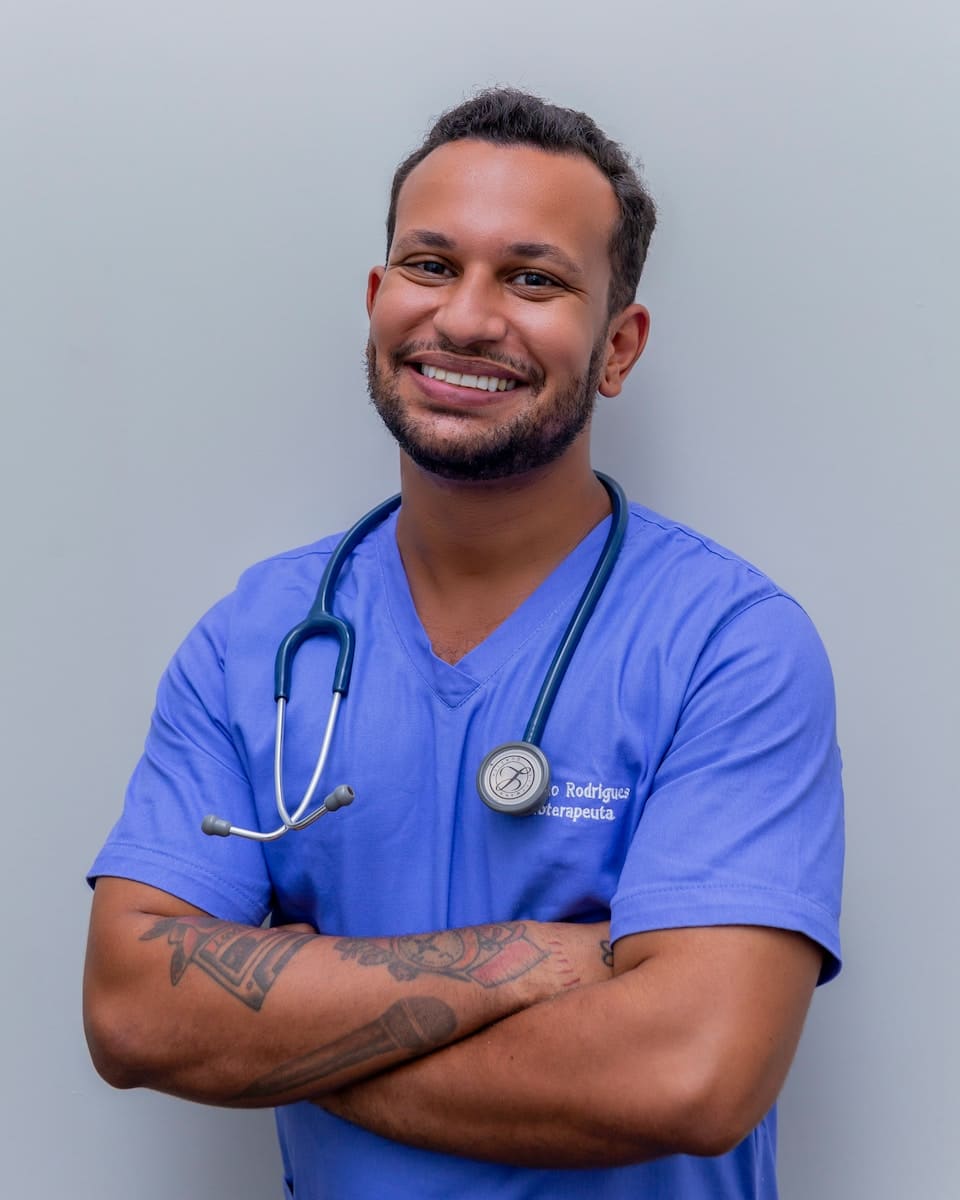
 The long mythologized “rich doctor” archetype has been floating around for as long as I can remember. I recall my grandmother advising me to become a nurse—not for my benefit or to benefit my career, but, in her words, she wanted me to meet a handsome, rich doctor. I always brushed her off and asked why I couldn’t be the rich doctor? (That was a pretty reliable way to shut down the conversation.)
But this cliché stuck with me. It is pretty common knowledge that if you want a steady, recession-proof career, you look to medicine. Whether you become a doctor, nurse, or hospital administrator, you are always going to have a job for as long as people keep getting sick. While caring for the ill and ailing is one of the most rewarding career trajectories you can take on, it comes with its own special brand of stressors and costs that you need to be conscientious of before taking the plunge into a new career in medicine.
It’s a Lifetime of Learning
To provide patients with top quality care, your education does not stop after you graduate. You must constantly be keeping tabs on research and development of new medicine and treatments. If you are a physician or nurse operating under a specialty field, you will have the added stressor of conducting research and putting out papers to keep yourself relevant within your field.
The Pay Is Great…
The field of medicine is wide open for the taking. The cliché goes that you want your kid to marry a rich doctor some day, but what about a rich nurse? Nurse practitioners and other nurses with specialties make, on average, $80,000 to six figures a year. If you are looking to become a doctor—a career already bound to make you six figures in most areas—consider taking on a specialty to boost your earnings potential even further.
…The Stress Isn’t
The stress that goes along with a career in medicine can not be overstated. The hours can be grueling, especially for students with residencies. You will often take on 24-hour shifts or be on call, in addition to your other studies. Other students will be competing with you for the best residency spots and internships. If you decide to take this route for a career, be sure to balance the rewards with the cost getting there.
Even after med school is finished, you will have to contend with the day-to-day stress that goes along with having the wellbeing of others as your responsibility. On top of your daily career, you must also keep abreast of all new technologies and advancements in the field to give your patients the best care available. Before undertaking any new career, be sure that you have a good diet and wellness plan with your own physician. Take care that it does not fall to the wayside when you are looking for ways to cope with your new, stressful career.
Debt
You’re going to be taking on a lot of debt in medical school, unless you have specifically chosen a medical school like Saint James School of Medicine with yearly tuition rates in the low thousands. You will definitely make back your investment with a good job, and there are plenty of them. There is a severe shortage of doctors and nurses in the United States, so you can always count on a job, but do NOT count on being able to take a couple years off immediately after your schooling stops.
There Aren’t Just Doctors and Nurses
There are so many specialties and different types of career tracks for those in the medical profession. If you do not think you can stand the sight of blood, consider a more administrative profession in the medical field. Pharmacists, physician assistants, and anesthesiologists all make great money. If you are not ready to take the plunge with medical school or nursing school, try a tangential job in the field of medicine to discern whether it’s a good fit. There are also many opportunities in the field of engineering and biomedical engineering that do not involve patient interaction. The possibilities are endless, if you put in some elbow grease and hard work!
So there you have it. These were just a few of the considerations you ought to make when considering a career shift into the field of medicine, no matter the job, but there are likely many more that will present themselves only after you pull the trigger. Prepare yourself for the unexpected and keep an open mind.