
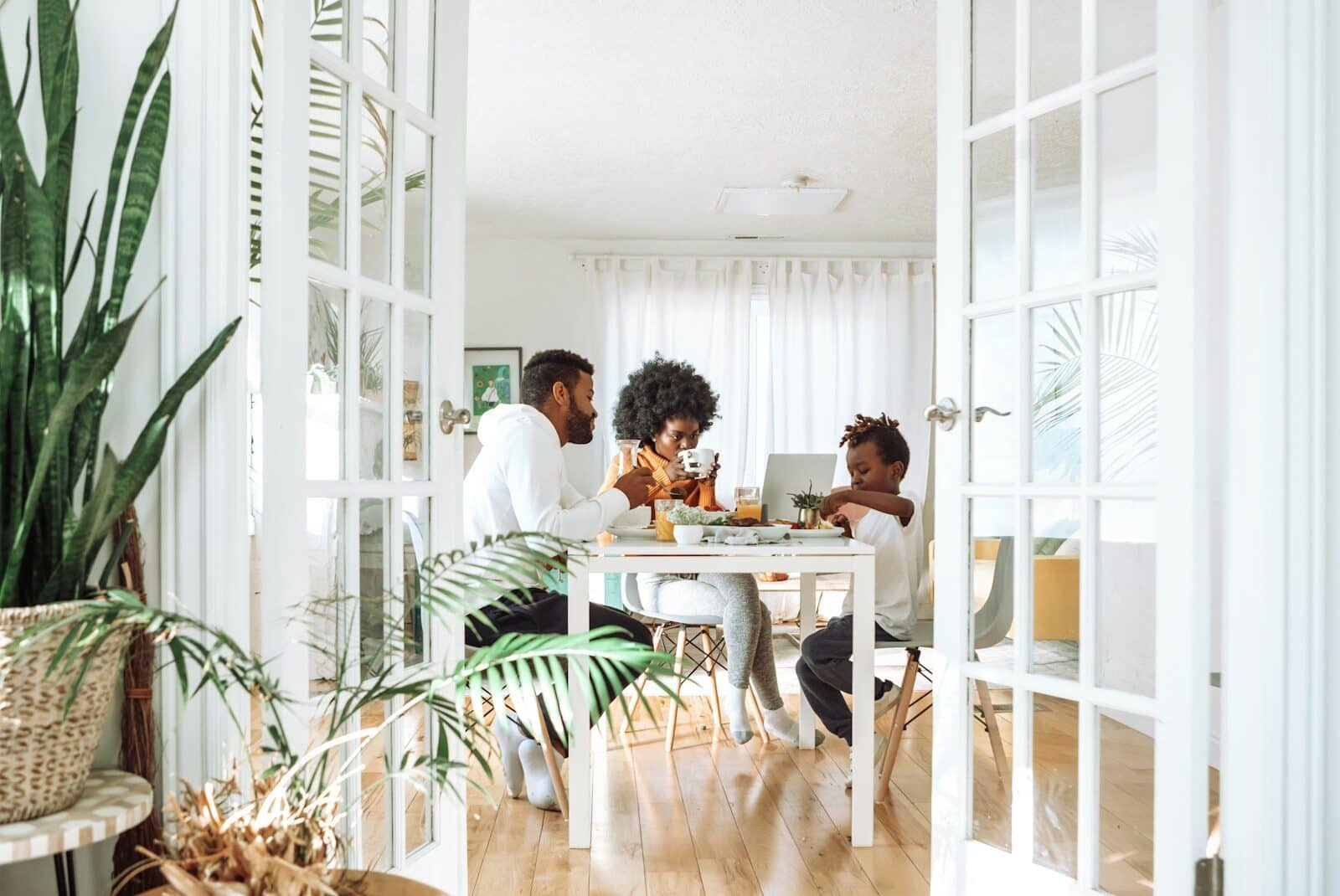
 Cooking for a household often falls to one person, especially when work schedules and other responsibilities leave little time for meal preparation. Although this can be efficient in the short term, it can also make dinner feel like another job that someone has to complete every day. Inviting other family members into the kitchen can change that routine while creating opportunities to learn, share responsibilities, and spend time together.
Cooking as a family does not require advanced skills or complicated recipes. Even a simple meal can become a shared activity when everyone has a role.
Start With Meals That Allow Everyone to Participate
The best first recipes are usually straightforward and flexible. Homemade pizzas, tacos, sandwiches, pasta, and grain bowls offer several tasks that can be divided among family members.
One person can wash vegetables, another can measure ingredients, and someone else can prepare the table. Younger children can help with simple tasks appropriate for their age, while older children and adults can take responsibility for more involved steps.
Choosing a meal with separate components can be especially helpful because people can contribute without needing to work on the same task at once. It also allows everyone to adjust their portion according to personal preferences.
Let Children Explore Food at Their Own Pace
Children may be more willing to try unfamiliar foods when they have helped prepare them. Washing vegetables, stirring ingredients, or choosing between two side dishes gives them a chance to become familiar with food before it reaches the table.
That does not mean every child will suddenly enjoy every ingredient. Tastes change gradually, and pressure can make mealtimes more difficult. Offering small opportunities to participate is often more useful than insisting that children finish something they do not like.
Parents can also talk about how ingredients change during cooking. Vegetables soften, bread browns, and sauces develop flavor as they simmer. These everyday observations can make the kitchen an informal place to learn.
Share Responsibility Instead of Adding More Work
Cooking together works best when it genuinely distributes the workload. If one person still has to plan the meal, supervise every task, and clean the entire kitchen afterward, the arrangement may not provide much relief.
A simple division of responsibilities can help. Family members might rotate who chooses the meal, who prepares ingredients, and who handles cleanup. The arrangement does not need to be perfectly equal every night, but everyone should understand how they can contribute.
It is also worth accepting that shared cooking may be slower at first. Teaching a child how to prepare a dish takes time, and a beginner may make mistakes. Treating those moments as part of learning makes the process less frustrating.
Use Restaurant Meals as Inspiration
Eating out can introduce families to new flavors, ingredients, and ways of preparing familiar foods. A meal at one of the best restaurant options for an outing might inspire a family to recreate a favorite dish at home or experiment with a new combination.
The home version does not have to match a restaurant recipe exactly. Families can adapt ingredients to their preferences, use what is already in the pantry, or simplify a dish to make it easier to prepare on a busy evening.
Restaurant meals can also provide a useful contrast to home cooking. There is value in enjoying food someone else has prepared, especially when everyone needs a break. The goal is to create a routine that includes both shared cooking and occasional meals out, not to turn every dinner into a project.
Make the Table a Place to Reconnect
Preparing food together is only part of the experience. Sitting down to eat gives family members time to talk about their day, share stories, or simply enjoy being in the same room without rushing between activities.
Conversation does not need to be forced. Some families enjoy discussing what went well during the day, while others prefer a relaxed meal with no planned questions. The important thing is creating an environment where everyone can participate comfortably.
For busy households, even one shared meal a week can provide a useful starting point. Consistency matters more than making the occasion elaborate.
Build Skills That Last Beyond Dinner
Cooking together teaches practical skills that children can use as they grow older. Measuring ingredients, following instructions, handling food safely, and cleaning as they go all contribute to greater independence.
Adults can benefit as well. Sharing recipes and techniques allows family members to learn from one another and discover new ways to prepare familiar ingredients.
Over time, the kitchen can become a place where responsibilities are shared rather than assigned to one person. Meals may take a little coordination, but the experience can make everyday food preparation more enjoyable and help everyone feel invested in what is served.







1 comment
I love this perspective! Cooking together is such a simple way to bring families closer while encouraging healthier eating habits. Getting everyone involved in preparing meals can also make trying new ingredients and recipes more fun, especially for kids. Great reminder that healthy eating is about more than just what’s on the plate!