A leaking basement can quickly turn from a minor inconvenience into a major home repair issue. Damp walls, musty odors, and standing water not only damage belongings but can also threaten your home’s structural integrity. If you’ve noticed signs of moisture below ground level, you’re not alone. Basement leaks are surprisingly common across the United States. Understanding the root causes is the first step toward fixing the problem for good. Here are three common reasons your basement leaks—and what you can do about each one.
1. Minor Foundation Cracks That Let Water In
Even small foundation cracks can create big problems. Concrete naturally expands and contracts with temperature changes, and over time, that movement can lead to hairline fractures in basement walls. While these cracks may seem insignificant, they can allow water to seep through during heavy rainfall or snowmelt.
According to Bob Vila, a tiny crack in a basement wall can permit as much as 1 or 2 inches of water to enter during a rainy season. That’s more than enough to cause soaked carpets, damaged drywall, and mold growth.
To address this issue, start by inspecting your basement walls for visible cracks or damp spots. Small cracks can often be repaired with epoxy or polyurethane injection kits designed to seal gaps from the inside. For larger structural cracks, it’s best to consult a professional who can assess whether exterior waterproofing or structural reinforcement is necessary.
Preventative measures also help. Ensure gutters and downspouts direct water away from your foundation, and check that the soil around your home slopes away rather than toward the walls. Reducing water pressure against the foundation lowers the chance of leaks developing in the first place.
2. Widespread Moisture Issues in U.S. Basements
Basement moisture isn’t a rare occurrence—it’s a widespread challenge. Research highlighted by This Old House shows that about 40% of homes in the United States have a basement. Of those homes, roughly 60% experience moisture-related problems. That means more than half of basement owners are dealing with dampness at some level.
Moisture can enter in several ways beyond visible cracks. Porous concrete walls can absorb groundwater, hydrostatic pressure can push water through tiny openings, and condensation can form when warm indoor air meets cool basement surfaces. Over time, even moderate humidity can lead to mold, mildew, and wood rot.
The solution often requires a multi-step approach. Installing a dehumidifier can help manage indoor moisture levels. Sealing basement walls with waterproof coatings adds another protective layer. In more severe cases, interior drainage systems or sump pumps may be necessary to redirect groundwater away from the foundation.
Monitoring humidity levels is key. Ideally, basement humidity should remain below 60% to discourage mold growth. Addressing moisture early prevents cosmetic issues from escalating into structural damage.
3. The High Risk of Water Damage Nationwide
Basement leaks are not isolated incidents—they’re part of a much larger trend. According to Krapf Legal, 98% of basements in the U.S. experience some form of water damage over time. That staggering figure underscores just how vulnerable below-grade spaces are to moisture intrusion.
Water damage doesn’t always mean flooding. It can include minor seepage, staining, efflorescence (white mineral deposits), or gradual deterioration of building materials. However, left unaddressed, these small issues can compound into serious structural concerns.
To protect your home, regular inspections are essential. Check for signs of dampness after heavy rainstorms. Test sump pumps annually if you have one installed. Keep foundation vents clear and ensure landscaping doesn’t trap water near the home.
If you notice recurring leaks, professional waterproofing may be the most effective long-term solution. Exterior waterproof membranes, foundation drainage systems, and proper grading can dramatically reduce the risk of ongoing damage.
The good news is that early detection and proactive maintenance make a significant difference. By sealing cracks, improving drainage, and managing humidity, you can protect your basement—and your entire home—from costly water damage for years to come.
The Healthy Voyager, aka Carolyn Scott-Hamilton, is the creator and host of The Healthy Voyager series, site, and overall brand. An award winning healthy, special diet and green living and travel expert, holistic nutritionist, plant based vegan chef, best-selling cookbook author, media spokesperson, sought after speaker, consultant and television personality, Carolyn Scott-Hamilton is a respected figure in the world of healthy lifestyle and travel as well as special diet cooking and nutrition. The Healthy Voyager aims to help people live well, one veggie at a time!
This website uses cookies to improve your experience. We'll assume you're ok with this, but you can opt-out if you wish.AcceptRead More
Privacy & Cookies Policy
Privacy Overview
This website uses cookies to improve your experience while you navigate through the website. Out of these, the cookies that are categorized as necessary are stored on your browser as they are essential for the working of basic functionalities of the website. We also use third-party cookies that help us analyze and understand how you use this website. These cookies will be stored in your browser only with your consent. You also have the option to opt-out of these cookies. But opting out of some of these cookies may affect your browsing experience.
Necessary cookies are absolutely essential for the website to function properly. This category only includes cookies that ensures basic functionalities and security features of the website. These cookies do not store any personal information.
Any cookies that may not be particularly necessary for the website to function and is used specifically to collect user personal data via analytics, ads, other embedded contents are termed as non-necessary cookies. It is mandatory to procure user consent prior to running these cookies on your website.

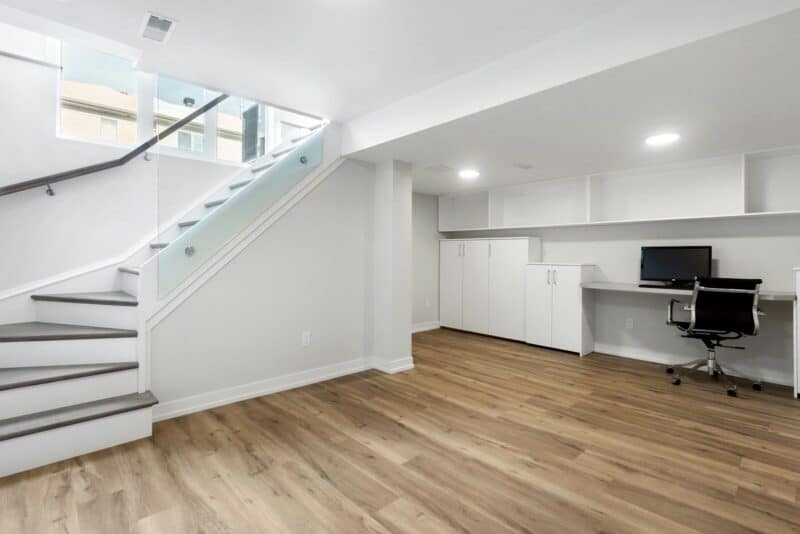 A leaking basement can quickly turn from a minor inconvenience into a major home repair issue. Damp walls, musty odors, and standing water not only damage belongings but can also threaten your home’s structural integrity. If you’ve noticed signs of moisture below ground level, you’re not alone. Basement leaks are surprisingly common across the United States. Understanding the root causes is the first step toward fixing the problem for good. Here are three common reasons your basement leaks—and what you can do about each one.