
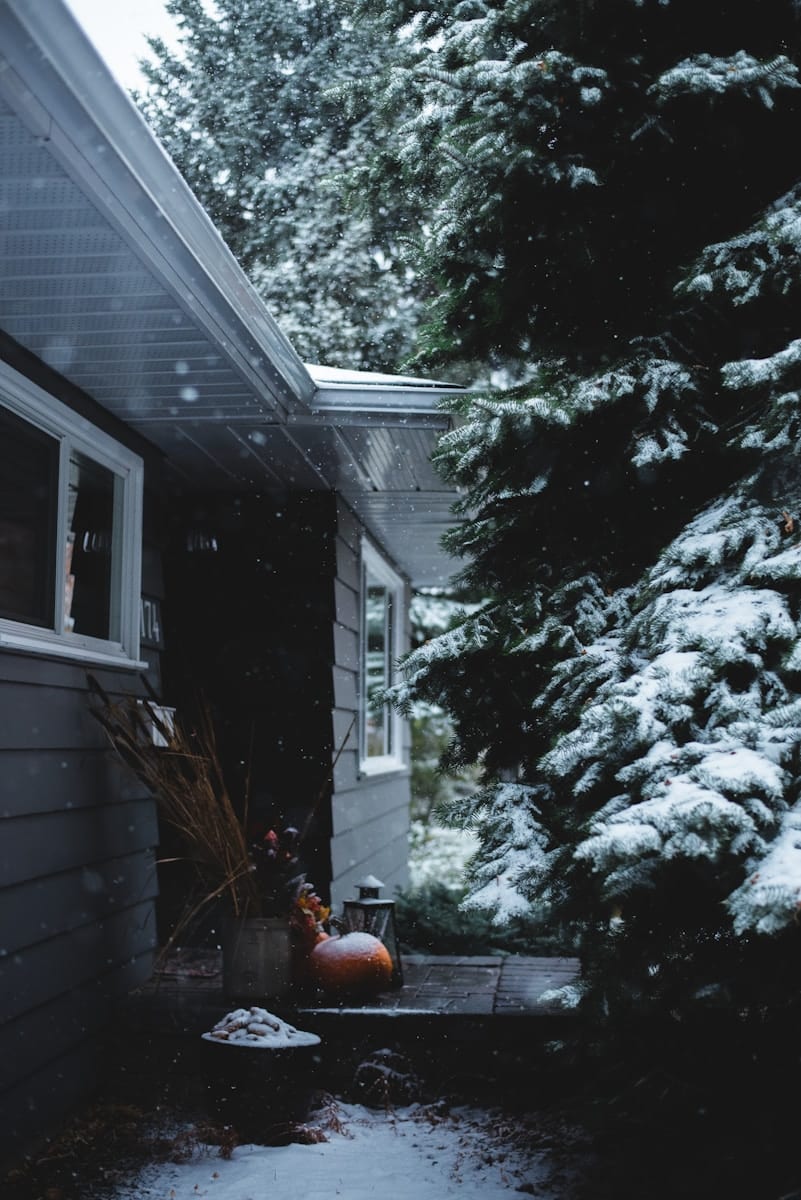
 As the days grow shorter and temperatures begin to drop, preparing your home for winter becomes essential. A well-prepared home not only ensures your comfort during the colder months but also saves you money on energy bills and maintenance costs in the long run. By taking simple yet effective steps, you can weatherproof your living space and enjoy a cozy winter season.
1. Seal Drafts Around Windows and Doors
One of the easiest ways to enhance your home’s energy efficiency is by sealing drafts around windows and doors. Unsealed gaps can let in cold air, making your heating system work overtime. This is particularly important as heat gain and heat loss through windows are responsible for 25%–30% of residential heating and cooling energy use.
To begin sealing these drafts, inspect frames and sills for any gaps or cracks. Weather stripping is a fantastic solution for doors, while caulking can be applied effectively around window frames. By investing a little time in this simple DIY project, you can significantly reduce your winter heating costs and increase comfort levels inside your home.
In addition to sealing drafts, consider adding thermal curtains for extra insulation during the cold nights. These curtains help retain heat inside your home, providing an additional layer of comfort. Making your home draft-free will allow you to enjoy a warm haven despite the cold temperatures outside.
2. Service Your Heating System Before Temperatures Drop
Before the chilly days of winter arrive, it’s crucial to service your heating system. Regular maintenance ensures that your heating unit is functioning efficiently and safely throughout the winter season. According to Jobber, spending on HVAC repair and maintenance is expected to exceed $10 billion in 2025, highlighting the importance of proactive care.
A professional inspection can help identify potential issues before they turn into costly repairs. Cleaning filters, checking for leaks, and ensuring all components are working properly can dramatically improve system performance. Not only will this save you money, but it will also guarantee that your home remains warm and cozy all winter long.
Involving your HVAC technician in this process can be beneficial, as they can provide valuable insights on how to further improve your system’s efficiency. Quick fixes or adjustments can prevent future breakdowns and enhance air quality in your home. Investing a little time and money upfront can result in greater savings and comfort when the temperature outside drops dramatically.
3. Clean Gutters and Inspect the Roof for Winter Safety
Cleaning your gutters and inspecting your roof are critical steps in preparing your home for winter. Clogged gutters can lead to ice dams, damaging both your roof and foundation. According to Bob Vila, most ordinary gutters last about 10 to 15 years, so ensuring they are clean can extend their lifespan and functionality.
Begin your roof inspection by checking for missing or damaged shingles that may allow cold air and moisture to enter your home. Additionally, ensure that your gutters are free of debris like leaves, twigs, and dirt. By addressing these issues, you not only prevent leaks but also safeguard your home from potential structural damage during winter storms.
When gutters and roofs are maintained correctly, they can help divert melting snow and rain away from your home. This action can prevent flooding and protect the integrity of your property. Regular maintenance efforts will go a long way in making your home a comfortable and safe environment throughout the winter season.
In conclusion, taking proactive steps to prepare your home for winter weather is essential for comfort and energy efficiency. Sealing drafts around windows and doors, servicing your heating system, and cleaning gutters are three simple yet effective strategies. By investing a bit of time and effort, you can ensure that your home remains a warm sanctuary, ready to face the winter ahead.





1 comment
Good tips in here. I’d also add: if you have a forced-air system, make sure the vents are actually clean. I’m not talking about duct cleaning — just the vent covers themselves. I vacuumed mine one winter and the airflow difference was kind of embarrassing. Way cheaper than bumping the thermostat.