 Northern Greece is a landscape of mountains, forests, and valleys dotted with hot springs that have been used since ancient times. The combination of mineral water, open nature, and small local communities makes it one of the country’s most overlooked wellness regions. The experience here is not about luxury spas or curated retreats — it’s about bathing where locals have gone for centuries, surrounded by simple facilities and raw scenery.
The two main spring areas — Loutra Pozar in Macedonia and Loutra Edipsou on the island of Evia — offer very different settings but share the same unhurried atmosphere.
Loutra Pozar — Baths in the Forest
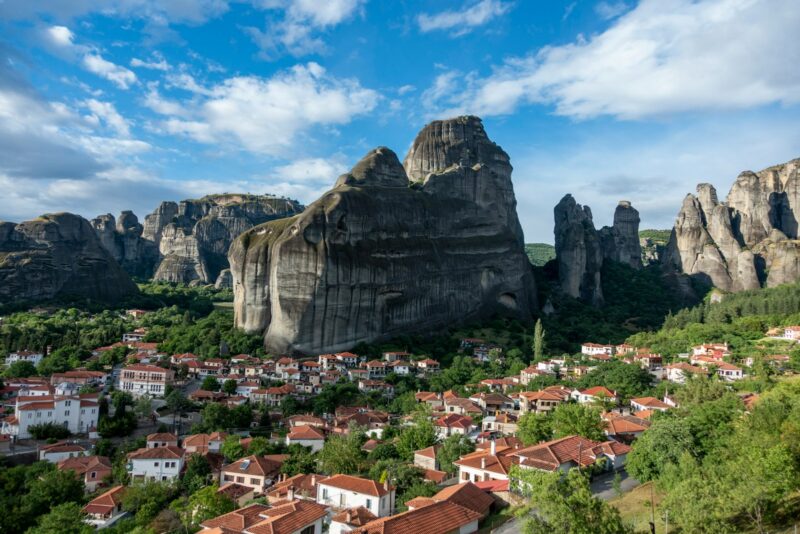
Loutra Pozar sits near the village of Loutraki, about two hours northwest of Thessaloniki. The road there follows the Almopia Valley before entering the green slopes of Mount Kaimaktsalan, one of Greece’s highest peaks.
The springs are located along a small river gorge, where steam rises through the trees and stone pools collect the mineral water. Some baths are natural, carved into the rock, while others have been developed into public pools with changing rooms and showers. The temperature stays steady at around 37°C, warm enough for winter bathing but still refreshing in summer.
Early morning is the best time to visit. The steam hangs low, the air smells of pine, and you can hear the sound of the nearby waterfall blending with quiet conversation from the pools. Most visitors are Greek, often families or older couples who return every year for the health benefits.
The surrounding area has short walking trails that lead to viewpoints above the gorge. Cafés and small guesthouses cluster around the entrance, and the nearby village of Aridaia has good local restaurants. The region is known for its wild mushrooms, smoked meats, and mountain honey — all part of northern Greece’s distinct culinary identity.
Edipsos — Ancient Baths by the Sea
While Loutra Pozar feels enclosed by forest, Edipsos has the opposite energy. The town sits on the northern coast of Evia, looking out to the Aegean Sea. Hot water flows directly from the cliffs into the sea, creating natural pools where warm and cool currents mix.
Edipsos has been known for its springs since classical times. According to legend, Hercules bathed here to recover after his labors. Roman generals and emperors later built elaborate bathhouses; their ruins can still be seen near the modern waterfront.
The current town has both municipal pools and open public areas where anyone can soak for free. At the western edge, the old stone baths lead directly into the sea — locals wade in with buckets or sit on the rocks as warm water trickles over them. In the evening, the light turns golden and the air smells faintly of sulfur and salt.
While some of the large spa hotels have aged since their 1960s heyday, new boutique guesthouses have opened in restored neoclassical buildings. Many offer access to private mineral baths or arrange massages using the local thermal mud.
Between the Springs — Countryside and Villages
Traveling between these two areas reveals much of northern Greece’s variety. The roads pass vineyards, orchards, and small mountain towns where time moves slowly. In spring and autumn, cyclists and hikers often use these routes as part of longer journeys through Macedonia and Thessaly.
A few bike tours in Greece now include stops at Loutra Pozar or Edipsos, combining easy rides with rest days at the springs. The idea is simple: use the natural hot water as recovery after long rides. It’s a quiet, authentic way to see the countryside — with few crowds and plenty of small, family-run places to stay.
Local Traditions and Practical Tips
The spring culture in Greece is practical, not performative. Locals bathe for health, not for luxury, and the facilities often reflect that — plain, functional, and clean. Entry fees are modest, usually just a few euros. Bring your own towel, swimsuit, and water shoes if you plan to move between the natural and built pools.
Temperatures can vary depending on the source. In Pozar, the water is a steady warm soak; in Edipsos, it ranges from comfortably hot near the outlets to cool where it mixes with seawater. Most people alternate between hot and cold dips to relax muscles and improve circulation — a routine that hasn’t changed since Roman times.
Nearby, you’ll find small markets selling local olive oil, handmade soap, and honey. Many of these products use thermal water or herbs from the surrounding hills.
A Slow-Growing Trend
While southern Greece draws most of the attention with its islands and beaches, the north is gradually gaining recognition for wellness tourism. Visitors who prefer nature and authenticity over resorts find what they’re looking for here: simple comforts and clean air.
Unlike commercial spa towns elsewhere in Europe, these thermal areas haven’t been overdeveloped. The infrastructure remains modest, and the focus stays on the water itself — its warmth, its minerals, and its ability to make you pause.
Even the journey to reach these places feels restorative. Whether you arrive by car, train, or bike, the landscapes open up in a way that slows your pace. The springs aren’t just destinations — they’re small reminders of how connected daily life in Greece still is to its natural elements.
Why Northern Greece Stands Out
There’s no rush here, no pressure to follow a schedule. Visitors come to sit quietly in the water, breathe the cool mountain air, and listen to the sound of streams mixing with the thermal flow. It’s one of the few experiences in modern travel that feels completely local and unchanged.
Whether you stay for a few hours or a few days, the effect is the same — the sense that Greece’s oldest form of relaxation still works exactly as intended.