 If you’re reading this, you’ve probably heard gardeners, landscapers, or homeowners talk about the benefits of mulching. This gardening technique involves spreading a layer of material over the surface of the soil to gain numerous benefits. At Southern Star Tree Service, we offer a comprehensive range of tree services, including emergency tree removal, tree trimming, stormwater and retention pond management, and many more. If you’re looking for a professional tree service in Decatur, give us a call. Today, we’ll share essential information about mulch.
What is Mulch?
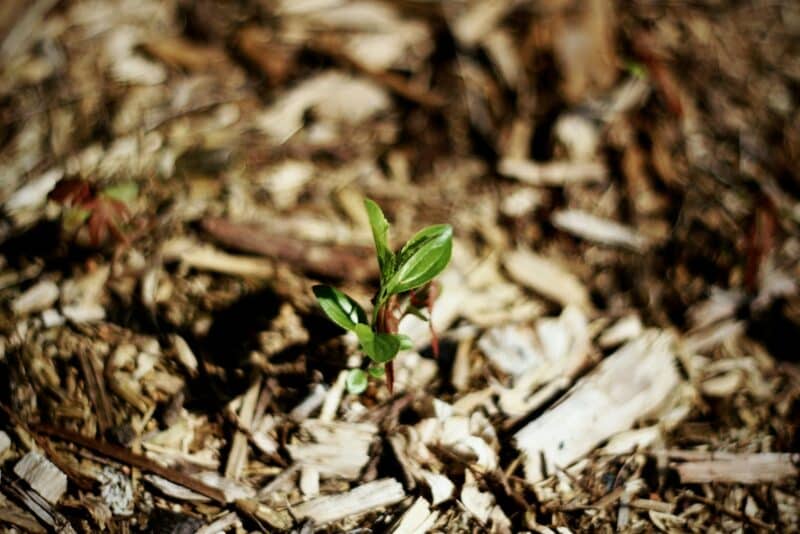
Mulch is a layer of material, typically organic, that is applied to the surface of the soil around plants. The following are the key benefits of mulch:
- Weed suppression
A thick layer of mulch inhibits weed seed germination and growth. Therefore, it effectively reduces the need for weeding and herbicides.
- Soil temperature regulation
Mulch insulates the soil, keeping it cooler in the summer and warmer in the winter. With mulch, you won’t have to worry about extreme temperature fluctuations.
- Moisture retention
Mulch helps to retain moisture in the soil. By providing soil cover, it reduces evaporation and keeps plants hydrated. Mulch comes in handy, especially during hot and dry periods.
- Soil improvement
As organic mulch decomposes, it adds nutrients and organic matter to the soil. Mulching is an effective way to improve soil fertility.
- Erosion control
Mulch helps to prevent soil erosion from wind and rain, especially on slopes. If you live in an area with heavy rainfall or strong winds, mulch can help you protect the soil.
The Different Types of Mulch
There are two main types of mulch:
- Organic mulch: This type of mulch is made from natural materials such as leaves, wood chips, bark, compost, or straw. It is preferred over inorganic mulch as it offers the most benefits for soil health and fertility. Organic mulch offers more holistic benefits for soil health and plant health.
- Inorganic mulch: As the name suggests, this type of mulch is made from synthetic materials such as plastic sheeting, landscape fabric, or gravel. It is less popular than organic mulch but can be a good option in some cases, such as around walkways or in areas with heavy foot traffic. Inorganic mulch does not decompose and does not add nutrients to the soil.
Mulching Dos and Don’ts
Dos
- Aim for a 2-3 inch layer of mulch around your plants—leave a few inches of space around the stem to prevent root rot.
- Replenish mulch every year or two to maintain the desired thickness.
- Choose organic mulch like shredded leaves, wood chips, or compost. Organic materials are known to offer more benefits for soil health.
- Adjust mulch depth based on the climate and specific plant needs.
Don’ts
- Don’t mulch too early, as it could trap cold and delay soil warming.
- Don’t mulch directly against the stems.
- Don’t use treated wood chips.
- Don’t over-mulch, as it impedes air circulation and moisture reaching the soil.
Professional Tree Services
Looking for a trusted tree service in Decatur? Reach out to Southern Star Tree Service. We are a professional tree service with over 40 years of industry experience. Whether you’re in need of tree removal services or stormwater management on your property, let the experts at Southern Star Tree Service help you.