
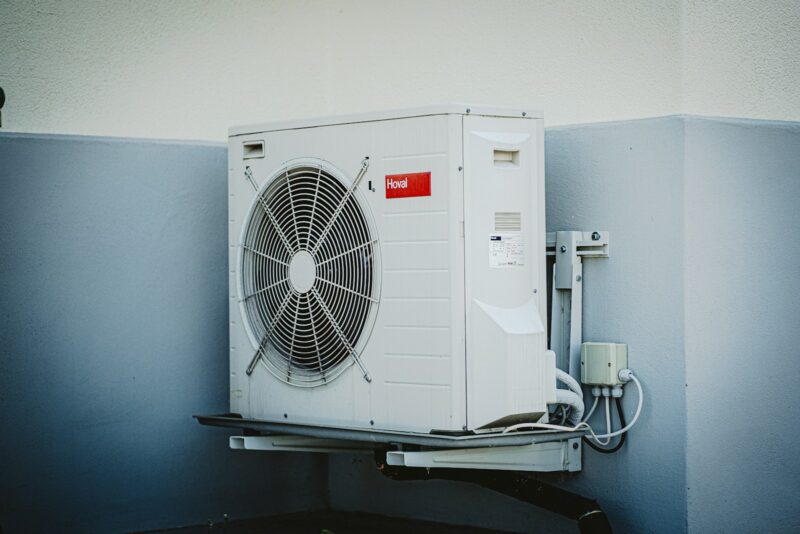
 It can be especially frustrating in the heat of summer to not be able to cool your home despite having your air conditioner set and running. While you may think it is caused by extreme outside temperatures, it is likely due to issues related to the HVAC system itself. If you cannot successfully achieve the desired climate in your home when the air conditioning is on, there are some common causes to consider.
Unmaintained HVAC System
Regular maintenance of your HVAC system is the best way to protect your comfort all year long. Preventative maintenance includes cleaning dirty coils, changing dusty air filters, adding more refrigerant, and clearing debris from outdoor units. If your HVAC system hasn’t been regularly serviced, a maintenance visit may be needed to identify potential problems and address them before larger issues arise.
Running AC When Away From Home
Setting your thermostat to a higher temperature when you are away from home can help you save money. When your HVAC system is turned off during the day, it must work harder to achieve desired temperatures when you arrive home. During extreme temperatures, it is wise to keep the air conditioner running, as the consistent operation helps your system maintain coolness and prevents it from working too hard to cool down during stifling heat.
Leaky Ducts
Air duct leaks can cause homeowners to lose nearly a third of their HVAC efficiency. Not only will your unit work harder to get to your desired temperature, but less cool air will arrive in your home as it may get lost in the leaks.
Insufficient Attic Insulation or Ventilation
Temperatures in your attic can be 30 to 40 degrees hotter than the outdoor temperature. This means if it’s 85 degrees outside, your attic could be as high as 125 degrees. If you do not have good insulation, that hot air can find its way into your home. Keep attics well-insulated and make sure there is a way for trapped hot air to escape, such as a window or a fan.
Allowing Too Much Sunlight In
On particularly hot days, help keep your HVAC unit from working too hard by drawing curtains and blinds in sun-facing rooms. If it feels like you are living in the dark, consider solar shade screens or solar-blocking windows, which allow you to have open views but can reduce solar heat by as much as 90 percent.
Possible HVAC Upgrade Needed
While many systems that are not expelling enough cold air may be fixed with a simple repair, sometimes it may be a bigger problem. A broken compressor or fan motor may be the culprit, which requires replacement. If your system still cannot keep up with the soaring temperatures even after replacing components, it may be time for a new unit, as your system may be an incompatible size or too old for your needs.
Speak to your HVAC professional to determine the right HVAC system size for your home and to learn about more energy-efficient and money-saving models. Consider new technology like ductless systems that can cool individual rooms, allowing you to split up your air conditioning to use it where you need it most and to keep your family comfortable during any season.




4 comments
Thank you for explaining why air conditioners may lose their efficiency. I only want to add that sometimes it might be difficult to determine that your AC needs to be fixed. In this article, you can read about some signs of it: https://www.edelmaninc.com/4-tips-to-save-money-on-air-conditioning/.
Yes, it’s important to change air filters on a regular basis. The good news is that changing a filter is pretty easy and takes only 5-10 minutes. However, if you have never done this, you can hire an HVAC contractor for the first time to show you how to do it correctly.
When upgrading your HVAC system, look into appliances with a high SEER rating and ENERGY STAR labeling — these ones are more energy-efficient.
Also, please remember to check the new HVAC regulations 2023. These changes are legally effective from January 1 this year.
Thank you for mentioning how important good insulation is. Many homeowners invest in highly-efficient air conditioning systems to keep comfortable temperatures in a home during hot summer days. However, the effectiveness and efficiency of these systems may be highly compromised without proper insulation — about 20% of conditioned air that moves through a home is lost because of poor insulation and air leaks.